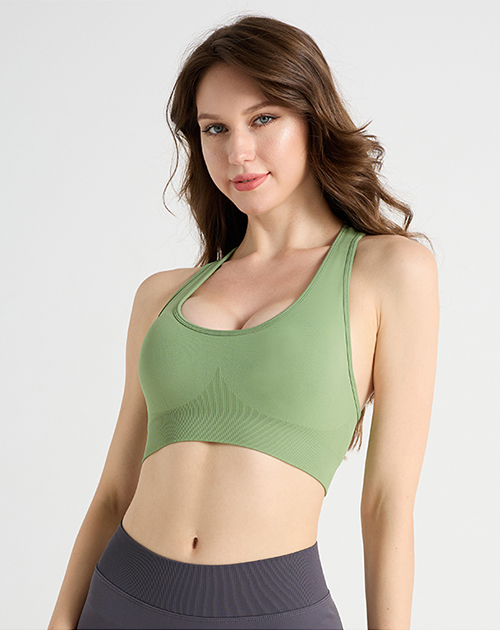
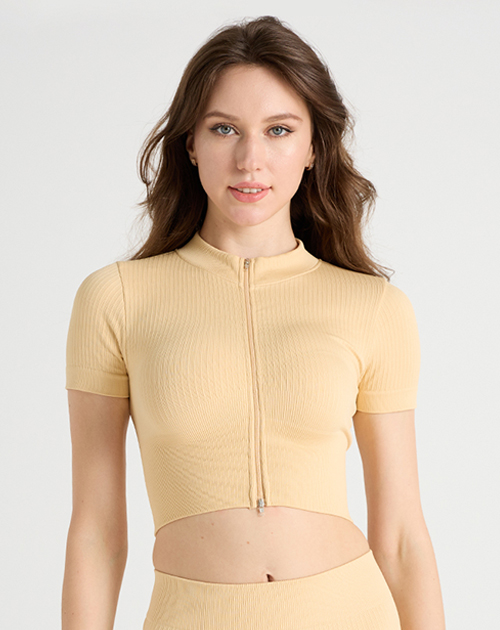
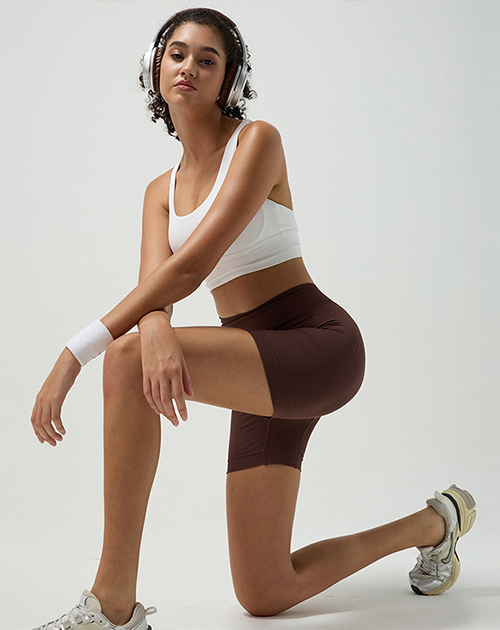
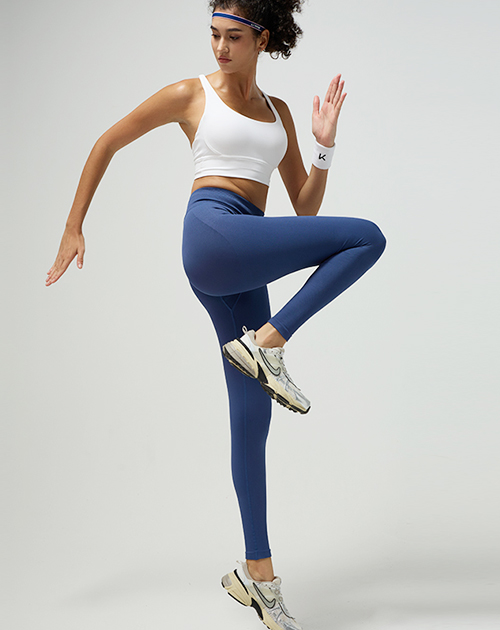
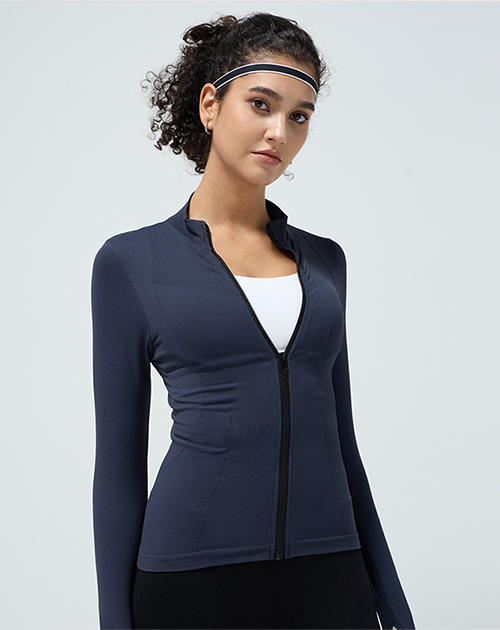
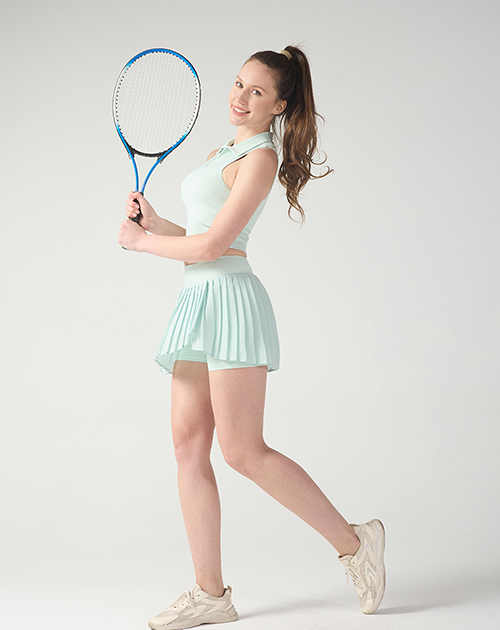
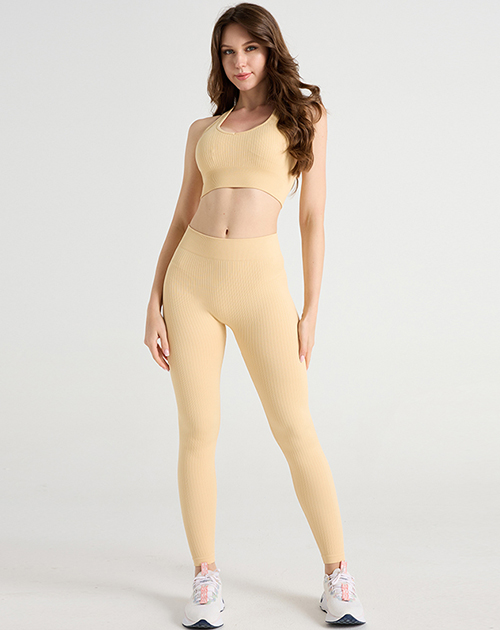
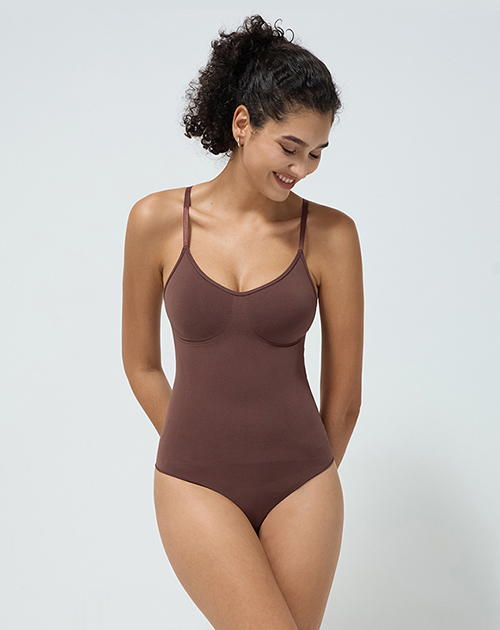
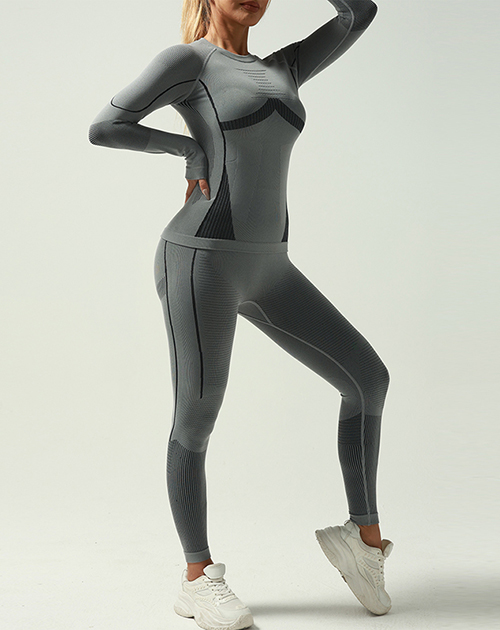
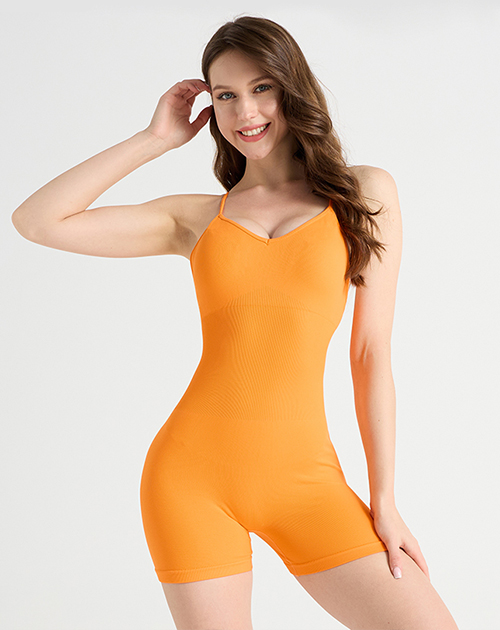
In recent lifestyle patterns, movement is no longer limited to structured exercise time, since walking, stretching, and low intensity activity have become part of ordinary daily rhythm, and clothing that supports body comfort during such movement slowly turns into something used beyond training moments alone.
A Fitness Body Shaper in this context is often treated less like special equipment and more like an extension of daily wear, especially when routines involve frequent transitions between sitting, standing, light walking, or simple home activity, where body support feels more related to comfort continuity than to structured performance.
The interest in shaping wear during light training comes from how movement spreads across the entire day, rather than being concentrated in a single session, and over time the need for steady physical support blends into ordinary clothing choices without drawing attention to itself.
During light activity, the body does not move in sharp or forceful patterns, instead motion tends to stay smooth, repetitive, and slow, which creates a different requirement for clothing support, where flexibility and gentle structure become more relevant than rigid compression.
A Fitness Body Shaper interacts with this type of movement through fabric tension that adjusts gradually with motion, allowing the garment to stay close to the body without restricting natural rhythm, especially during walking or stretching where shape changes are subtle but continuous.
Instead of holding the body in a fixed position, the fabric response tends to follow movement direction, creating a balanced feeling between support and freedom that aligns with low intensity training habits.
Key movement interactions often include:
Material behavior plays a central role in how a Fitness Body Shaper feels during long wear periods, since daily shaping use often extends beyond short training moments and becomes part of routine activity that lasts through different parts of the day.
Fabric elasticity determines how the garment reacts when the body moves, while recovery behavior influences how it returns to its original form after stretching, and both factors together shape how consistent the wearing experience feels over time.
Breathability becomes noticeable during continuous wear, especially when movement is not intense but lasts for long periods, and surface interaction with skin affects how comfortable the garment feels during repeated daily use.
| Material Behavior | Daily Wearing Effect | User Experience Pattern |
|---|---|---|
| High elasticity with steady recovery | Smooth movement adaptation | Consistent comfort during daily activity |
| Moderate breathability | Balanced airflow during wear | Stable comfort across routine cycles |
| Soft surface structure | Gentle skin contact | Suitable for long wearing duration |
| Uneven fabric response | Irregular movement feel | Less stable daily experience |
Comfort in daily shaping wear is not only related to softness or fit, it is more connected to how the garment behaves during long hours of movement variation, where body position changes between sitting, standing, and light activity without clear separation between them.
A Fitness Body Shaper designed for daily use tends to distribute pressure across wider areas of the body rather than concentrating it in one point, which helps reduce fatigue sensation during extended wear cycles and supports a more natural feeling during routine movement.
When comfort remains stable, the garment becomes easier to integrate into daily life, since attention is not drawn to adjustment or discomfort, and movement continues without interruption across different environments such as home, outdoor walking, or light exercise.
Comfort-related factors often observed:
Light training does not usually involve high force or rapid movement, instead it relies on repetition, control, and steady rhythm, and within this type of activity clothing support plays a subtle role in helping movement feel more organized and less distracted.
A Fitness Body Shaper interacts with this rhythm by staying aligned with body motion during repetitive actions, allowing the wearer to maintain focus on movement rather than adjusting clothing or dealing with shifting fabric.
During stretching or slow exercise, the garment tends to follow body expansion in a controlled way, while during return motion it gradually returns to its original shape, creating a continuous cycle that matches light training behavior.
Key functional interactions include:
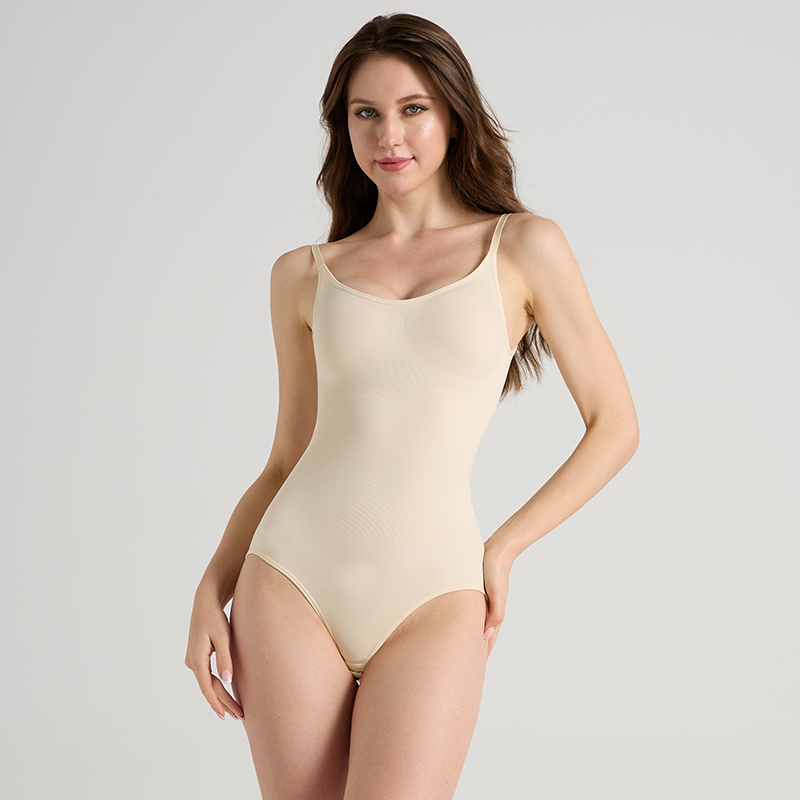
Modern daily routines often mix movement and rest without clear separation, where light activity happens naturally throughout the day instead of being confined to specific exercise periods, and this shift gradually changes how shaping wear is used.
A Fitness Body Shaper becomes part of this mixed routine when it is worn during home activities, short outdoor walks, or simple movement between daily tasks, where physical activity is present but not intense enough to require specialized sportswear.
Over time, usage frequency increases not through planned training schedules, but through repeated integration into ordinary daily cycles where comfort and support remain useful across different situations.
Common usage patterns include:
Over longer periods of daily wearing, the internal structure of a Fitness Body Shaper becomes more noticeable than its appearance, since repeated stretching, recovery, and body contact gradually reveal how stable the fabric construction remains under continuous cycles of movement that shift between light activity and rest.
Seam arrangement and layered fabric behavior quietly influence how evenly support is distributed across the body, and when those structural points remain balanced, the garment tends to keep a steady feel even after many cycles of wear, while irregular construction may slowly create areas where tension feels uneven during routine movement.
Stretch recovery also plays a part in long-term use, since garments used for daily shaping are rarely removed after short activity, and instead remain active through different parts of the day where movement patterns change without clear breaks.
Typical structural behavior in long-term wear:
In everyday environments, body temperature does not remain constant, since movement, indoor climate, and light activity all influence how heat is generated and released, and clothing that remains close to the skin must respond continuously to those changes without creating discomfort during long wear.
A Fitness Body Shaper interacts with airflow through fabric structure that allows gradual heat movement rather than trapping it in one area, and this slow exchange of air helps maintain a more balanced wearing condition during light training or extended daily use.
When activity increases slightly during walking or simple exercise, temperature inside the garment may rise gently, and the way fabric handles that change becomes important for maintaining comfort across time rather than only during short moments.
Common temperature and airflow responses include:
During light training and daily movement, posture does not stay fixed, since the body naturally shifts between upright standing, relaxed sitting, and walking rhythm, and clothing that stays close to the body can subtly influence how these transitions are perceived.
A Shaper does not force posture into a rigid position, instead it creates a light reference through gentle contact that allows the wearer to become more aware of alignment during movement, especially in moments where the body shifts from one position to another.
This awareness is not immediate or strong, it develops gradually through repeated use, where small feedback from fabric contact becomes part of how movement is felt during daily routines.
Posture-related influences often appear as:
Even when Fitness Body Shaper garments are designed for comfort and flexibility, long-term daily use can still reveal variations in how different bodies respond to fabric structure, since movement patterns, skin sensitivity, and wearing duration all differ across users.
One common challenge appears when fabric tension feels slightly different during extended wear, especially in situations where activity changes between rest and movement without clear separation, which may cause uneven comfort perception across the day.
Another situation involves adaptation over time, where initial comfort feels different after repeated use cycles, not because of sudden change, but due to gradual adjustment between body movement and fabric response.
Typical challenges include:
As daily routines continue to blend light movement with ordinary living, clothing designed for support during low intensity activity becomes part of a broader shift toward flexible wear that does not separate training from daily life in a strict way.
Fitness Body Shaper usage reflects this shift, where garments are selected not only for exercise sessions, but also for continuous wear during home activity, walking routines, and general movement throughout the day, creating a pattern where comfort and adaptability carry more weight than isolated performance moments.
This direction gradually encourages designs that respond more smoothly to mixed activity, allowing fabric behavior to stay consistent across changing environments rather than being limited to specific training conditions.
Observed direction trends include:
Looking forward, development in Shaper design is likely to focus on refining how fabric responds to continuous movement, especially in environments where light training and daily activity overlap throughout the day rather than existing as separate categories.
More adaptive fabric behavior may allow smoother transition between rest and movement, while improved structural balance can support more consistent comfort during longer wearing periods without requiring adjustment or interruption.
Future direction may also place greater attention on how garments interact with natural body rhythm, aiming for a wearing experience that feels less noticeable during use while still maintaining gentle support during movement.
Potential development directions include:
Fitness Body Shaper use in light training and daily shaping continues to grow alongside lifestyle patterns where movement is distributed across the whole day, and comfort becomes closely tied to how clothing behaves during repeated transitions between activity and rest rather than any single moment of exercise.
Copyright © Jinhua Yongxing Knitting Co., Ltd.
 Seamless Yoga Sets


 English
 русский
 Español