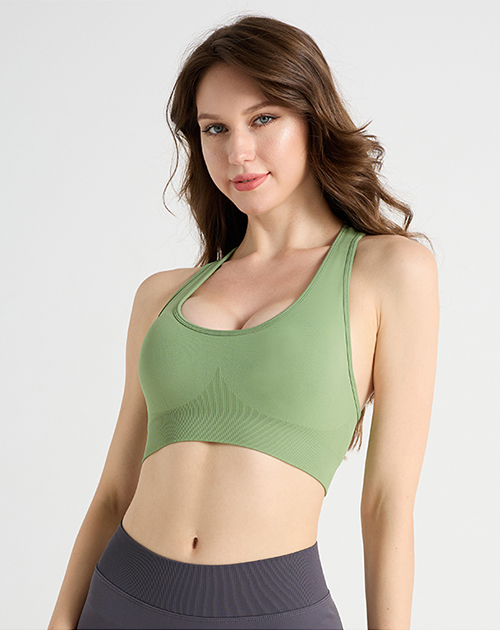
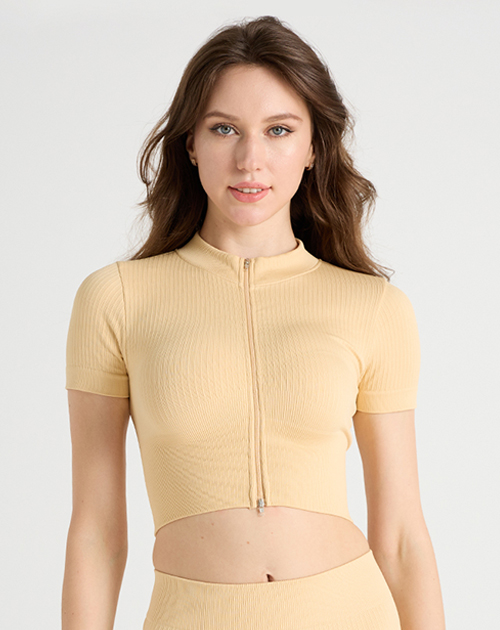
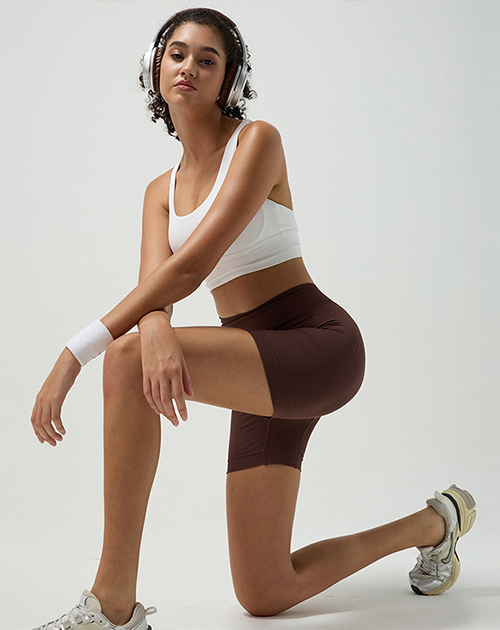
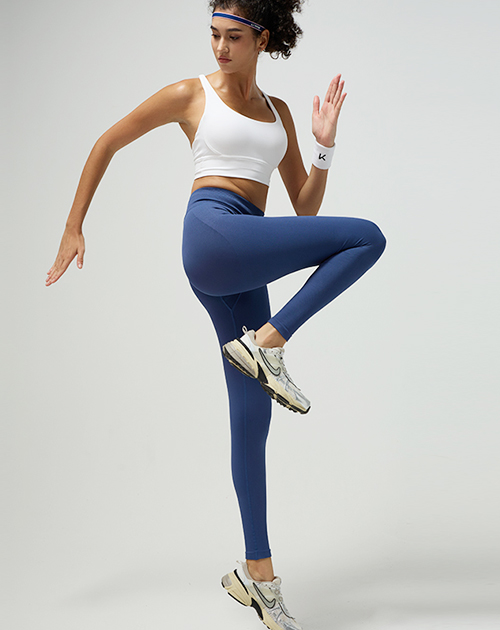
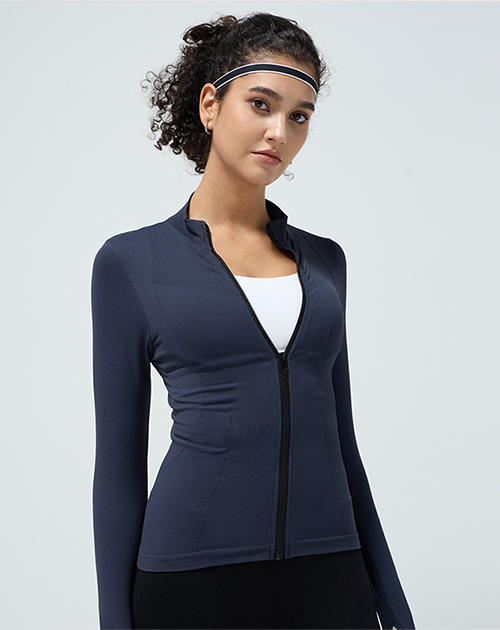
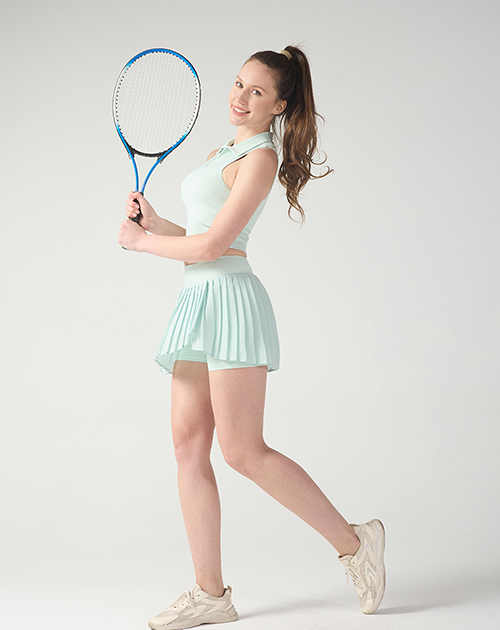
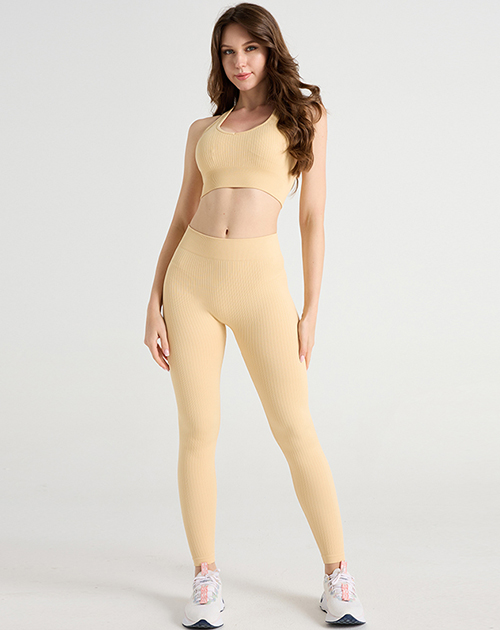
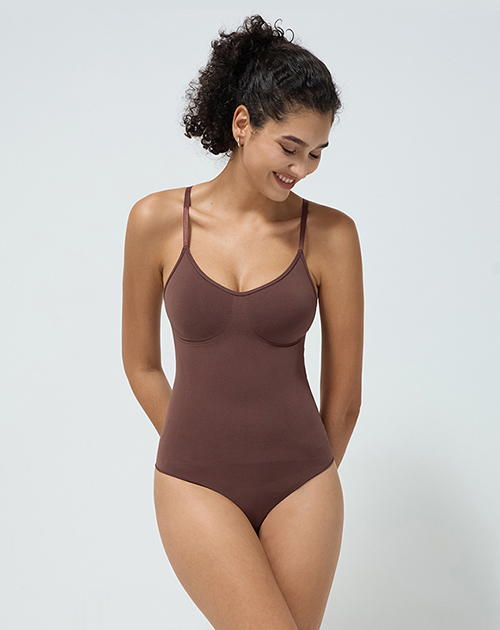
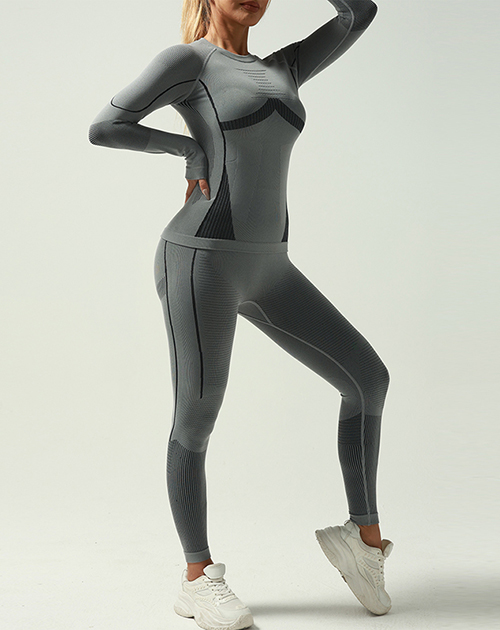
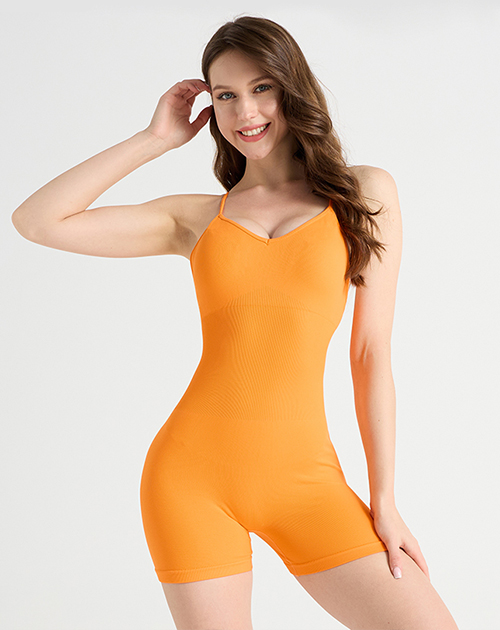
Exercise habits today rarely stay fixed to one routine. Many people move between stretching, running, strength training, and light recovery work within the same week, sometimes even within the same day. That shift has changed how clothing is expected to behave during movement. A Fitness Sports Suit is now often viewed as part of motion support rather than only an outer layer worn during exercise.
Body movement during workouts is no longer repetitive in a single direction. One session may begin with slow warm-up stretches, continue into fast-paced activity, then return to controlled recovery movement. Clothing that feels fine in one stage may start to feel tight or unstable in another. That difference pushes attention toward flexible structure and adaptive fit.
In practical use, movement demands often appear like this:
A Fitness Body Shaper is often worn together with sportswear in some routines, adding gentle support in areas where motion changes frequently. Instead of limiting movement, the goal is to help the body maintain steady alignment while shifting between exercise styles.
The feeling of comfort during training is closely linked to how fabric responds when the body changes direction quickly or slowly within the same session.
Different training styles create different movement patterns, even when they seem similar at first glance. Stretching exercises involve slow extension of muscles, often holding positions for longer time. In contrast, aerobic movement introduces rhythm and repetition, where the body keeps a steady pace over time.
Strength-based training adds another layer, where motion may stop and restart under resistance. That type of activity places pressure on clothing in short bursts rather than continuous flow. Each pattern interacts with fabric in a different way.
| Movement Situation | Without Shaper Layer | With Shaper Layer |
|---|---|---|
| Standing posture | Loose fabric shift | Stable alignment feel |
| Light walking | Fabric movement variation | Smoother positioning |
| Stretching | Uneven fabric tension | More balanced contact |
| Mixed daily motion | Frequent adjustment feel | Steady fabric response |
Fitness Sports Suit design often needs to respond to all of these patterns within one garment. That means fabric cannot stay rigid in one direction or overly loose in another. Balance becomes more important than fixed structure.
Fabric behavior plays a direct role in how freely the body moves during exercise. When material stretches in one direction but resists in another, movement can feel uneven, especially during transitions between exercise types.
Modern Fitness Sports Suit construction often uses layered textile structure, where each layer serves a different purpose. One layer may focus on elasticity, another on surface smoothness, while another supports shape recovery after movement.
During exercise, fabric is constantly reacting to motion. Arms extend, legs bend, torso rotates. If fabric tension is uneven, movement feels restricted even when space is available in the body itself.
Key aspects of fabric behavior include:
Fitness Body Shaper layers may add light compression in selected zones, helping the fabric stay closer to the body without limiting motion. That support often feels more noticeable during repeated movement rather than static standing.
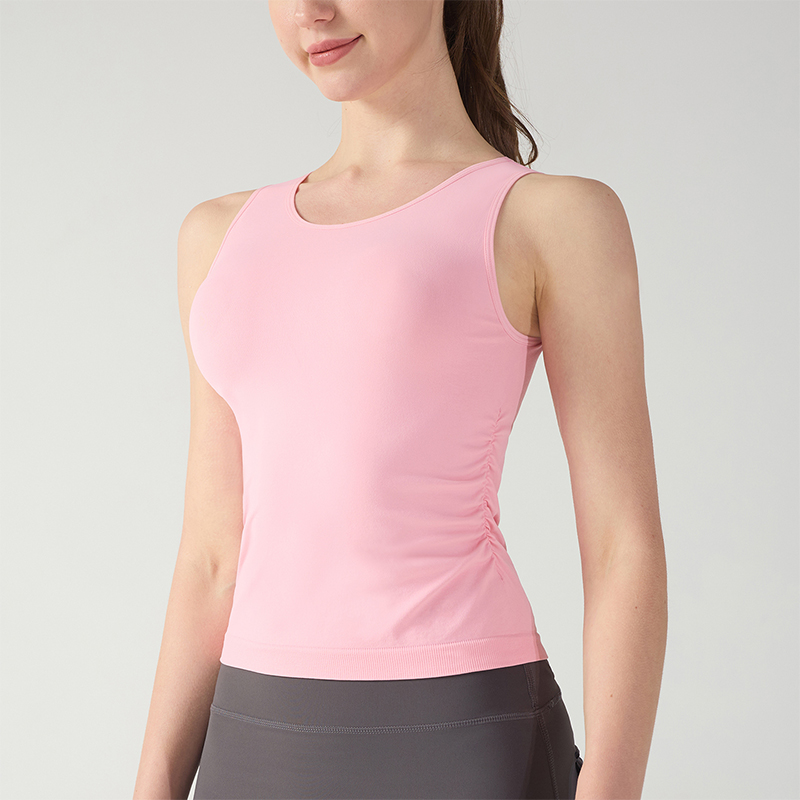
Body movement during exercise follows natural joint patterns. Shoulders rotate, knees bend, waist twists. Clothing that ignores these movement points may feel tight or shift out of place during activity.
Ergonomic design in a Fitness Sports Suit focuses on aligning fabric structure with those natural motion points. Instead of treating clothing as a flat surface, design considers how each part of the body moves in real conditions.
Common focus areas include:
Fitness Body Shaper elements often work within these zones by applying gentle pressure where support is needed while leaving high-movement areas more flexible. That balance allows clothing to move with the body rather than against it.
Ergonomic structure does not change the exercise itself. It changes how the fabric responds during motion, especially when movement shifts between slow and fast patterns.
Compression in sportswear does not focus on restriction. Instead, it distributes gentle pressure across selected body areas. That pressure can help fabric stay stable during repeated movement, especially in training sessions with continuous direction changes.
In a Fitness Sports Suit, compression areas are often placed where muscles experience frequent activity. During running or aerobic routines, fabric tends to shift slightly due to repeated motion. Compression helps reduce that shifting effect.
Common compression effects include:
A Fitness Body Shaper may add structured compression in core areas such as waist or lower back. That support does not stop movement, it simply keeps clothing aligned during motion cycles.
Comfort during long training sessions often depends more on stability than tightness. When fabric stays in place, attention remains on movement instead of adjustment.
Workout space often changes how clothing behaves during movement. Indoor training feels more controlled, air stays still, temperature does not shift too much. Outdoor activity brings wind, sunlight, and uneven ground conditions. A Fitness Sports Suit has to stay usable across these changes without becoming distracting during motion.
Inside a gym or similar space, movement tends to repeat in steady patterns. Squats, stretches, treadmill walking, resistance training. Fabric contact becomes more noticeable because airflow is limited. When material cannot release heat quickly, comfort starts to drop during longer sessions.
Outdoor exercise feels different. Running or fast walking creates natural airflow across the body. Clothing may shift slightly during direction changes or speed variation. Fit stability becomes more important than appearance or structure.
Home workouts sit somewhere in between. Movement space is smaller, exercise often switches between stretching, light strength work, and short breaks. Clothing needs to stay relaxed without feeling loose during floor-based movements.
Environmental response often shows in simple ways:
Fitness Body Shaper layers also react differently depending on environment. In cooler surroundings, compression feels firmer. In warmer conditions, breathability becomes more noticeable during longer movement cycles.
During exercise, body temperature rises step by step. Sweat appears, first lightly, then more clearly as movement continues. Clothing that cannot handle moisture well starts to feel heavy or sticky during longer sessions.
A Fitness Sports Suit usually relies on fabric structure rather than external treatment. The way threads are arranged decides how fast moisture moves away from the skin. When moisture stays too long, movement feels less natural, even when the fit is correct.
Temperature changes follow exercise rhythm. Warm-up brings gradual heat, active training increases it, recovery lowers it again. Clothing has to stay stable across all these phases without feeling too tight or too loose.
Common comfort factors include:
Fitness Body Shaper areas can influence heat distribution slightly around the core. Light compression keeps fabric close to the body, while surrounding zones allow air to move through more freely. That balance helps avoid sudden heat buildup during longer activity.
Comfort during training often depends on how quietly fabric handles sweat and heat without drawing attention.
A Fitness Body Shaper is often worn not only during exercise, but also during normal daily movement. Its role is not about restriction, more about gentle support in areas that experience frequent motion.
Daily movement includes walking, sitting, standing, bending, and light stretching. None of these actions stay fixed. The body shifts position all the time, sometimes without notice. Clothing that stays aligned during these changes feels easier to wear for longer periods.
Support usually focuses on a few key areas:
When combined with a Fitness Sports Suit, shaping layers stay close to the body while outer fabric handles larger movement. The two layers work together without feeling separated in daily use.
| Movement Situation | Without Body Shaper Layer | With Body Shaper Layer |
|---|---|---|
| Sitting for long time | Fabric shifts around waist | More stable contact feel |
| Light walking | Loose fabric movement | Smoother positioning |
| Stretching at home | Uneven tension feel | More balanced support |
| Mixed daily activity | Frequent adjustment need | Steady fabric response |
The effect is subtle. It becomes more noticeable during longer wear rather than short exercise moments.
Sportswear goes through many movement cycles. Stretching, bending, compression, release. Over time, fabric that does not recover well may lose shape or feel uneven in different areas. A Fitness Sports Suit is usually designed to handle that repeated cycle more steadily.
Elastic recovery is one of the key points. After stretching, fabric needs to return to its original shape without delay. Slow recovery leads to loosened areas, while overly stiff recovery can feel restrictive during movement transitions.
Stitching also plays a role. Exercise creates pressure at joints and seams again and again. Shoulder zones, waist areas, and knee sections usually carry more movement load compared to flat areas.
Durability often depends on:
Fitness Body Shaper layers also go through constant light compression, even outside training time. That means durability is not only about exercise sessions, daily wear also contributes to long-term fabric behavior.
Durability is less about a single strong point, more about how evenly the material behaves over repeated movement.
Training styles are no longer limited to one direction. A single session may include stretching, strength work, light cardio, and recovery movement. Clothing has started to follow this mixed pattern rather than staying fixed for one activity.
A Fitness Sports Suit is now often expected to handle movement changes within the same routine. Instead of switching outfits, users rely on flexible fabric behavior that adapts quietly during activity changes.
Design direction often focuses on:
Fitness Body Shaper layers are also becoming more integrated with sportswear rather than separate from it. Light support is added in a way that does not interrupt movement, only follows body changes during exercise.
Movement in real life rarely stays consistent. Clothing that adjusts quietly to those shifts tends to feel more natural during both exercise and daily use.
Copyright © Jinhua Yongxing Knitting Co., Ltd.
 Seamless Yoga Sets


 English
 русский
 Español