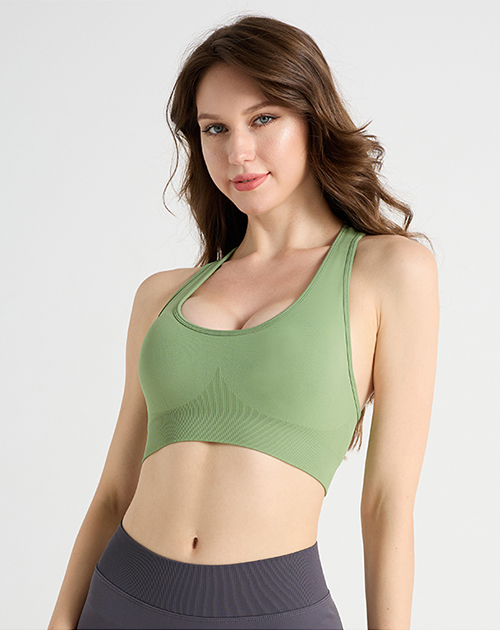
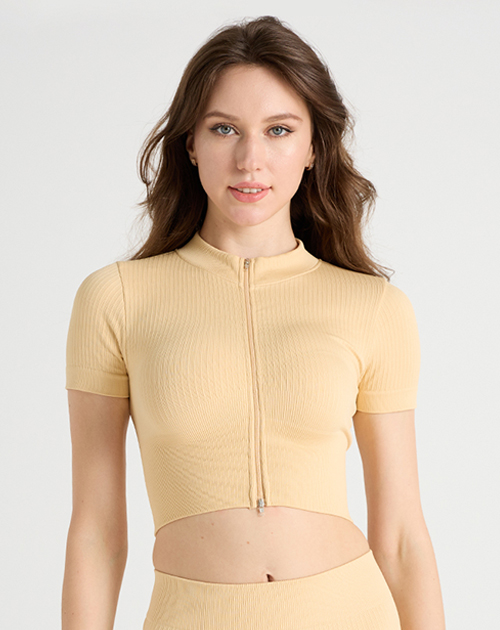
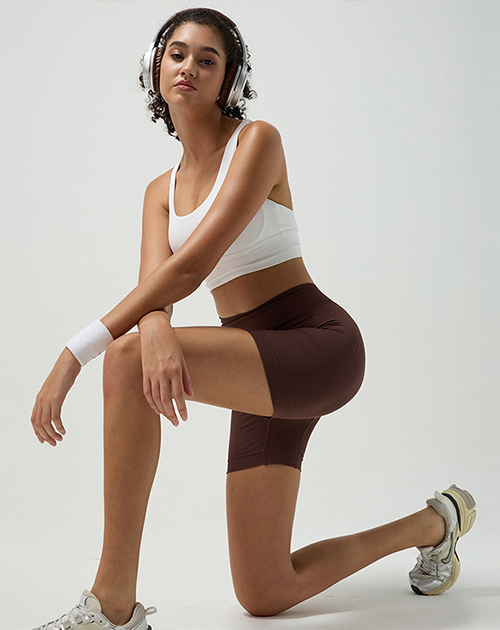
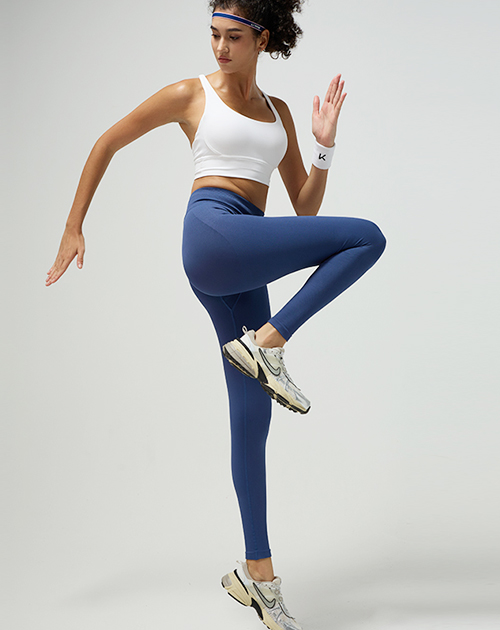
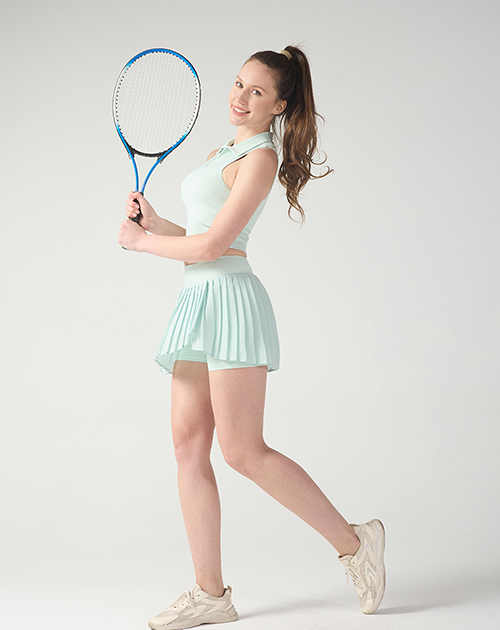
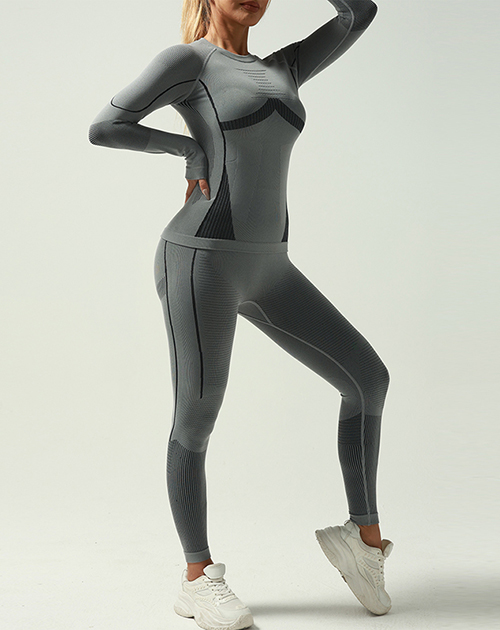
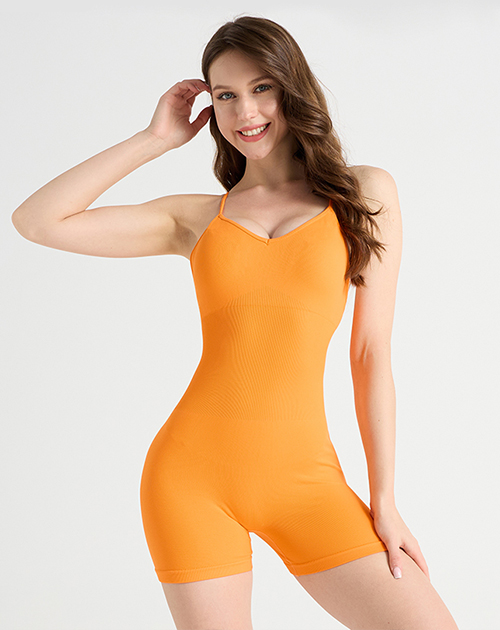
Clothing that once stayed inside sport environments has slowly slipped into daily routines. Not through sudden change, more through small habits like walking longer distances, mixing errands with light exercise, or wearing comfortable pieces across different parts of the day. In that shift, Activewear Tennis Skirt begins to appear less tied to a single setting.
The movement behavior plays a quiet role here. Standing still feels different from walking, and walking feels different from stretching or quick direction changes. A skirt designed for motion does not hold one fixed shape during all of that. It follows the body in a looser rhythm, which makes it usable outside sport situations.
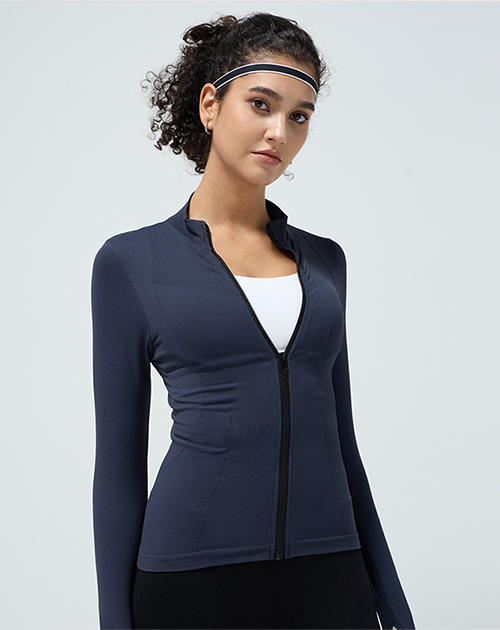
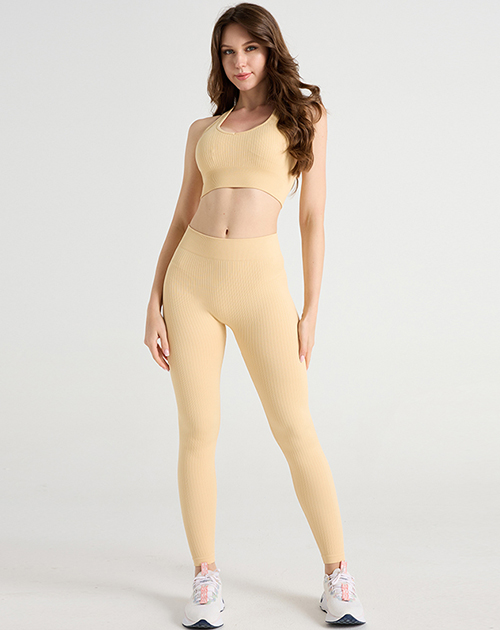
Fitness Sports Suit often enters the same dressing pattern, especially when upper and lower pieces are chosen for shared movement comfort. The combination feels less like a uniform and more like a flexible layer system that adapts to different parts of the day without much adjustment.
Comfort often comes from what is not visible. Inside the skirt, a close-fitting short layer sits against the skin and quietly changes how movement feels.
During walking or bending, fabric usually shifts and rubs against skin in repeated areas. The inner layer reduces that direct contact. Movement feels more stable because the outer fabric is no longer the only barrier between skin and motion.
There is also a sense of staying in place. When direction changes quickly, clothing can shift upward or sideways. The inner structure holds position more steadily, so adjustment is not constantly needed.
Over time, this creates a more relaxed wearing rhythm:
The result is not about performance language. It is more about not needing to think about clothing during movement.
Heat builds quietly during movement. It does not arrive in one moment. It collects gradually as muscles keep working and air around the skin becomes warmer.
Fabric becomes part of that process. When material allows air to pass through small spaces, warmth does not stay trapped for long periods. It slowly moves outward during motion, especially when the body keeps changing position.
Sweat follows a similar path. Instead of staying in one wet area, it spreads across the surface. Once spread, drying begins more evenly. The feeling of dampness does not stay concentrated in one spot, which changes how heat is perceived.
The inner shorts and outer skirt do slightly different work. One stays closer to the skin and manages direct moisture. The other helps air move and reduces heat holding near the surface.
In practical movement, it often feels like:
| Movement Situation | Fabric Behavior | Body Feeling |
|---|---|---|
| Light activity | Low moisture, steady airflow | Neutral comfort |
| Continuous walking | Sweat spreads gradually | Balanced warmth |
| Faster motion | Airflow increases | Lighter skin feel |
Movement rarely follows a single direction. Walking involves forward steps, turning adds rotation, and everyday actions include bending or reaching. Clothing that only adapts in one direction can feel slightly restrictive in those mixed motions.
Four-way stretch changes that behavior. Fabric extends along multiple directions at the same time, following body movement instead of resisting it. When legs move forward or sideways, the material adjusts without pulling against the skin.
What matters more is how the fabric returns. After stretching, it comes back to shape without staying loose or overly tight in one area. That return keeps the silhouette stable during repeated motion.
During real activity, this often shows up as:
Fitness Sports Suit pieces often use similar stretch behavior so upper and lower parts feel aligned during movement rather than acting separately.
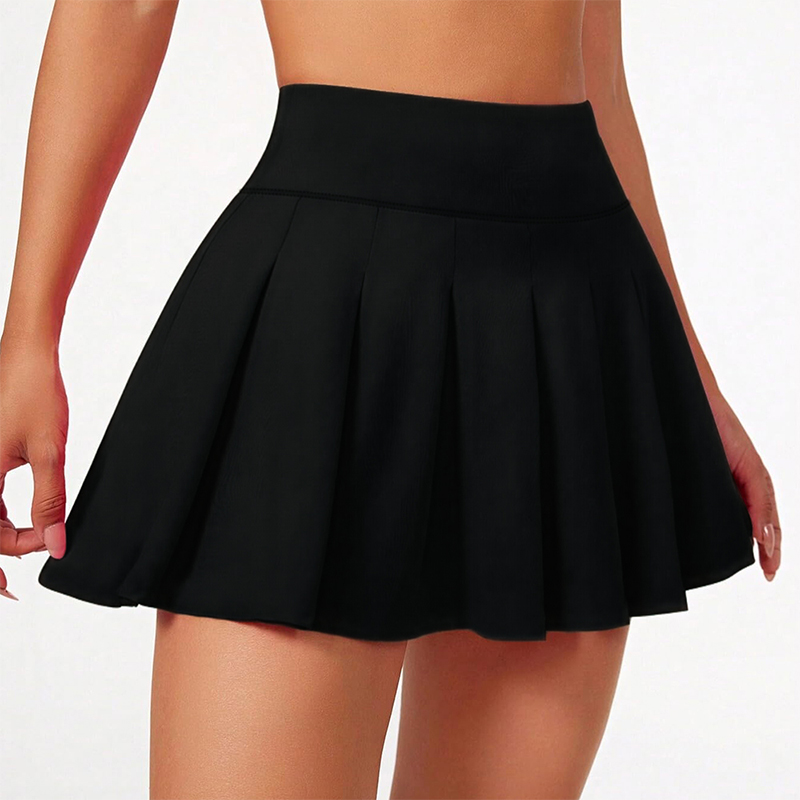
Daily movement often includes small objects, even during light activity. Keys, cards, or a phone are usually carried along, and clothing that can hold them without disruption changes how movement feels.
Hidden pockets inside the inner shorts provide a simple solution. Because they sit close to the body, stored items do not swing freely during motion. That reduces distraction and keeps movement more stable.
The placement also avoids shifting weight. Instead of hanging externally, items stay supported by the body's movement pattern.
Common effects include:
| Storage Area | Function | Movement Effect |
|---|---|---|
| Inner pocket | Holds small items | Stable carrying |
| Waist layer | Keeps position | Reduced shifting |
| Fabric structure | Supports flexibility | Smooth motion flow |
Movement changes how clothing looks more than any fixed design line. A skirt does not stay still during walking or standing. It shifts slightly with each step, and that small motion becomes part of how it is visually understood in daily wear.
Pleated structure reacts in a loose cycle. As the legs move, folds open a little and then return when movement slows. That repeated change creates a soft rhythm without sharp edges. An A-line cut behaves differently. It follows the body in a smoother drop, letting motion pass without strong visual interruption.
Activewear Tennis Skirt sits between those behaviors. It does not hold a rigid outline, and it does not collapse into a shapeless form during activity. Instead, it keeps a controlled flow that adjusts depending on how the body moves in that moment.
In casual use, this creates a quiet flexibility:
The same structure works differently depending on context, which is why it fits both sport and casual environments without needing adjustment.
Clothing used to stay in separate categories. One set for movement, another for rest. That line has become softer over time, especially in daily routines where physical activity and casual moments often happen in the same outfit.
Activewear Tennis Skirt reflects that shift through how it behaves across different situations. During movement, fabric responds to airflow and body motion. During slower activity, it settles without losing comfort. The transition is not dramatic, more like a gradual change in rhythm.
Fitness Sports Suit often appears in the same flow, especially when clothing pieces are chosen to work together across different activity levels. The result is a kind of continuity rather than switching outfits for each task.
In real use, the change between settings feels like:
Layering changes how clothing feels during movement. When upper and lower pieces are designed with similar fabric behavior, motion feels more connected across the whole body.
In combination with Fitness Sports Suit, the skirt works as part of a larger system rather than an isolated piece. The upper layer manages torso movement, while the lower layer follows leg motion. Together, they create a continuous flow of comfort.
Air movement between layers also plays a quiet role. As the body moves, small air shifts happen between fabric surfaces. That helps reduce heat build-up and keeps fabric from feeling too close to the skin for long periods.
In practice, layered movement often shows:
Comfort over time is not only about how clothing feels at the start. It is about how it behaves after repeated movement, small pauses, and changing activity levels.
Activewear Tennis Skirt maintains a steady response because fabric does not lock into one position. It adjusts slightly with each movement cycle, which prevents pressure from building in one fixed area.
Moisture handling also matters during longer wear. Sweat does not stay concentrated in a single spot for too long. It spreads and dries gradually, which helps avoid heavy or damp feeling during continued activity.
Airflow remains active during motion, even when activity is light. That ongoing exchange between skin and environment supports a more even temperature feeling over time.
Long wear behavior often includes:
The shift between sport and casual wear does not happen through a single feature. It happens through repeated small responses in fabric, structure, and movement behavior.
Activewear Tennis Skirt fits into that shift because it does not demand a different mindset for different situations. Walking, stretching, or light activity all sit within the same comfort range. Fitness Sports Suit pairing extends that idea across the full body, creating a continuous movement experience.
Instead of separating sport and daily wear, the clothing follows movement itself. When the body moves, it adapts. When the body slows down, it settles. That simple pattern is what allows it to stay useful across both environments without feeling out of place.
Copyright © Jinhua Yongxing Knitting Co., Ltd.
 Seamless Yoga Sets


 English
 русский
 Español