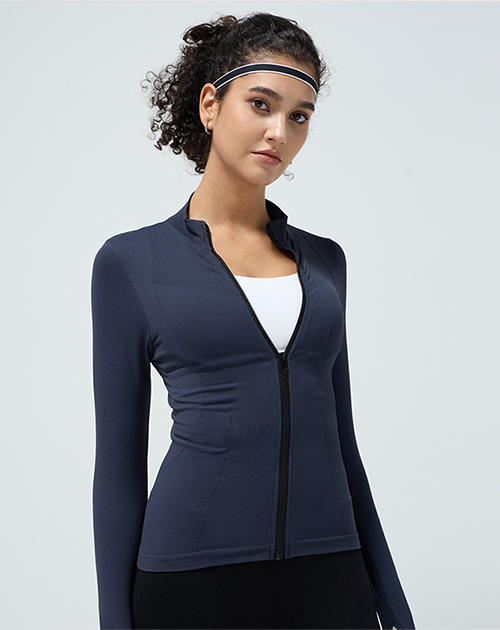
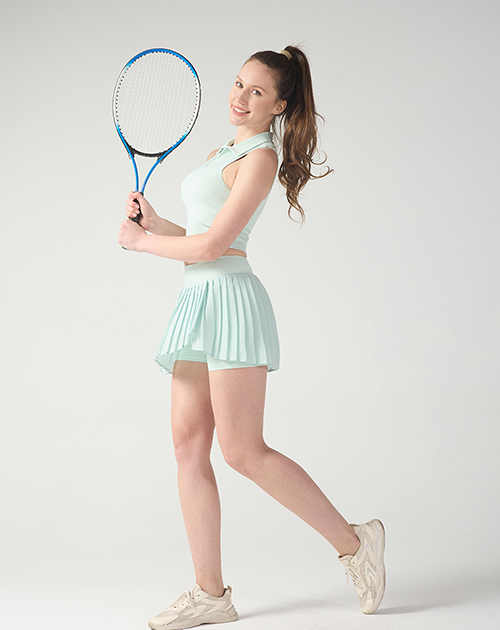
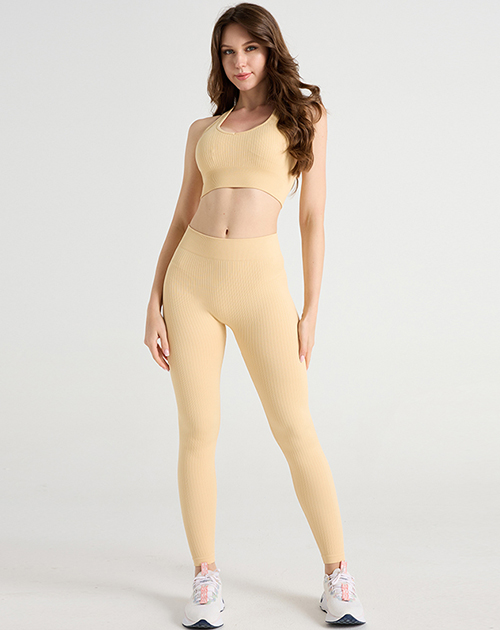
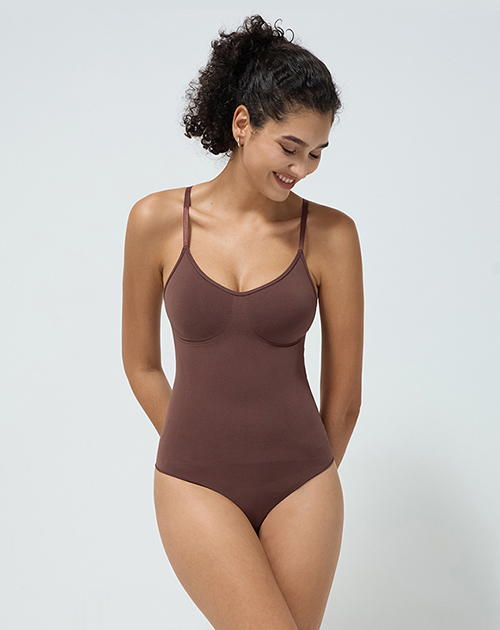
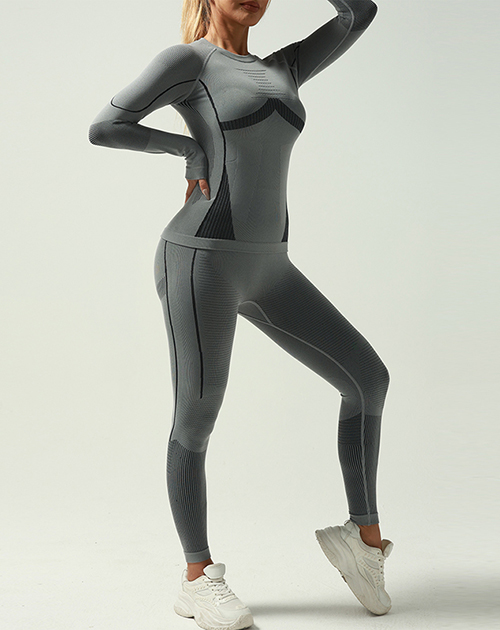
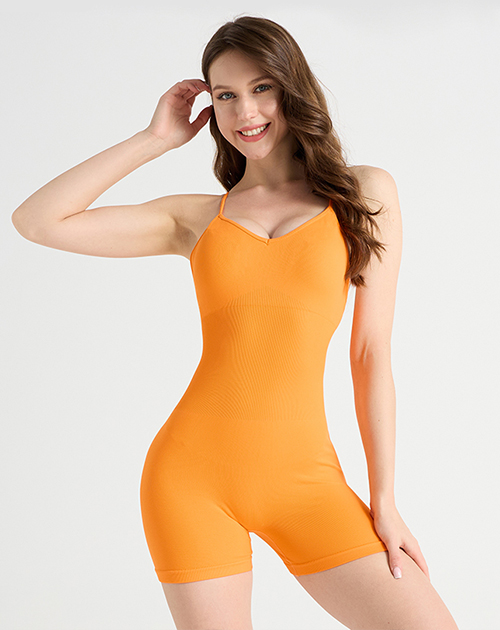
Heat during exercise does not really "arrive" all at once. It builds quietly, almost unnoticed at the beginning. Legs move, arms repeat the same rhythm, breathing goes deeper, and somewhere in that process the body starts holding more warmth than it releases.
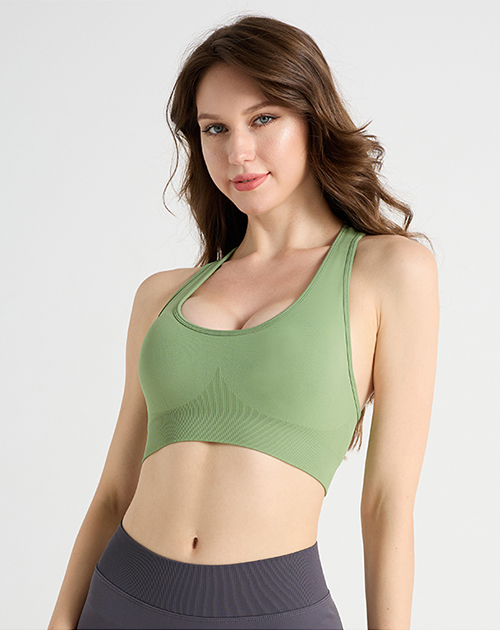
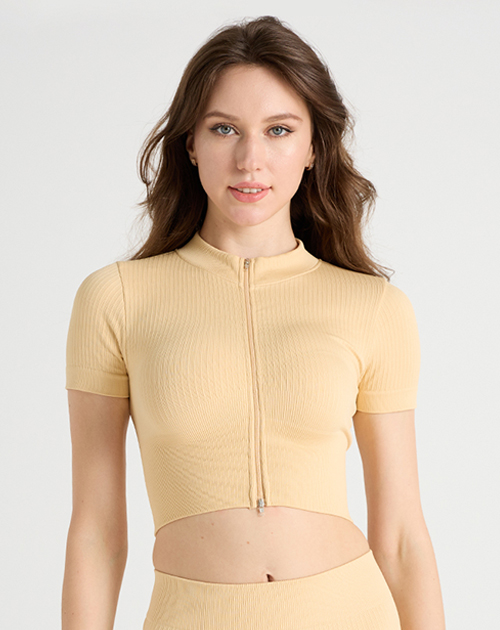
A Breathable Sports Top sits right on that boundary between skin and air, so whatever heat wants to leave the body has to pass through fabric first. If that passage feels blocked, warmth stays. If air can move, the feeling changes. A Quick Dry Sports Shirt often gets mentioned in the same context, mainly when sweat appears fast and keeps coming without long breaks.
What people usually call "heat build up" is not only about temperature. It is also about trapped air, wet fabric, and slow drying. All of them stack together during movement.
The body is always producing heat during exercise. Muscles contract again and again, and that work naturally turns into warmth. The more continuous the movement, the more steady that heat becomes.
At the same time, clothing starts to matter more than people expect. When fabric sits close to skin and air cannot circulate freely, heat does not leave easily. It lingers near the surface and slowly spreads outward.
Sweat adds another layer. It is supposed to cool the body, yet it only works well when it can evaporate. If it stays trapped in fabric, the cooling process slows down. The shirt feels damp, and the skin feels warmer than it should.
Even surrounding air plays a role. Still air or enclosed spaces make it harder for heat to escape. Without movement in the air, clothing becomes the main path for cooling or heat retention.
In most exercise situations, heat build up comes from a mix of:
steady muscle activity creating internal warmth
Airflow is simple in theory, yet very noticeable during exercise. When air moves across skin, heat leaves faster. When air stays still, warmth builds up in the same place.
A Breathable Sports Top is usually built with small gaps in fabric structure that allow air to pass through during movement. It does not feel like open holes, more like space between fibers that becomes active when the body is in motion.
As the body moves, clothing does not stay fixed. It shifts slightly, bends, stretches, and returns. That movement creates small air exchanges. Warm air near the skin gets pushed out, while outside air moves in to replace it.
Certain areas of the body heat up more easily, especially places where movement and friction happen together. When airflow reaches those areas, the heat feels less trapped.
What happens in practice is quite subtle:
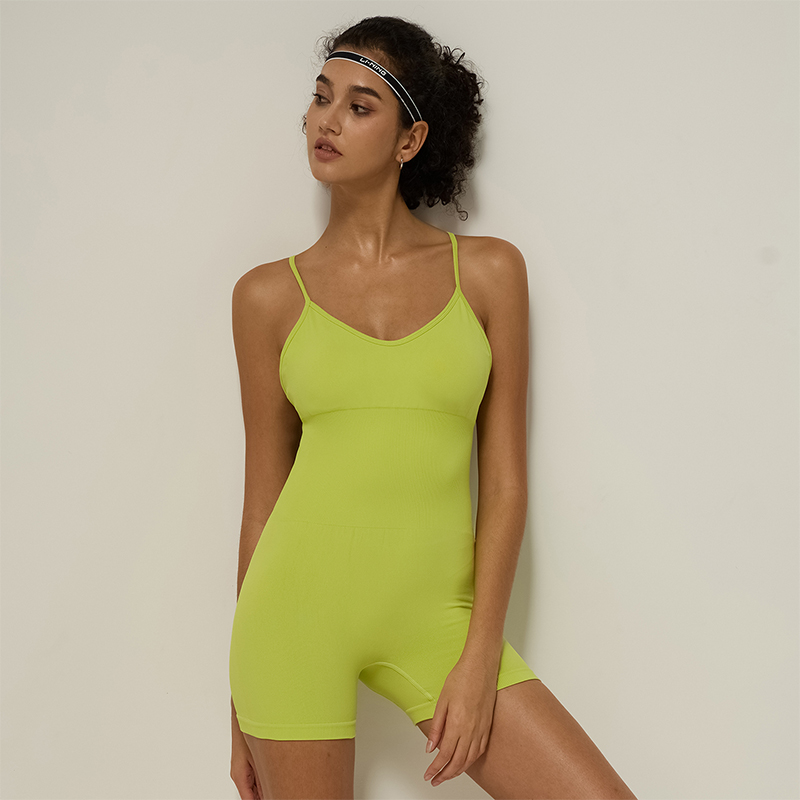
Sweat is part of cooling, but it does not always feel helpful in real movement. The difference lies in whether it evaporates or stays trapped.
When sweat spreads and evaporates, it pulls heat away from the skin. When it stays in fabric, it creates a damp layer that blocks airflow. That is where discomfort usually starts.
A Breathable Sports Top helps by letting moisture move away from the skin instead of collecting in one spot. Once sweat spreads across a wider surface, it has a better chance to dry during movement.
A Quick Dry Sports Shirt follows a similar idea, focusing on reducing the time fabric stays wet. Less wet time usually means more stable cooling during repeated activity.
In simple terms, sweat behaves like this during exercise:
| Fabric Situation | Sweat Condition | Heat Feeling |
|---|---|---|
| Damp and stuck | Moisture stays in one area | Heat feels heavier |
| Spread evenly | Moisture distributed across surface | Cooling feels smoother |
| Fast drying | Moisture leaves quickly | Temperature feels more stable |
Fabric is not just something that covers the body. During exercise, it becomes part of how heat moves. If the structure is too tight, air has a hard time passing through. If it is too open, it may lose shape during movement. The balance sits somewhere in between.
A Breathable Sports Top usually relies on lightweight construction and fiber spacing that allows air movement without making the garment unstable. That balance is what lets heat escape gradually instead of staying locked inside.
When fabric is lighter, it does not press as strongly against skin during motion. That gives air more space to circulate. When moisture spreads easily across the surface, drying happens in a more even way instead of in isolated wet patches.
Small structural differences can change how the body feels during long activity:
Fit is often overlooked, yet it affects airflow in a direct way. Clothing that is too tight reduces space for air movement. Clothing that is too loose may not guide airflow close enough to the skin.
A Breathable Sports Top usually sits in a middle zone. It follows body movement without sealing every gap, leaving enough space for air to pass in and out during motion.
When the body moves, fabric shifts. That shift creates small air pumps. Air gets pushed out when the body expands and pulled back when it relaxes. This cycle repeats naturally with movement.
Where fabric touches skin constantly, heat tends to stay longer. Where there is slight separation, heat leaves more easily. That small difference becomes noticeable during longer exercise sessions.
Fit effects during activity often include:
Heat during exercise is never only about the body itself. The surroundings keep pushing into the experience in quiet ways. The same movement can feel different depending on air movement, humidity, or even how enclosed the space feels.
When air is still, warmth stays closer to the skin. It does not move away quickly, so heat starts to collect in small layers under clothing. When there is a bit of airflow, even without strong wind, that trapped warmth breaks apart more easily and the skin feels less burdened.
Moist air behaves differently again. Sweat appears as usual, yet it does not leave the fabric quickly. Evaporation slows down, and the cooling effect weakens. Dry air does the opposite. It helps moisture leave the surface faster, which makes the same workout feel lighter in comparison.
Breathable Sports Top sits in the middle of all this. It cannot change the weather, but it changes how much of that weather reaches the skin. That alone shifts how heat is experienced during movement.
Typical environmental effects look like:
During longer activity, sweat does not stay at a steady level. It comes in waves. Some moments are dry, then suddenly moisture increases again. Clothing has to deal with that constant change.
Quick Dry Sports Shirt becomes noticeable in those transitions. The key point is not only absorbing sweat, but letting it leave the surface quickly enough so the fabric does not stay heavy for long.
When fabric stays wet, it begins to stick more closely to the skin. That reduces airflow and creates a warmer feeling, even if the body is not working harder. Once drying happens faster, the fabric loosens again, and air can move through more freely.
This shift affects comfort more than people usually notice at first. It is small, but it repeats throughout the entire exercise session.
In real movement, quicker drying often leads to:
Short movement does not always show how clothing behaves. It is during longer activity that patterns become clearer.
As exercise continues, sweat production becomes more steady. Fabric slowly carries more moisture, and airflow has to keep working in the background to balance temperature. If drying is slow, damp areas spread. If airflow stays active, the body feels more stable.
Breathable Sports Top plays a steady role here. It does not rely on a single cooling moment. Instead, it keeps small airflow changes happening throughout movement, almost like a background rhythm.
At the same time, the body itself adapts. Breathing settles, movement becomes repetitive, and heat management turns into a continuous cycle instead of sudden changes.
Over longer sessions, common changes include:
Exercise is not only muscle work. It is also constant shape change. Arms swing, torso rotates, shoulders shift. Fabric follows all of that.
Breathable Sports Top reacts to this movement instead of staying rigid. As the body moves, small gaps inside the fabric open and close. That shifting space lets air enter and leave without needing external force.
There is also a subtle pumping effect. When the body expands during motion, air gets pushed out. When it relaxes, air comes back in. This cycle keeps repeating during exercise, creating a slow but steady exchange of air around the skin.
Heat does not stay locked in one place because the fabric is never fully still.
What this creates in real use:
Heat control during exercise is not a single action. It is a mix of small processes happening at the same time. Airflow, sweat movement, fabric behavior, and body motion all overlap and influence each other.
Breathable Sports Top helps mainly by keeping air exchange active and reducing the time heat stays trapped near the skin. Quick Dry Sports Shirt adds another layer by shortening how long moisture remains on fabric.
Together, they do not remove heat. They make it easier for heat to leave gradually instead of building up in one place.
In practice, the result feels like steadier comfort during movement. Less sudden warmth, fewer heavy damp spots, and more consistent airflow throughout the session.
Copyright © Jinhua Yongxing Knitting Co., Ltd.
 Seamless Yoga Sets


 English
 русский
 Español