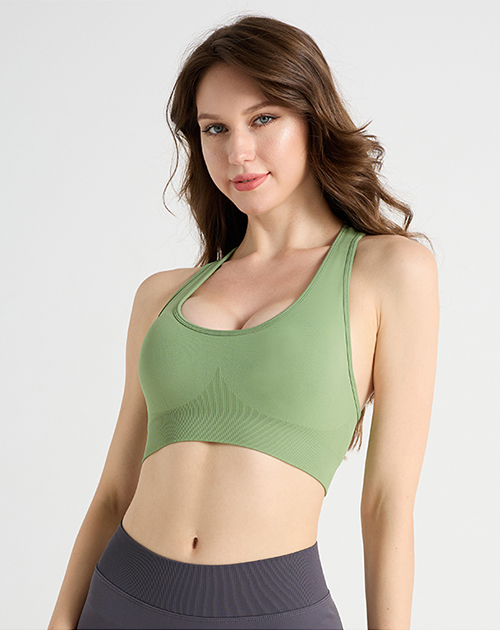
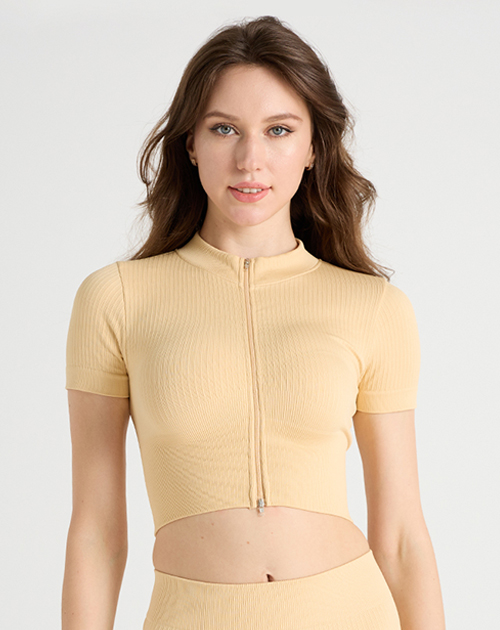
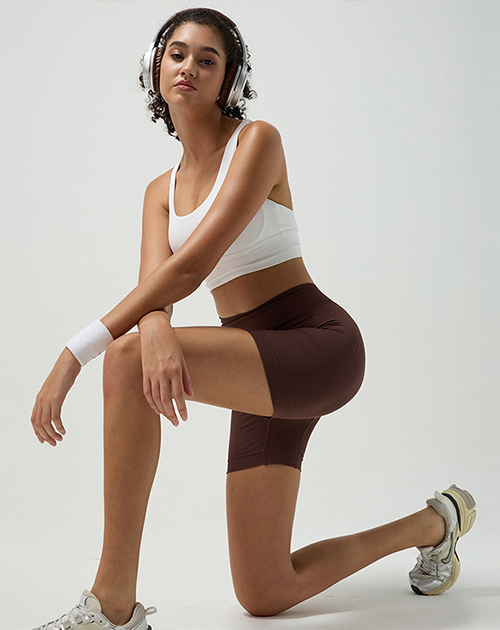
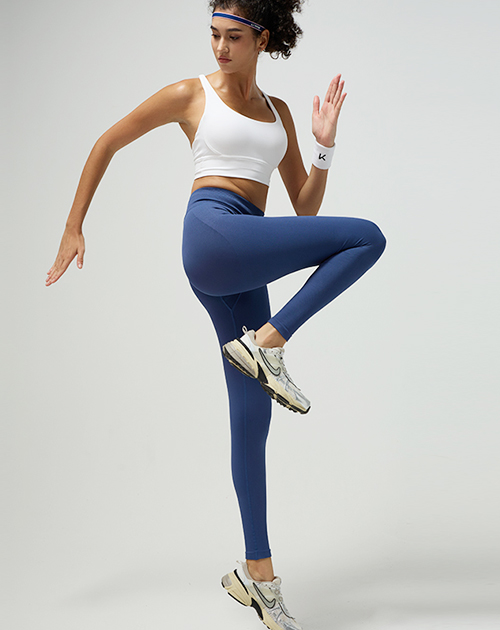
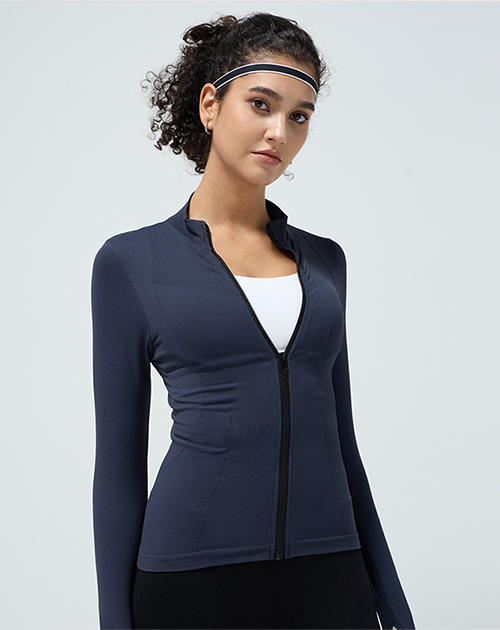
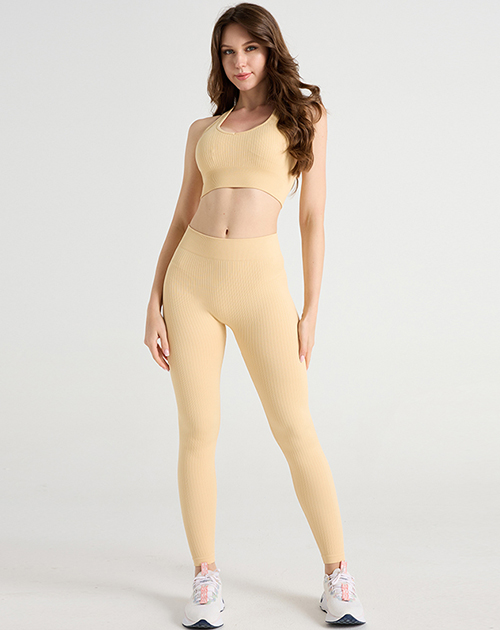
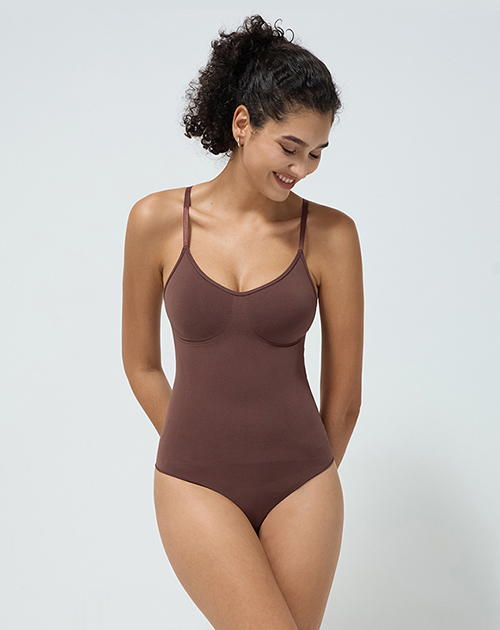
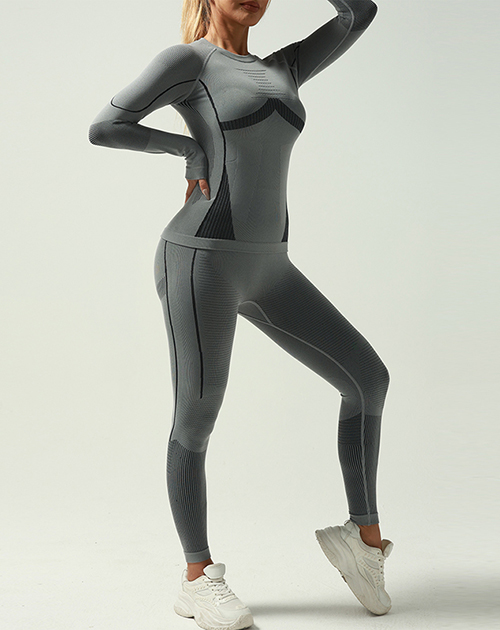
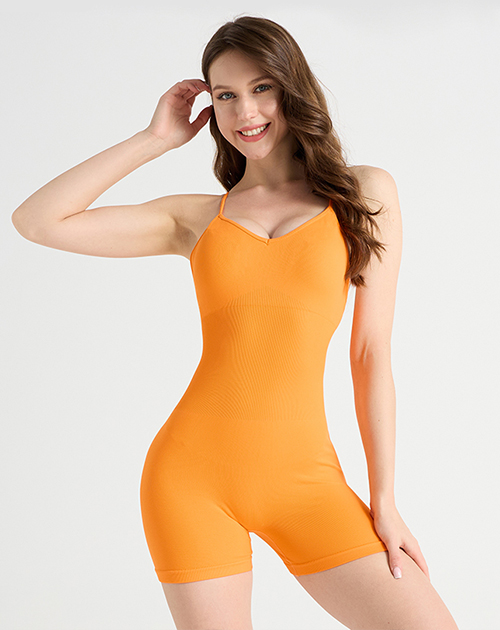
Your brand just launched its top-selling leggings into three new territories. The color selections landed perfectly. The fabric feels high-end. Yet within weeks, the return messages begin arriving—first slowly, then in volume. Feedback from Japan notes the fit feels loose and excessively long in the legs. German customers repeatedly ask for additional inseam length. Buyers in North America highlight insufficient shaping or support around the hip area. One identical style. Three separate sets of issues. This isn't about substandard materials or construction errors. It comes down to proportions—and that kind of mismatch occurs more frequently than many brands acknowledge publicly. In the worldwide market for Yoga Outfits for Women , proper fit remains the understated factor that determines whether a purchase stays or gets sent back. A shopper captivated by your social media imagery will return the item anyway if the waistband shifts during a seated twist or the rise feels uncomfortable in a deep lunge. The difficult truth is that a pattern performing smoothly in one region can feel noticeably off in another—not from poor craftsmanship, but because average body shapes and proportions truly differ across populations. The space between "meets the spec sheet" and "feels right on the body" is precisely where most returns accumulate. Narrowing that space doesn't mean redesigning the entire collection—it means adopting a more thoughtful pattern strategy.
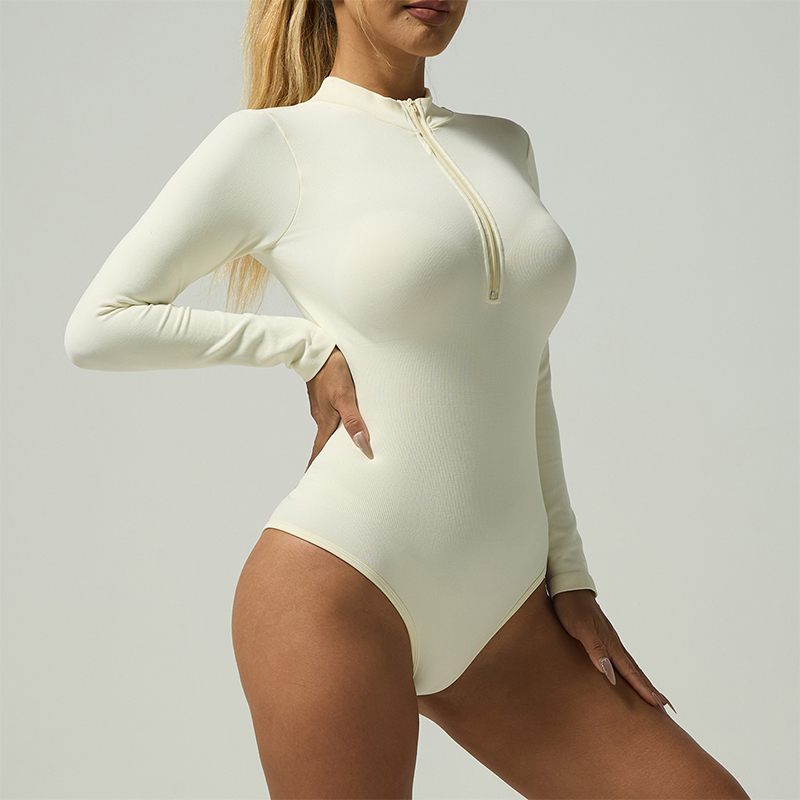
Here's the aspect many brands overlook: fit isn't a fixed choice made once at the beginning of a line and then left alone. Its consequences compound. Each returned pair incurs handling, inspection, repackaging, and often return shipping expenses. Each review that calls out a slipping waistband or uneven leg length subtly lowers your overall conversion and repeat-buy rates. Retail or wholesale accounts in fresh markets see elevated return figures and quietly reduce or drop reorders—they redirect attention to lines that present fewer headaches.
Women's body proportions show regional differences that directly affect how garments sit: average stature, leg-to-torso balance, hip width and curvature, degree of waist-to-hip contrast. A grading system calibrated primarily to North American averages frequently rides higher or looser on many East Asian customers and ends noticeably short on taller European frames. Superior fabric and precise sewing cannot overcome an underlying mismatch in shape. That is a pattern-level challenge, and it has a pattern-level resolution.
The good news is you don't need to revise every style in the catalog. Starting with a targeted test—perhaps one signature piece in one high-priority market—provides real insights and a method you can apply more broadly later.
If you're a founder evaluating whether to allocate resources toward market-specific fit adjustments, a product manager searching for the changes that will deliver the biggest lift, or a technical designer preparing grading instructions for production—this discussion is directed at you.
The single most useful starting point: you already possess meaningful indicators. Return comments, customer feedback notes, size sell-through performance broken down by region—these are fit-related signals embedded in your current operations. When a size Small moves quickly in one market while Medium remains on the rack in another, that discrepancy carries information. When the leading return reason from a particular country consistently mentions "inseam too short," view it as actionable guidance rather than isolated criticism.
Before moving forward with any changes, collect and examine that information closely. A dedicated review of the data will usually clarify the most pressing place to focus—and help prevent spending effort on less critical markets or styles early on.
Certain practices distinguish brands that steadily improve fit from those that cycle through unproductive prototypes without clear progress.
Approach fit as a fundamental aspect of the product, not a final detail. Handle it the way a digital team treats user interface design—validate it with actual wearers, refine based on observations, and deliver it as an essential component rather than something polished at the end.
Keep the initial effort contained. Regional fit adjustments can grow intricate quickly when attempted too broadly. Begin with your strongest performers—ideally your top three styles—and select the market showing the clearest and most consistent fit-related feedback. That limited scope allows you to validate the process before scaling it.
Record everything methodically. Pattern modifications become valuable only when they can be reliably reproduced and communicated. Establish a clear naming system for pattern iterations along with a basic log of alterations; that small discipline prevents expensive misunderstandings when files reach manufacturing partners months later.
This is the stage where pattern choices become truly practical. Getting a clear sense of typical body shapes in each target market isn't about assumptions—it's about designing with actual proportions in mind instead of ignoring them.

In East Asia—China, Japan, Korea—the average build tends to be more compact overall, often with a longer torso compared to leg length. Shoulders usually sit narrower, hip curves appear gentler, and limbs carry a slimmer profile. The typical mismatch shows up consistently: a Western-market XS might fit neatly through the upper body yet feel roomy and overly long from the hips down. Patterns developed for this region benefit from slightly reduced circumferences around the hips and thighs, adjusted torso proportions, and a refined armhole shape. The changes don't need to be drastic, but they make a noticeable difference in how the piece sits and moves.
North America presents more internal diversity than most markets, which makes it challenging to pattern for a single "average." Builds here often feature broader hips and thighs along with a clearer waist-to-hip contrast. High-waisted Yoga Outfits for Women in this market require meaningful core support rather than just surface-level hold. Many established brands respond by offering two distinct fits within the same sizing: one leaner and longer for athletic frames, another with added room through the seat and a shorter rise for curvier shapes. Adding those SKUs increases complexity, but it consistently lowers return numbers.
Western Europe comes down mostly to length. Taller average statures and more extended proportions mean leggings and long-sleeve pieces frequently end up noticeably short for customers here. The waist should hold securely without pinching. Outside of that, the overall silhouette runs slimmer than in North America—so adjustments made for a curvier North American fit would feel out of place. These markets call for extra length incorporated into the base pattern rather than tacked on later through grading.
The key takeaway: a pattern shaped for one of these groups will naturally perform differently on the other two. That difference isn't a mistake—it simply reflects real variation in human proportions.
How a garment looks when standing still is only the starting point. What truly determines whether a yoga outfit stays in the drawer or gets returned is how it behaves during actual motion.
In any worthwhile fit session, have participants move through real poses: forward fold, downward-facing dog, warrior II, seated spinal twist. Observe closely. Does the waistband roll forward when the torso folds? Does the fabric stretch thin or become see-through in a deep squat? Does the top ride up and expose the midsection during flow transitions? These are the exact moments static measurements miss.
For teams with access to digital pattern simulation tools, an extra step becomes possible: load the fabric's stretch properties, apply a regional body avatar, and run virtual movement sequences before cutting physical samples. This can highlight problems early—such as an extended European inseam creeping too high in a deep bend or insufficient side coverage in a backbend. Digital testing won't eliminate the need for live wearers—real bodies always reveal surprises—but it often reduces the number of physical sample iterations required.
The benchmark remains consistent: the pattern must hold up under movement, not merely match a tape measure.
No universal method exists, but three approaches tend to deliver results depending on a brand's scale and priorities.
The most straightforward path is to retain your core pattern and apply targeted regional tweaks—modifications to inseam length, seat shaping, shoulder width—while leaving the fundamental structure intact. This suits brands with extensive product lines where full regional variants would stretch resources too thin. It isn't flawless, but it offers a clear step up from a one-pattern-fits-all approach.
When serving a diverse customer base within one large market—or positioning a higher-end line where superior fit sets you apart—offering shape-based variants often proves more effective. Providing an "athletic" silhouette and a "curvy" silhouette within the same size range lets shoppers choose the version that aligns best with their proportions. When executed thoughtfully, this strategy sharply reduces returns and builds stronger customer loyalty.
For your proven bestsellers that consistently show region-specific fit complaints, creating fully separate regional size sets—distinct gradings for APAC, Europe, and North America—delivers the most comprehensive solution. It also demands the greatest investment of time and resources, so reserve this level of effort for styles where return data and sales volume clearly support the expense.
Fit testing doesn't require elaborate setups. Gather 8 to 12 people who represent the key sizes in your target market. Give them a simple brief: wear the sample, move through a handful of standard yoga poses. Take reference photos from multiple angles. Ask just two direct questions: where does it feel uncomfortable or off, and what single change would improve it for you?
From one session, you'll gather more useful pattern guidance than many brands extract from multiple internal sample reviews. Revise the pattern based on the notes, produce fresh samples, and test again with a similar group. Two rounds are typically sufficient to arrive at a grading adjustment ready for production.
Even the most carefully developed pattern won't help if shoppers can't confidently choose the right size. When sizing feels unclear, customers either pick incorrectly and return the item or skip the purchase entirely.
Include a short, specific fit description on every product page—for example, "runs long through the torso; consider sizing down if between sizes." List the model's height, bust, waist, and hip measurements along with the size shown in the photos. For shoppers in different regions, provide all measurements in both centimeters and inches. Adjustments like these lower the uncertainty that commonly leads to size-related returns.
Continue looping return feedback and customer comments back into your pattern updates. A fit approach that keeps evolving based on real-world experiences delivers far more value than a single adjustment made once and then left unchanged.
Weeks 1–4: Review return reasons and customer feedback broken down by region. Identify the style showing the clearest, most repeated fit issues in one specific market. That becomes your pilot style and your pilot market—keep the focus narrow.
Weeks 5–8: Produce regional samples using the initial adjustments. Organize a fit session with wearers. Document observations thoroughly. Use those insights to outline your first draft of market-specific grade rules.
Weeks 9–12: Complete the revised pattern and update the technical package. Introduce the updated style to the chosen market with improved fit information on the product page. Track the return rate for that particular SKU in that market over the following weeks.
Three months. One key style. One targeted market. Concrete results. That's the full scope of the pilot.
The worldwide market for Yoga Outfits for Women continues to grow more competitive. Shoppers today have greater selection, clearer expectations, and less tolerance for pieces that come close but don't quite fit right. The brands gaining lasting ground are those treating fit as a fundamental strength rather than an optional detail.You don't need to overhaul everything quickly or invest heavily to make progress. Starting small—with one style, one market, and a real willingness to listen to customer feedback—often creates the strongest foundation. When you're prepared to move forward, the team at Jinhua Yongxing Knitting Co., Ltd. offers specialized pattern expertise and broad manufacturing experience to support the process. From developing region-specific grading to conducting movement-focused sampling, we collaborate directly with product teams to narrow the difference between a garment that meets technical specs and one that performs reliably on the mat. Contact us to begin—whether through a sizing review or a discussion about regional samples, that first conversation typically proves the most useful entry point.
Copyright © Jinhua Yongxing Knitting Co., Ltd.
 Seamless Yoga Sets


 English
 русский
 Español