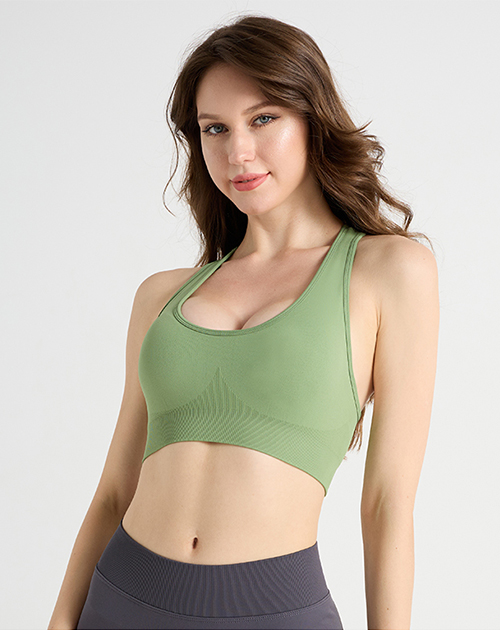
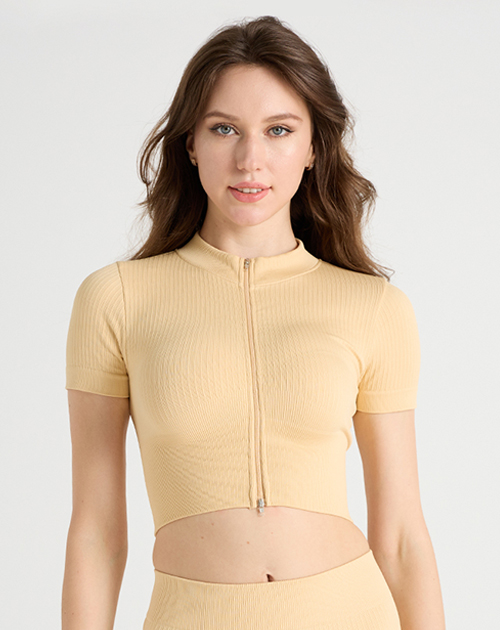
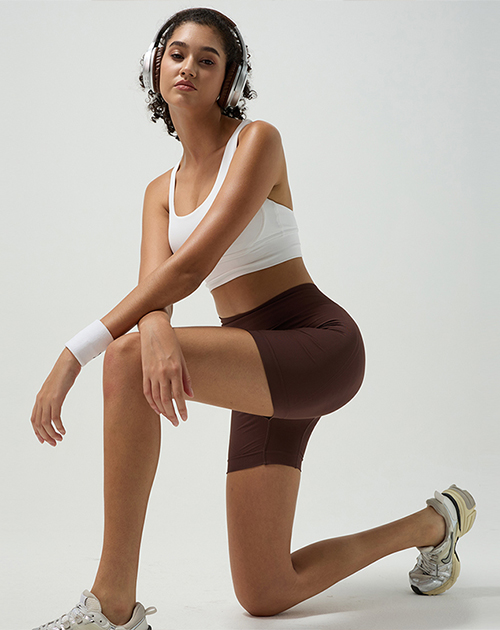
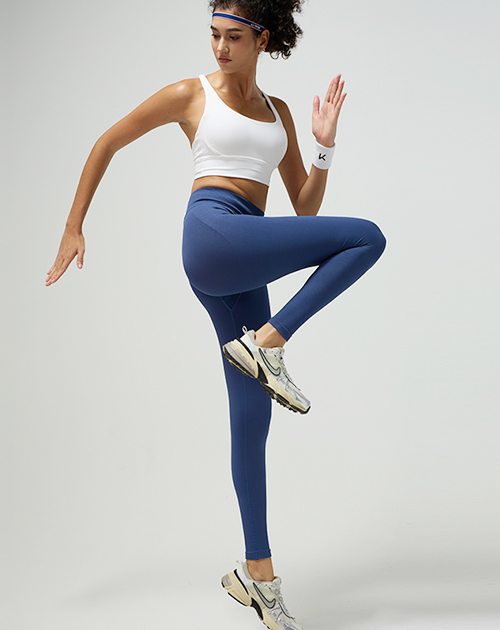
Sportswear now shows up in everyday wardrobes. Many people want clothes that feel good during exercise but also slot easily into a normal day. The tennis skirt is a good example. It's light, flexible and neat-looking, so it suits more than one setting.
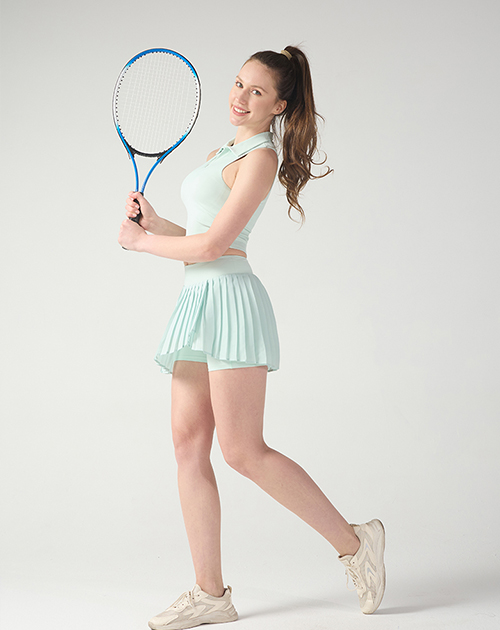
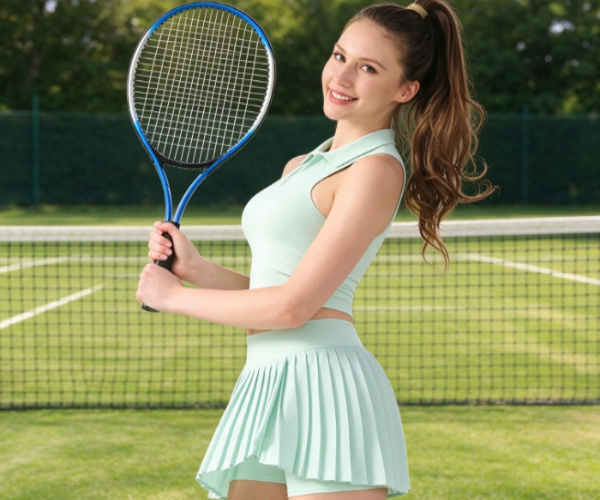
Mint green adds a fresh, relaxed note. It softens sportswear without making an outfit look too formal or heavy. Pair the skirt with an athletic top for the court, or with a casual shirt and everyday shoes for a laid-back look.
Wearing one garment for different occasions takes more than a pretty color, though. Fabric, fit, construction and styling all decide whether a tennis skirt can move comfortably between sport and daily life.
For brands, retailers and manufacturers, that versatility opens up product opportunities. A skirt designed for more than one setting can appeal to customers who like practical clothing and flexible styling.
The tennis skirt began as court clothing. Its design lets players move freely while keeping a tidy, recognizable athletic look. Over time it has spread into activewear collections and casual styles.
Part of the reason is a taste for versatile clothing. People may want one piece for exercise, outdoor activities, shopping or informal get-togethers. Rather than changing a whole outfit after a workout, they tweak a few details and get a different look.
The tennis skirt suits this habit because it pairs a sporty shape with a simple silhouette. With a fitted sports top it looks athletic. With a loose T-shirt or light sweater it turns relaxed.
Several design features help:
Still, not every tennis skirt fits every situation. A garment built mainly for competitive play may have details that feel out of place in casual settings. Fabric, waistband, length and overall styling all affect how easily it adapts.
Color shapes how a garment combines with other pieces and whether it feels right for an occasion.
Mint green looks soft and pairs well with many common colors. Next to darker athletic shades, it gives an outfit a lighter, more relaxed feel. It also gives shoppers who want sportswear with some visual variety another option.
On a tennis skirt, mint green balances athletic and casual styling. With a white sports top you get a clean, court-inspired look. With a gray T-shirt or a loose cream shirt it becomes part of a simple everyday outfit.
It also works across several styling directions.
| Color Combination | Suggested Styling | Suitable Occasion |
|---|---|---|
| Mint Green and White | Sports bra or fitted polo shirt | Tennis and fitness activities |
| Mint Green and Black | Simple athletic top | Training and casual outings |
| Mint Green and Cream | Loose shirt or lightweight sweater | Everyday wear |
| Mint Green and Gray | Basic T-shirt or sweatshirt | Relaxed daily outfits |
| Mint Green and Navy | Polo shirt or fitted top | Sport-inspired casual styling |
Fabric surface changes the effect, too. A matte material gives a simple, understated look. A smooth or lightly textured fabric makes the skirt read more like dedicated sportswear.
Customers who like softer colors in their activewear may be drawn to mint green. Even so, color should be weighed together with fabric quality and construction. A lovely shade can't stand in for the comfort and practical features a tennis skirt needs.
Fabric is one of the most important choices in designing a versatile tennis skirt. The material has to support movement and stay comfortable during ordinary activities.
In sport, the wearer needs to bend, stretch, walk and change direction without feeling held back. In casual wear, the fabric should stay comfortable through long stretches of sitting, walking and standing.
These needs overlap but aren't the same. Fabric that feels fine in a short workout may not stay comfortable all day. Manufacturers should keep both situations in mind when developing a product for multiple uses.
Stretch and movement
Tennis means quick changes of direction and repeated movement. The skirt needs enough give to follow the body without pulling.
Stretch fabrics help here, and they allow a closer fit without making the wearer feel restricted. For casual use, that flexibility keeps the skirt comfortable when walking and during daily activity.
Breathability
Exercise creates heat and moisture. Breathable materials let air circulate and cut down on discomfort.
That helps outside sport as well. On warm days, light, breathable clothing makes everyday outfits easier to wear.
Softness and skin contact
A tennis skirt may touch the skin directly or sit over other clothing. The fabric should feel good around the waist, hips and legs.
Rough surfaces or badly finished seams can irritate with repeated movement. A soft material makes wearing more pleasant in any setting.
Shape retention
A skirt should keep its intended shape through regular use. If the fabric goes slack or loses its form easily, the garment looks less structured over time.
This matters most for pleated styles. The folds shape the look, so the fabric has to hold the silhouette.
| Fabric Feature | Value for Sports Use | Value for Casual Wear |
|---|---|---|
| Stretch | Supports flexible movement | Makes walking and sitting more comfortable |
| Breathability | Helps manage heat during activity | Supports comfort in daily use |
| Softness | Reduces uncomfortable skin contact | Improves all-day wearability |
| Shape retention | Helps maintain the garment's structure | Keeps the skirt looking neat |
| Lightweight construction | Reduces a heavy feeling during movement | Creates an easy, relaxed outfit |
Factories should judge materials against the intended design. A skirt for frequent sport may need different fabric traits from one made mainly for fashion. A versatile style has to balance both sets of needs.
The overall design decides whether a mint green tennis skirt looks right in different places. Small details change both the look and the feel of wearing it.
Pleats are a hallmark of many tennis skirts. They add movement and a traditional athletic look. Depending on fabric and styling, they can also give a playful everyday feel.
A-line skirts are another option. Their simple outline pairs with fitted or loose tops, and customers who prefer less detail may like it.
The waistband matters too. A comfortable one keeps the skirt in place during activity. If it's too tight or leaves visible pressure marks, longer wear becomes uncomfortable.
Other details also affect how the skirt works across occasions.
Built-in shorts
Many tennis skirts have inner shorts. They add coverage and comfort during sport, and they make the skirt more practical for walking, cycling and other active routines.
Skirt length
Length affects movement and personal style. A sports design should allow easy movement with suitable coverage. For casual wear, customers may think about how the length works with different tops and shoes.
Pocket placement
Some skirts have pockets for small items or sports accessories. They shouldn't get in the way of movement or distort the shape of the garment.
Seam construction
Seams need to stay comfortable during activity. Bulky or badly placed ones can cause friction, especially around the waist and inner shorts.
Overall silhouette
A simple silhouette is easier to style. Too many decorative touches can make a skirt look specialized, while cleaner shapes work with more outfits.
For manufacturers, the task is to combine these features without overcomplicating the garment. Each detail should have a clear purpose, whether comfort, function or appearance.
A tennis skirt fits into many sports outfits. The styling should support movement and look balanced.
For tennis, a fitted sports top or athletic polo is the natural pick. Those pieces echo the skirt's sporty character and make the outfit look coordinated. White, black and navy all work well beside mint green.
A sports bra can suit training sessions. Worn with a skirt that has inner shorts, it makes a light outfit for warm weather and outdoor exercise.
For other fitness activities, a fitted T-shirt or sleeveless athletic top is a practical match. The choice depends on the activity, personal comfort and how much coverage the wearer wants.
Some useful combinations:
Footwear should suit the activity. Tennis shoes are right for the court, while everyday sneakers can do for walking and casual exercise. Accessories shouldn't get in the way or become a nuisance during training.
The aim is clothing that supports the activity, not just looks good. A skirt that matches beautifully but restricts movement isn't right for sport.
With a few simple changes, a tennis skirt slides into casual fashion. The idea is to tone down the athletic formality and aim for a relaxed outfit.
A basic T-shirt is the easy route. White, gray, cream and black all complement mint green. Tuck it in for a cleaner line or leave it loose for a more casual feel.
Light sweaters and sweatshirts suit cooler weather. They soften the look and contrast with the skirt's sporty shape.
Oversized shirts also work. Their relaxed fit balances the shorter, more structured shape of many tennis skirts, which is handy for casual outings, shopping or meeting friends.
| Casual Styling Option | Suggested Clothing | Overall Appearance |
|---|---|---|
| Simple everyday look | White T-shirt and sneakers | Clean and relaxed |
| Soft casual outfit | Cream sweater and simple shoes | Comfortable and understated |
| Sport-inspired streetwear | Oversized graphic T-shirt and sneakers | Youthful and informal |
| Light summer outfit | Sleeveless top and casual sandals | Easy and relaxed |
| Layered casual style | Lightweight jacket and basic shirt | Suitable for changing weather |
Accessories can shift the impression. A small shoulder bag, a plain cap or a casual backpack complements the outfit without making it look dressy.
Keep the skirt's color part of a balanced mix. Mint green with too many bright colors can look busy, while neutrals keep things coordinated.
Construction counts for everyday wear as well. A skirt with a comfortable waistband, practical inner shorts and a simple silhouette is easier to wear all day than one built only for court performance.
In photos, tennis skirts can look alike. Fabric feel, fit and construction make the real difference in wear. Shoppers should think about how they plan to use the garment before choosing.
Anyone planning to wear it for both sport and casual use should treat versatility as part of the decision.
Fit and comfort
The waistband should sit comfortably without too much pressure. The skirt should allow natural movement around the hips and legs. Shoppers should also check whether the inner shorts give the coverage they like.
Fabric feel
The material should suit the planned activities. A soft, flexible fabric can work for both sport and daily wear. It's also worth checking that it doesn't feel heavy or restrictive.
Color appearance
Mint green ranges from pale, muted shades to brighter tones. Check how the real color looks in natural light and whether it goes with the rest of your wardrobe.
Length and coverage
The right length depends on comfort and use. A skirt for tennis may call for different coverage from one worn mostly for casual outings.
Care requirements
Sportswear often needs frequent washing, especially after exercise. Read the care instructions and consider whether the fabric suits your usual laundry routine.
Construction details
Check seams, hems, waistbands and inner shorts for comfort and neat finishing. These details shape how the garment feels over repeated use.
A simple table can organize the points:
| Selection Factor | What to Look For |
|---|---|
| Fit | Comfortable waist and suitable body coverage |
| Fabric | Softness, flexibility and breathability |
| Color | A mint green shade that matches personal styling preferences |
| Length | Suitable coverage for sports and casual activities |
| Inner Shorts | Comfortable construction and practical coverage |
| Care | Clear washing and maintenance instructions |
| Finishing | Neat seams, hems and waistband construction |
As sportswear and casual clothing overlap more, manufacturers have room to serve different customer needs. A versatile tennis skirt still takes careful planning. It shouldn't just bolt decorative details onto athletic features. The design has to make sense in both settings.
Development usually starts with the intended customer and use. A skirt for regular tennis practice may focus more on movement, coverage and fabric flexibility. A style meant for everyday fashion may put color, silhouette and outfit coordination first.
A product meant for both has to balance those demands.
Material development
Manufacturers should choose fabrics to match the garment's use. Stretch, softness, breathability and shape retention all shape the final product.
Material samples let the development team assess the fabric before bulk production. They also serve as a reference for checking that the finished garment matches the intended feel and look.
Pattern and sample development
Pattern design sets the shape and fit. Manufacturers need to consider the waistband, skirt panels, inner shorts and overall proportions.
Sampling lets the team review these details before larger production starts. The sample can be checked for movement, comfort and appearance with different kinds of tops.
Color management
Mint green is a visible part of the product's identity, so factories must keep fabric color steady across batches.
Approved color samples give material inspection a reference. That reduces visible differences between individual garments and between repeat orders.
Production quality control
Cutting, sewing and finishing should follow clear product requirements. Inspections can focus on seam alignment, waistband construction, garment shape and inner-short attachment.
The finished product should also be checked for loose threads, uneven hems, stains and other visible defects.
Communication with buyers
For brands and wholesale buyers, clear communication matters throughout development. Manufacturers need to know the target market, preferred fit, fabric traits, color expectations and packaging requirements.
An approved sample gives both sides a shared reference before bulk production. Any later changes should be reviewed and passed on to the relevant production teams.
| Development Stage | Main Consideration | Product Benefit |
|---|---|---|
| Material Selection | Stretch, softness and breathability | Supports comfort across different activities |
| Pattern Development | Fit, shape and coverage | Creates a wearable silhouette |
| Sample Review | Movement and everyday styling | Helps evaluate versatility |
| Color Management | Consistent mint green appearance | Supports product uniformity |
| Production Control | Sewing and finishing quality | Reduces construction differences |
| Buyer Communication | Clear product requirements | Helps align manufacturing with market needs |
For a tennis skirt to work in sport and casual settings alike, its look and its function have to support each other. Mint green offers flexible styling, while thoughtful fabric choice, comfortable construction and practical design details decide how well the garment fits into different parts of daily life.
Copyright © Jinhua Yongxing Knitting Co., Ltd.
 Seamless Yoga Sets


 English
 русский
 Español