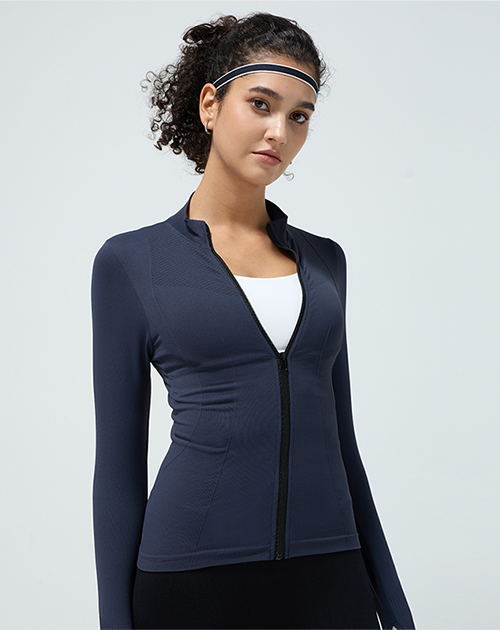
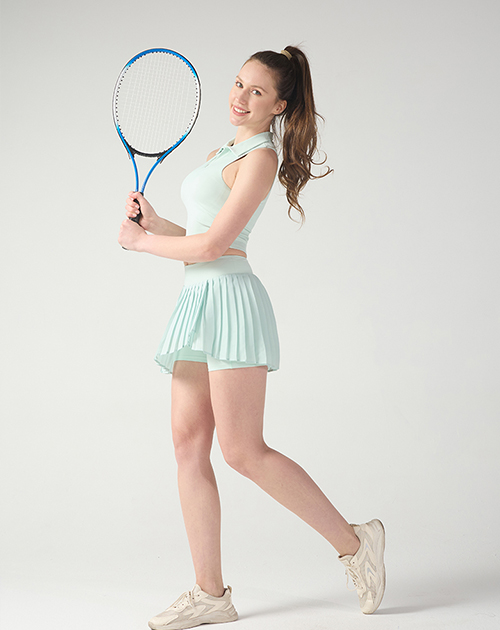
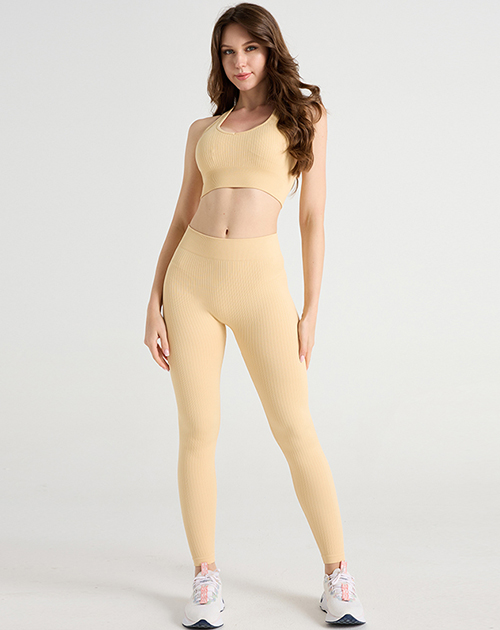
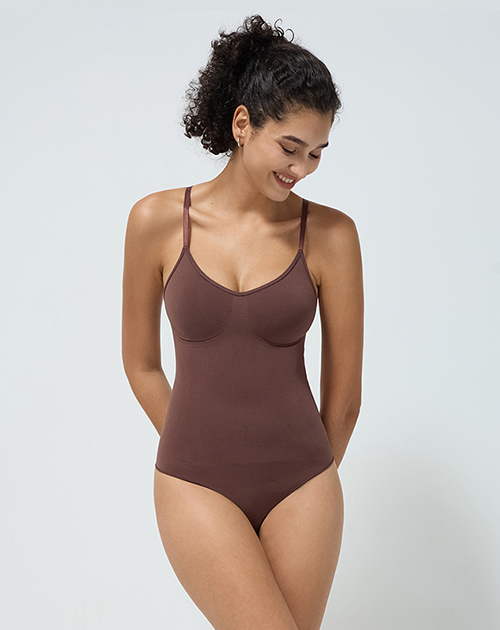
Yoga wear has a lot to do at once. It should feel comfortable, move freely, sit naturally on the body and hold up through repeated use. Customers notice the fabric, stitching, shape and finish the moment they try a garment on. Even small differences between pieces can change how it feels to wear.
For a factory, consistent quality is never a one-off task. A final check before shipment isn't enough. Every stage shapes the result, from choosing fabric and developing patterns to cutting, sewing, inspection and packing.
Brands and wholesale buyers care about this too. They expect items in one order to look, fit and feel alike. When one batch differs noticeably from the last, complaints follow and repeat orders suffer.
A dependable quality management process narrows those differences. It also shows buyers how garments are made and checked. So how do yoga wear factories keep quality steady from start to finish?
Yoga wear is tied to comfort and movement. Unlike some casual clothing, it has to cope with stretching, bending and twisting. A garment that looks good but feels restrictive won't meet the wearer's expectations.
Quality also shapes how people see a brand. When leggings, sports bras and tops share consistent sizing and finishing, customers trust the next purchase more. They know what they'll get from the same collection.
For manufacturers, consistency comes down to production management. One order may include several styles, colors and sizes, and each variation adds a chance for differences to creep in. Without clear procedures, workers may handle similar garments in different ways.
Several aspects make consistency especially important:
Quality control, then, is about more than catching bad pieces. It helps a factory build a stable process it can repeat from batch to batch.
Fabric is one of the biggest factors in yoga wear quality. It affects comfort, stretch, breathability, appearance and performance. Two garments with the same design can feel very different if their fabrics differ.
Factories need to choose materials to suit the product and its use. Leggings, sports bras, tops and light jackets each ask for different fabric traits. A material that works for a loose training top may not give the support expected from fitted leggings.
When choosing materials, manufacturers usually weigh several factors.
Stretch and recovery
Yoga clothing has to move with the body. The fabric should stretch during activity and return to its shape under normal wear. If it loses shape easily, the garment may turn loose or uncomfortable after repeated use.
Softness and skin contact
Many yoga garments sit directly on the skin. A rough surface can spoil the experience, so factories need to consider texture and how the fabric feels in motion.
Breathability and moisture management
Exercise means sweat, so breathability matters. Fabrics that let air move through can make a workout more comfortable.
Color consistency
Color should stay the same across one production order. Differences between fabric batches show up when garments are placed side by side. Large panels and matching sets make this especially obvious.
Fabric stability
Some materials can change shape or look during handling, cutting, sewing or washing. Factories need to understand these tendencies before production starts.
A practical fabric inspection process can catch problems before the material reaches the line.
| Fabric inspection area | What factories need to check | Possible quality concern |
|---|---|---|
| Surface appearance | Texture, marks and visible defects | Uneven garment appearance |
| Color | Consistency across fabric pieces | Differences between finished products |
| Stretch | Response during movement | Restricted comfort |
| Recovery | Ability to return to shape | Loose or distorted garments |
| Fabric condition | Surface stability and general quality | Changes after handling or washing |
Factories should also keep clear material records. When a product is reordered, those records tell the production team which materials went into earlier batches. That lowers the risk of surprise changes in feel, look or performance.
Pattern making directly affects fit. Leggings can use good fabric and neat stitching and still cause trouble at the waist, hips, knees or ankles if the pattern is off.
The same goes for sports bras and fitted tops. Their patterns must account for body shape, garment structure and the support they're meant to give. If proportions aren't properly developed, the finished piece can feel tight in some places and loose in others.
Factories keep consistency by setting clear pattern standards before bulk production begins.
Why does pattern accuracy matter?
A pattern is the reference for cutting and sewing. If workers use different versions or make unapproved tweaks, finished garments will vary.
Factories can lower this risk by keeping approved pattern files and physical samples. Production teams should be able to find the right version for each style. Any change should be reviewed and recorded before it reaches the line.
How should factories manage size differences?
Size grading adapts one design to different bodies. It isn't just a matter of adding or subtracting the same amount from every measurement.
Different parts of a garment need different adjustments. Waistbands, bust areas, shoulders and leg openings each have their own fit needs.
A size management process should include:
Why are fit samples necessary?
A sample lets the factory check the real garment before large-scale production. It shows issues that a drawing or pattern may hide.
A waistband might roll during movement, for example, or a sports bra might not cover as expected. A fitting reveals these things while changes are still easy to make.
For brands and wholesale buyers, an approved sample also becomes a shared reference. Both sides can use it to judge the look and fit of later batches.
Cutting and sewing turn fabric and patterns into finished garments. These steps repeat constantly, so small differences can become obvious across a large order if procedures aren't consistent.
Cutting accuracy is vital for fitted yoga clothing. Fabric pieces must follow the intended pattern shape. Uneven cutting means sections may not line up during sewing.
Fabric handling counts too. Some stretch materials shift or distort during cutting, so workers need to handle them carefully to keep each piece true to shape.
Sewing quality affects the finished product just as directly. Seams must hold the garment together yet allow enough give for movement. Poorly formed seams can cause discomfort, visible flaws or early wear.
Factories generally watch these areas:
Seam alignment
Matching fabric sections should be joined in the right position. Misalignment hurts both appearance and fit.
Stitch consistency
Stitches should look even and secure. Loose threads, skipped stitches and uneven sewing lower overall quality.
Elastic attachment
Waistbands, cuffs and other elastic sections need to be attached evenly. If tension varies across the garment, the shape can turn irregular.
Edge finishing
Necklines, armholes, leg openings and waist edges need a neat finish. Rough or uneven edges can affect comfort and looks.
Reinforcement in stress areas
Some parts of a garment get pulled more during movement. Factories need to consider these areas when choosing sewing methods and checking seam strength.
A clear sewing process helps workers follow the same construction rules. It also lets supervisors spot recurring problems and adjust methods before defects spread through an order.
An approved sample doesn't guarantee that every garment in a bulk order will match. Large orders involve many workers, machines, fabric pieces and stages. Without steady monitoring, quality can drift.
So yoga wear factories often split quality control into several inspection stages, each aimed at a different kind of problem.
| Production stage | Main inspection focus | Purpose |
|---|---|---|
| Incoming materials | Fabric condition, color and general consistency | Identify material issues before production |
| Cutting | Pattern accuracy and fabric handling | Reduce differences between cut pieces |
| Sewing | Stitching, alignment and construction | Detect problems during assembly |
| In-process inspection | Garment shape and workmanship | Correct repeated production issues |
| Finished garment inspection | Appearance, fit and finishing | Check the completed product |
| Packing inspection | Product identification and packaging condition | Prevent order and packing errors |
In-process inspection is particularly useful because problems get fixed while production is still running. If several garments show uneven waistbands, supervisors can look at that sewing step right away instead of waiting until the whole order is done.
Factories can also use approved samples as reference points. Workers and inspectors can check whether bulk products match the agreed look, construction and fit.
Clear communication between departments matters as well. Material teams, pattern makers, cutters, sewing operators and inspectors all need to understand the same product requirements.
Without good information sharing, one department may fix a problem while another keeps following an outdated instruction. Production records and clear work instructions prevent that.
Careful material selection and production monitoring still don't catch everything. Finished product inspection gives one more chance to find defects before garments are packed and shipped.
This stage needs more than a quick glance. Inspectors should examine the garment as a whole and consider how its parts work together.
A yoga garment can look fine lying flat on a table and still show problems when worn. The waistband may not sit right, the fabric may twist, or the seams may feel uncomfortable in motion.
A useful inspection can cover several areas:
Factories may also run wear or wash checks where relevant. These can reveal changes in shape, color or surface condition that a basic visual check would miss.
Inspection results should be recorded, not treated as isolated notes. If the same problem keeps appearing, the factory can trace its cause and adjust the right production stage.
That approach keeps the same defect from showing up again in later orders.
Equipment and written procedures matter, but the people on the line shape quality too. Workers need to understand each garment's construction requirements and know how to spot common problems.
Yoga wear often mixes fabric types and garment structures. Someone used to loose casual clothing may need extra guidance on stretch leggings or fitted sports bras. How fabric is positioned, handled and sewn affects the final shape.
Regular training helps workers build consistent habits. It can cover fabric handling, cutting procedures, sewing techniques, defect spotting and communication at work.
Supervisors play a big part as well. They watch daily operations, review samples and help settle issues between departments.
A well-run factory usually relies on several supporting practices:
Standard work instructions
Every product should have clear production instructions. Workers should know the required construction details and finishing expectations.
Training for new styles
When a new design enters production, workers need time to learn its structure. A short production review can cut mistakes in the early stages.
Regular process checks
Supervisors should monitor recurring operations instead of leaning only on the final inspection. This catches changes in workmanship as they happen.
Clear communication
Production teams need current product information. Changes in patterns, materials or construction should reach the relevant departments.
Defect records
Factories can log common defects and their causes. Those records reveal patterns and guide future training.
Training is never a one-time event. As designs and materials change, production teams have to update what they know and how they work.
For clothing brands, importers and wholesale buyers, understanding a factory's quality management is a key part of supplier evaluation. Photos and sample garments show how an item looks, but not how it's made.
Buyers should ask how the factory manages quality from material sourcing to final shipment. The answers say a lot about its organization and its ability to stay consistent across orders.
These questions can guide the evaluation:
| Evaluation area | Questions buyers can ask |
|---|---|
| Material sourcing | How are fabrics selected and inspected before production? |
| Sample development | Can the factory provide samples for fit and construction review? |
| Pattern management | How are approved patterns and size specifications maintained? |
| Production control | Are products checked during cutting and sewing? |
| Quality inspection | What does the finished garment inspection cover? |
| Defect management | How are production problems recorded and corrected? |
| Order communication | How are product changes and buyer requirements shared with workers? |
| Reorders | How does the factory maintain consistency between different orders? |
Buyers should also note how the factory handles feedback. A good manufacturing partner can explain how it reviews product concerns and communicates possible adjustments.
For custom yoga wear projects, confirm the approved sample, fabric choice, color, size chart, labels and packaging requirements before bulk production begins. Those details give buyer and manufacturer a common reference.
A factory's ability to keep quality steady depends on how well its processes fit together. Fabric inspection can't make up for inaccurate patterns, and careful sewing can't fully fix problems caused by unsuitable materials. Each stage plays its part in the finished garment.
When material management, pattern control, worker training, production inspection and buyer communication work as linked parts of one system, yoga wear factories can cut unnecessary variation and deliver more predictable quality from order to order.
Copyright © Jinhua Yongxing Knitting Co., Ltd.
 Seamless Yoga Sets


 English
 русский
 Español