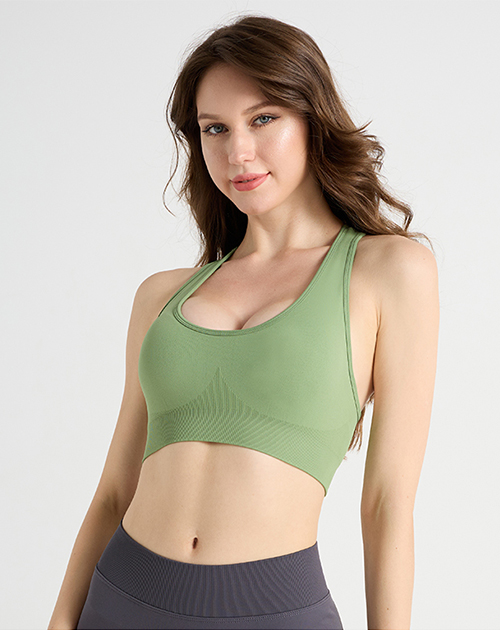
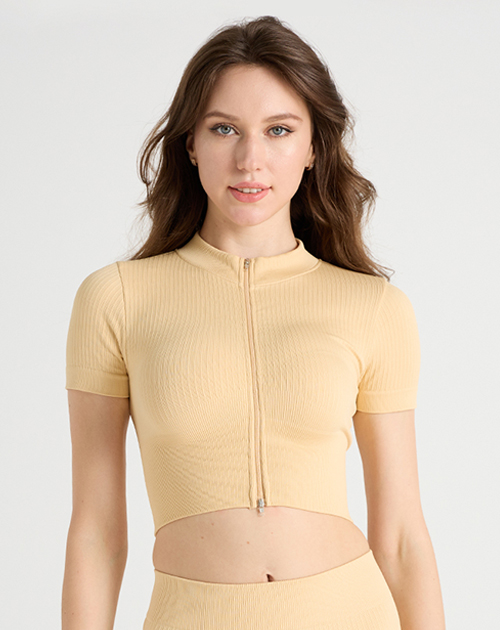
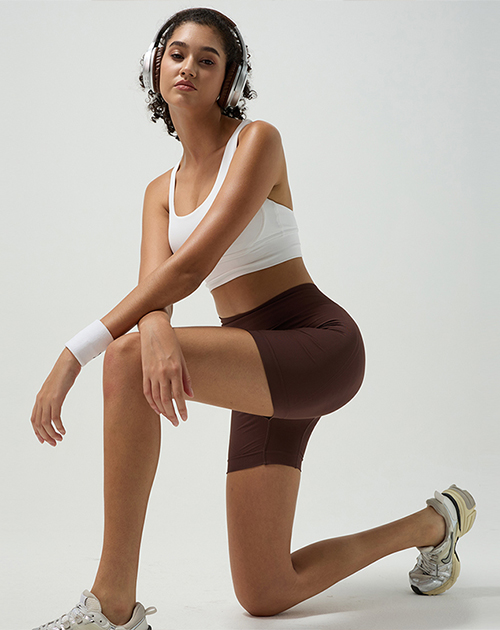
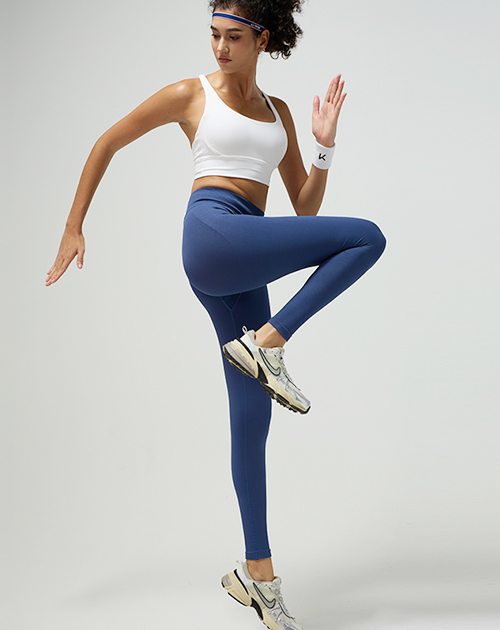
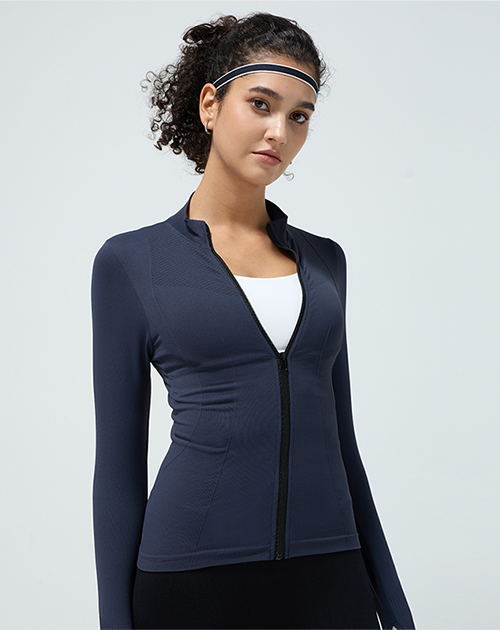
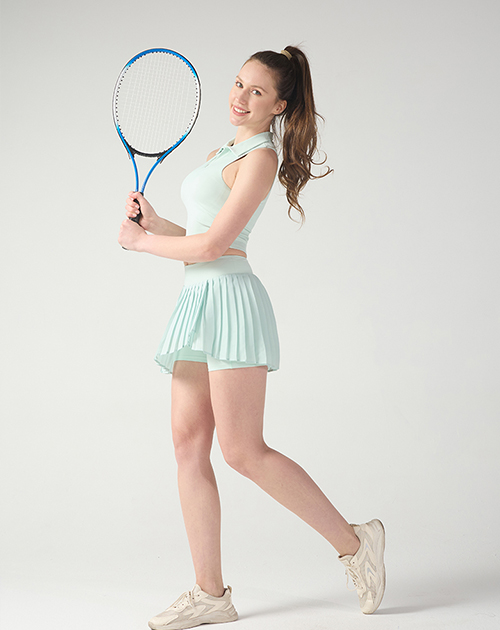
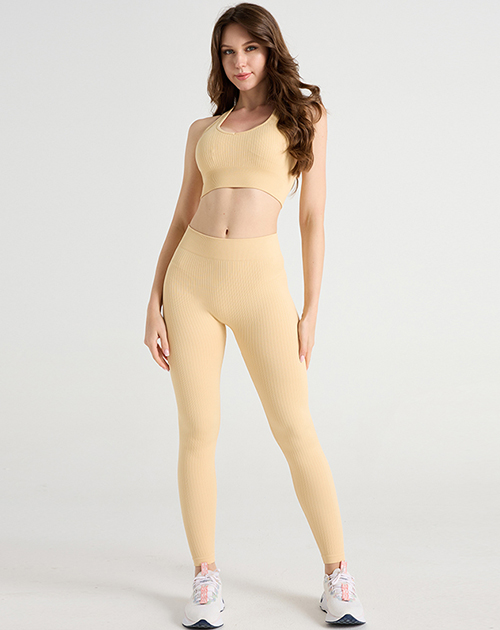
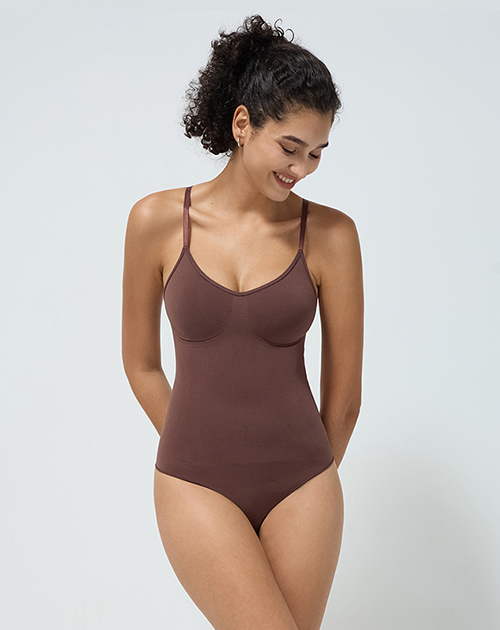
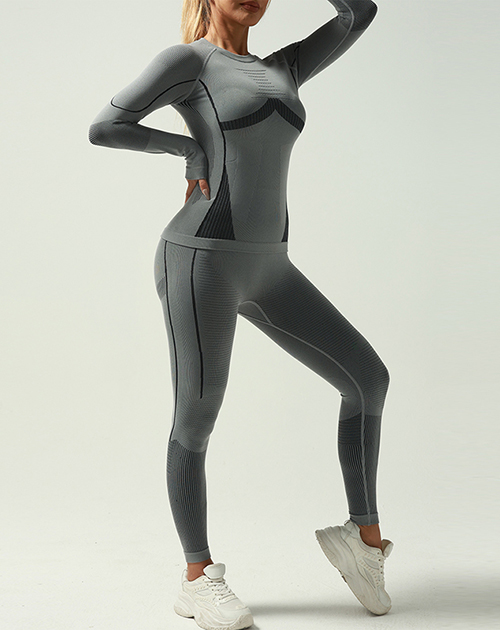
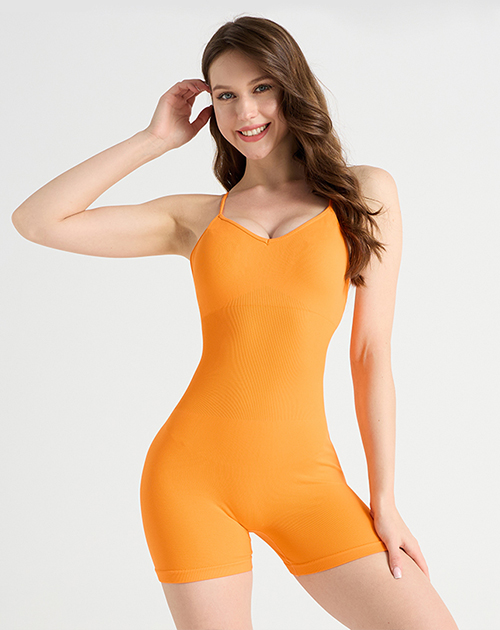
Seamless sportswear has become an interesting part of modern clothing design. It isn't limited to gym sessions or organized workouts anymore. People wear seamless leggings, tops, shorts and other activewear for daily errands, relaxed weekends, travel and social plans. The shift reflects a broader change in how people think about clothing. They want garments that feel comfortable in motion and fit naturally into different parts of the day.
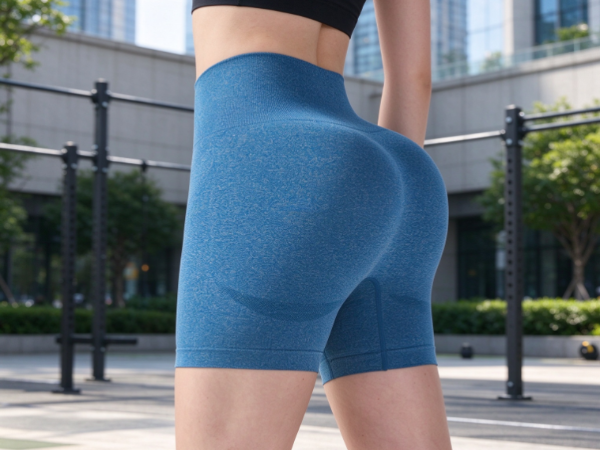
For fitness enthusiasts, seamless sportswear offers a practical way to dress for exercise. Its construction cuts down on traditional stitched seams, and stretch-friendly fabrics let the body move more freely. Casual wearers are drawn to a different set of benefits. They like the smooth look, the flexible fit and the simple styling that works with everyday outfits.
The two groups have different priorities, yet they share one expectation: clothing should support their activities without making them feel restricted. Seeing that shared appeal explains why sportswear has earned a place in both fitness culture and everyday fashion.
Comfort means different things to different people. Someone doing a strength workout wants clothing that stays put through repeated movements. A person spending the afternoon walking around town cares more about softness and an easy fit. Sportswear meets both needs through its construction and fabric choices.
Traditional garments often rely on several fabric panels joined by stitched seams. Seamless designs cut the number of these joins in selected areas. That gives a smoother surface against the skin and helps reduce rubbing during movement. The actual experience still depends on the garment's construction, fabric, fit and finishing.
For fitness enthusiasts, this matters when exercises involve bending, stretching or repeated changes in position. Clothing that rubs the skin becomes a distraction mid-workout. A smoother interior surface makes movement feel more natural, especially in activities with frequent contact between body and garment.
Casual wearers feel comfort differently. They spend hours sitting at a desk, commuting, shopping or meeting friends. Clothing has to handle these changing positions without constant adjustment. Stretchable materials and carefully placed garment structures supply that flexibility.
Fewer seams don't automatically mean more comfort, though. Tight waistbands, rough fabric, badly placed compression zones or the wrong size still cause discomfort. A well-designed garment considers the entire wearing experience. Seam reduction alone isn't the point.
This broader approach explains why seamless sportswear appeals to people with different routines. Its value lies in how the garment feels and functions all day, not just in how it's made.
Exercise puts different demands on clothing than ordinary daily activity. A fitness enthusiast moves from squats to lunges, stretches or short bursts of cardio within one session. Each movement changes how the fabric stretches across the body. Garments need to follow these movements without adding needless resistance.
Sportswear uses integrated knitted structures to provide stretch and support in different areas. Depending on the design, some sections feel softer while others give a closer fit. That lets designers build movement patterns into a garment.
Yoga clothing, for example, has to handle deep stretches and changes in posture. A smooth waistband and flexible fabric help the garment move with the wearer. Running and gym training call for a different balance, with attention to garment stability and coverage during more vigorous movement.
The same design features serve people who don't exercise regularly.
Picture someone walking through a busy shopping district. They climb stairs, sit on public transport, carry bags and walk for long stretches. Clothing that moves comfortably with the body makes these ordinary activities feel less restrictive.
Travel is another example. Long journeys mean sitting for hours, then walking through stations, airports or unfamiliar streets. Flexible activewear beats clothing that feels restrictive after hours of wear.
The appeal lies in adaptability. Sportswear supports structured exercise without being confined to it. When a garment feels right for both movement and rest, it slips easily into a varied lifestyle.
Still, different activities need different design decisions. A garment made for gentle stretching won't give the support or coverage vigorous training demands. Knowing the intended use stays important when choosing seamless activewear.
Appearance plays a real role in everyday clothing choices. People want garments that feel comfortable, and they also want to feel confident wearing them outside the gym. Sportswear has gained attention partly because its surface and shape create a clean, understated look.
With fewer visible stitched joins, some garments have a smooth appearance that suits simple outfits. Plain leggings, fitted tops and coordinated sets pair well with loose shirts, lightweight jackets, sweatshirts or casual footwear. The result feels relaxed without looking like the wearer just left a workout.
Texture shapes the look as well. Ribbed sections, subtle knitted patterns and changes in fabric structure add visual interest without bold graphics or elaborate decoration. These details make a garment look considered while keeping it easy to combine with other pieces.
Fit matters too. Seamless garments often use stretchable materials that follow the body's shape. Some people enjoy this close-fitting style, while others prefer a looser silhouette. The category includes different cuts and levels of coverage, so it doesn't have to mean highly fitted clothing.
Color choices widen the styling options. Neutral shades work with a wide range of everyday pieces, and brighter colors add energy to a casual outfit. Matching sets give a coordinated appearance, but individual items also mix with clothing already in the wardrobe.
For casual wearers, the draw isn't necessarily a wish to look athletic. It's often just a preference for clothing that pairs a relaxed appearance with practical comfort.
This is where sportswear meets broader casual fashion. The garment becomes part of an everyday outfit instead of a piece saved for one activity.
The boundary between sportswear and casual clothing has blurred. Many people move between work, exercise, social plans and personal errands without changing their whole outfit. Clothing that handles these transitions offers practical value.
Sportswear fits this pattern because its design combines movement-friendly construction with familiar everyday silhouettes. A pair of seamless leggings works for a fitness class and later goes under an oversized sweater. A simple athletic top layers under a casual jacket for a walk or an informal meeting.
The key is how each item is styled and whether it suits the setting. Activewear built for intense training has features that look too sporty for certain social occasions. More understated designs give greater flexibility across different environments.
Three everyday situations show this versatility well.
This versatility also changes how people organize their wardrobes. Instead of buying separate clothing for every part of the day, some consumers prefer items they can style several ways. That doesn't mean every garment must serve every purpose. It means individual pieces offer more than one practical use.
For designers, this opens the chance to weigh performance and appearance together. Details such as pocket placement, waistband design, fabric opacity and the overall silhouette decide whether a garment feels right beyond the gym.
A design that looks attractive but lacks coverage won't work well for exercise. A garment that performs well in training but looks overly specialized is less appealing for everyday wear. Balancing these needs takes a clear view of how people actually use their clothing.
A garment's seamless construction gets most of the attention, but fabric and fit shape the wearing experience just as much. Two seamless garments look similar and still feel quite different against the skin.
Fabric softness is one factor. Materials with a smooth hand feel appeal to people who wear activewear for long periods. Stretch and recovery matter too. The fabric should let the body move while helping the garment keep a suitable shape in normal use.
Breathability influences comfort during exercise and in warm weather. A garment that traps too much heat or moisture feels unpleasant during extended activity. Casual wearers notice these qualities on a long walk or a busy day, even without strenuous exercise.
Opacity is another practical concern, especially for leggings and fitted shorts. Wearers want to bend, stretch or sit without worrying about unwanted transparency. Fabric selection, garment construction and fit all contribute here.
Fit needs the same attention. A garment that's too tight creates pressure around the waist, thighs or shoulders. One that's too loose shifts during movement or fails to give the intended support. The right fit depends on the garment's purpose and the wearer's preferences.
Several factors are worth weighing when selecting seamless sportswear:
| Design factor | Why it matters to fitness enthusiasts | Why it matters to casual wearers |
|---|---|---|
| Fabric softness | Helps reduce distracting friction during exercise | Makes extended wear feel more pleasant |
| Stretch and recovery | Supports repeated movements and helps maintain fit | Accommodates sitting, walking, and everyday movement |
| Breathability | Supports comfort during active sessions | Helps manage warmth during daily activities |
| Coverage and opacity | Helps wearers feel secure during bending and stretching | Supports confidence in different everyday settings |
| Waistband and garment fit | Helps clothing remain stable during movement | Reduces the need for repeated adjustment |
| Surface texture | Can influence how the garment feels against the skin | Adds visual detail and affects the overall appearance |
These factors work together. Soft fabric can't make up for an uncomfortable waistband, and attractive styling can't cover for poor coverage. A garment feels well considered when its elements all serve the same purpose.
Consumers also need to check care instructions. Frequent washing, unsuitable drying methods and rough handling affect fabric feel and shape retention. Following the garment's care guidance helps preserve its intended fit and appearance.
Versatility has practical and personal value. People want clothing that fits their routines without much planning. Sportswear meets this expectation when its design suits several activities and its look works with different wardrobe pieces.
Fitness enthusiasts appreciate clothing that serves more than one training purpose. A flexible top works for stretching, light strength work and everyday walks. Leggings designed for exercise also suit travel or relaxed activities when their fit and styling feel right.
Casual wearers value versatility for other reasons. Someone who prefers simple clothing picks a seamless top because it pairs easily with jeans, joggers or shorts. Another person uses activewear as a comfortable option for working from home, running errands or spending time outdoors.
Lifestyle shapes these preferences too. People with busy schedules want to move from one activity to another without carrying a change of clothes. Others simply prefer a smaller wardrobe of items that combine in different ways.
There's a cost-conscious side as well. A garment that serves several purposes is more useful than one worn on rare occasions. Value still depends on durability, comfort, care needs and how often the garment actually gets worn. A versatile design isn't a worthwhile purchase if it doesn't suit the wearer.
For clothing manufacturers, these differences call for thoughtful product development. A garment meant for both exercise and leisure must balance practical features with appearance. Too much emphasis on one purpose limits its appeal to the other group.
Knowing the intended consumer is essential. Some people prioritize support during movement. Others put more weight on softness, styling or ease of care. A versatile product responds to several needs, and clear design choices keep those needs from clashing.
Appealing to fitness enthusiasts and casual wearers starts with understanding their shared needs and distinct expectations. Both groups want comfortable clothing, but they don't define comfort, performance or style the same way.
Product development starts from real wearing situations. Designers look at how a garment behaves during stretching, walking, sitting and repeated changes in posture. They also check whether its appearance feels right outside a training environment.
Construction choices need close attention. Seam placement, knitted textures, waistband structure and the distribution of stretch all affect how a garment feels and looks. Reducing traditional seams helps create a smoother surface, but the overall design still has to account for support, fit and durability.
Designers also need to think about body diversity. People differ in proportions, movement patterns and preferences for coverage. A thoughtful range of cuts and fits helps more consumers find garments that suit them. Clear sizing information matters just as much, since the fit of stretchable clothing varies across styles and body shapes.
Visual design widens appeal without making every product look the same. Minimalist colors and understated textures suit casual wearers, while functional details and more athletic styling attract people focused on training. Some garments combine both approaches, as long as the design stays practical.
Consumer feedback surfaces issues that the design process misses. Comments about rolling waistbands, fabric transparency, irritation, garment movement or care requirements show where improvements are needed. These observations count because a garment's real performance depends on how people wear it, not just how it looks in development.
Manufacturers also need to describe product features accurately. Descriptions should explain the garment's intended use, fabric characteristics, fit and care requirements without suggesting that every wearer will have the same experience. Claims about comfort, durability or performance should match the product's actual qualities.
As sportswear keeps crossing between fitness and casual fashion, the opportunity lies in designing clothing that feels relevant to everyday life. Its appeal rests on construction, material, fit and styling working together. When they do, seamless sportswear serves people who approach clothing from different angles but share a desire for garments that move naturally with them.
Copyright © Jinhua Yongxing Knitting Co., Ltd.
 Seamless Yoga Sets


 English
 русский
 Español