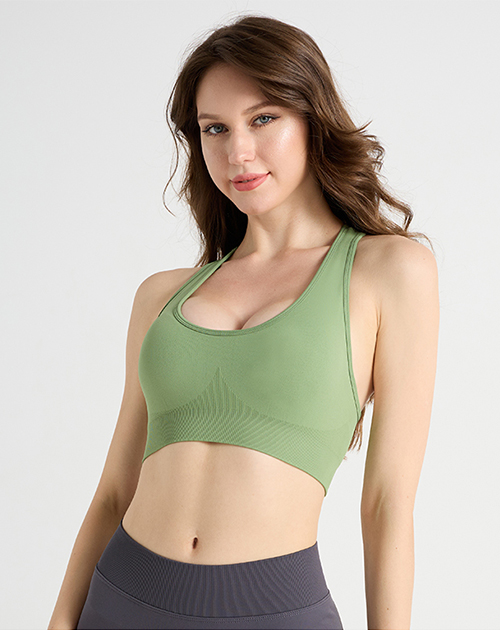
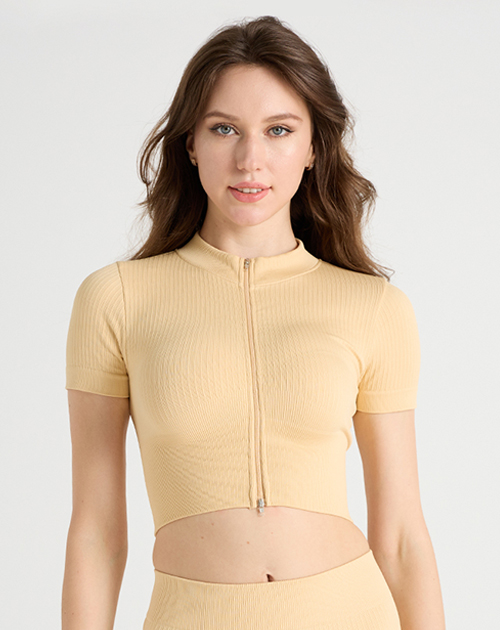
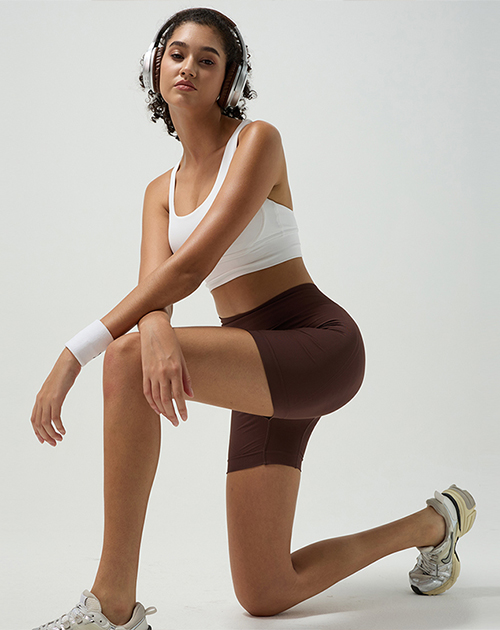
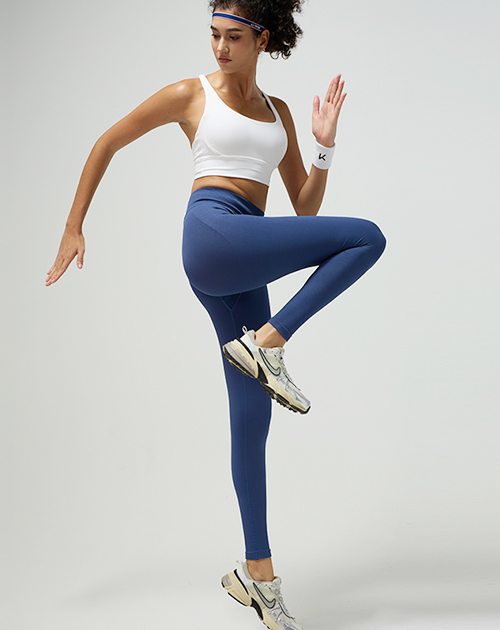
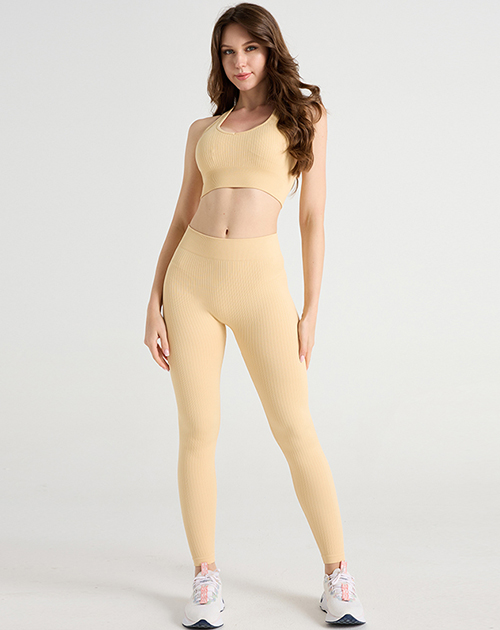
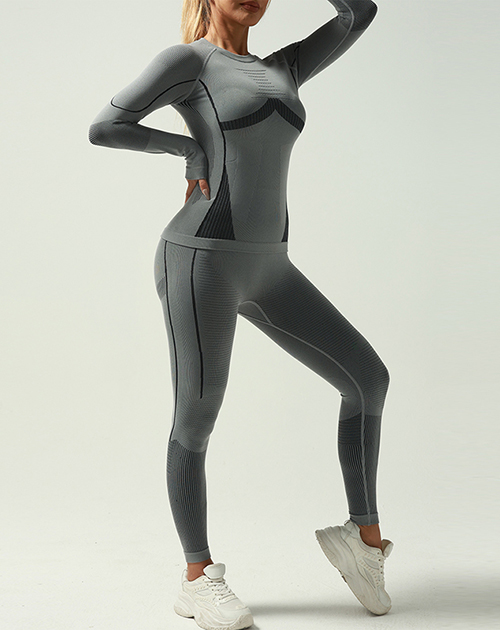
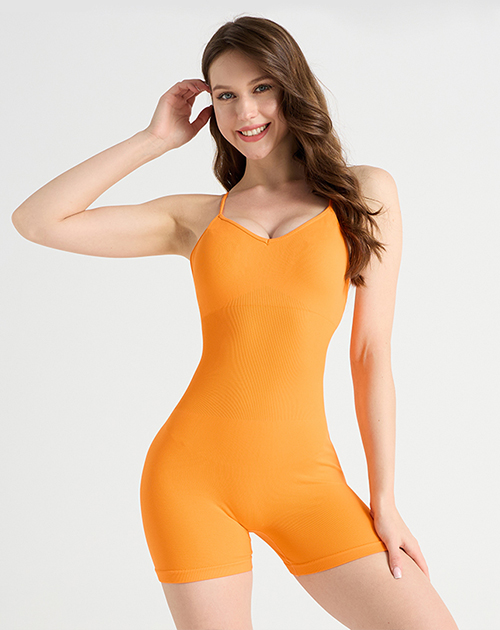
Stretchy seamless leggings are now a familiar part of activewear collections. People wear them for yoga, gym sessions, outdoor activities, travel and everyday outfits. Their appeal comes from flexible movement, a close fit and a smooth look. Those features don't come from the knitting method alone. Fabric composition plays a big part too.
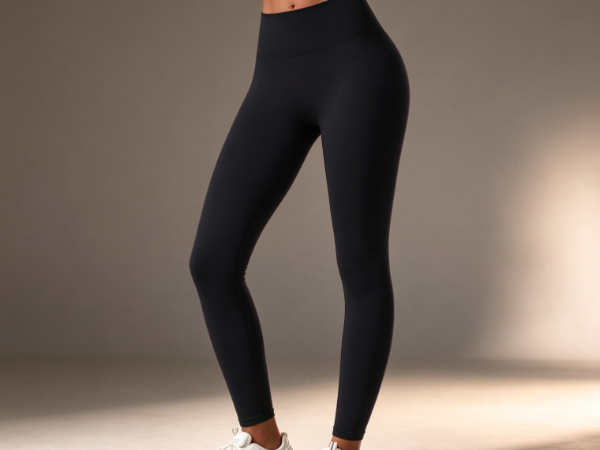
Most stretchy seamless leggings use synthetic fibers such as nylon or polyester, often blended with elastane. Some designs add other fibers or special yarn structures to change the feel, appearance and performance of the finished garment. Each material brings different characteristics, so manufacturers have to think about how the fibers work together.
For clothing brands, wholesalers and product developers, knowing these fabrics makes product selection more practical. The right blend depends on the intended activity, target customers, design goals and expected care requirements. Looking at each fiber's role explains why two pairs of seamless leggings feel very different even when they look alike.
Fabric composition shapes how leggings stretch, recover their shape, feel against the skin and respond to regular use. It also affects moisture handling, surface texture, opacity and care needs.
Seamless leggings are usually produced through knitting processes that create a garment with fewer sewn seams than conventional cut-and-sew leggings. This construction cuts bulky seam lines and lets the fabric structure follow the body's shape. Seamless construction doesn't automatically make a garment soft, breathable or supportive, though. Those qualities depend on the yarns, knit structure, garment design and finishing process.
A fabric designed for gentle yoga puts softness and unrestricted movement first. Leggings for demanding workouts need a different balance of stretch, shape recovery, moisture management and coverage. Casual designs lean toward texture, color and how the garment pairs with other clothing.
Manufacturers therefore treat fabric composition as part of a broader product design process. The percentage and combination of fibers matter, but don't judge them in isolation. Yarn quality, knitting density, fabric thickness and garment construction all shape the final result.
For buyers, the fiber names on a label give useful information. They don't tell the whole story. Understanding the main materials is a practical place to start.
Nylon is a common fiber in activewear because it makes fabrics with a smooth hand feel and a close-fitting look. Designers pick it for leggings that need to move comfortably with the body while keeping a refined surface.
In seamless knitting, nylon yarn supports a soft, flexible fabric structure. Depending on the yarn and knitting method, the surface feels smooth or has a more defined texture. That makes nylon suitable for different product styles, from simple training leggings to textured designs for yoga or everyday wear.
Nylon is also valued for its strength and abrasion resistance. These qualities help when garments face repeated movement and contact with exercise equipment or other surfaces. Durability depends on more than the fiber, however. Fabric construction, yarn quality, garment fit and care practices all affect how leggings hold up over time.
Moisture handling is another point to weigh. Nylon absorbs some moisture, and it behaves differently from other synthetic fibers. How a nylon fabric feels during exercise depends on the full fabric structure, including its thickness and any blended fibers.
Nylon is often combined with elastane for greater stretch and recovery. This blend gives a close fit without making the garment feel rigid. Some manufacturers also mix nylon with other fibers to adjust softness, texture or production characteristics.
For brands developing seamless leggings, nylon is worth considering when a smooth touch, flexible fit and surface durability matter. Still, base the final choice on the intended use and an evaluation of the finished fabric. The fiber name alone won't settle it.
Polyester is another widely used fiber in activewear. Designers choose it for its lightweight feel, durability and ability to support fabrics built for repeated wear. Its properties make it useful across a broad range of seamless leggings, from everyday sportswear to workout clothing.
One characteristic of polyester is low moisture absorption compared with many natural fibers. In suitable fabric constructions, it helps moisture move through the material and spread across the surface, where it evaporates. The actual result depends on yarn design, knit structure, fabric weight and finishing treatments. A polyester garment isn't automatically quick-drying or highly breathable just because it contains polyester.
Polyester also supports a wide range of colors and surface effects. Manufacturers use different yarn forms and knitting patterns to create smooth, ribbed, heathered or textured looks. That flexibility gives clothing brands more options when developing coordinated activewear collections.
In seamless leggings, polyester is often blended with elastane. The polyester provides much of the fabric body, while the elastane adds stretch and helps the garment return toward its original shape after movement. The balance between these fibers shapes how the leggings fit and feel.
Polyester is sometimes combined with nylon or other materials when a design calls for a particular mix of characteristics. More fibers don't automatically make a better fabric. Every added material should serve a clear purpose in the design.
For buyers comparing polyester-based leggings with nylon-based options, the most useful move is to examine the finished product. Touch, opacity, flexibility, moisture behavior and performance during movement vary a lot between fabrics with similar labels.
Elastane, called spandex in some markets, is a highly stretchable synthetic fiber. It's usually blended with other fibers and rarely serves as the main material in leggings. Its key role is to provide elasticity and support shape recovery.
Without enough stretch in the fabric structure, leggings restrict movement or feel hard to pull on and off. Elastane helps the material expand as the wearer bends, squats, stretches or changes position. It also helps the garment return toward its original dimensions once the force is released.
In seamless leggings, this feature supports a close fit around the waist, hips and legs. It adds a feeling of gentle hold, though the level of support depends on the garment's design, knitting structure and overall fit. A fabric containing elastane isn't automatically compressive.
The amount of elastane affects the fabric's feel, but its percentage alone doesn't determine stretch performance. Yarn structure, the way fibers are knitted together and the construction of the garment all count. Two fabrics with similar fiber content respond differently during movement.
Elastane also needs suitable care. Excessive heat and harsh treatment wear down its elasticity over time. Following the garment's care instructions helps maintain its fit and spares the fibers unnecessary stress.
For product developers, elastane matters most when designing leggings that must accommodate a wide range of movement. It works best as part of a fabric system where the main fiber, knit structure and garment pattern complement one another.
Nylon, polyester and elastane are the common choices, but some seamless leggings include other fibers to change the garment's feel or meet a particular design goal.
Cotton appears in selected blends when a softer, more familiar touch is wanted. It feels comfortable in casual clothing, but it absorbs moisture and dries more slowly than some synthetic fabrics. A cotton-rich blend suits relaxed everyday wear better than activities where moisture control is a major concern. Its suitability depends on the knit structure and the wearer's needs.
Polyamide is the broader fiber category that includes nylon. In clothing descriptions, the terms show up in different ways depending on the market and labeling practice. Buyers should check the actual composition. The names don't refer to entirely unrelated materials.
Some products use regenerated or recycled fibers as part of a material sourcing strategy. Recycled nylon and recycled polyester go into suitable yarns, depending on the supplier and product requirements. Including them doesn't by itself establish the environmental impact of the finished garment. Buyers may need information about fiber origin, processing, durability and relevant documentation to understand the material claims.
Manufacturers also use specialty yarns to create particular textures or surface effects. These change the appearance and hand feel of leggings without replacing the core role of the main fibers and elastane.
The table below summarizes the common materials and their typical functions.
| Fiber | Common Role in Leggings | Points to Consider |
|---|---|---|
| Nylon | Smooth feel, flexibility, and abrasion resistance | Surface feel and durability depend on construction and yarn quality |
| Polyester | Fabric body, durability, and moisture-handling options | Breathability and drying behavior vary by fabric design |
| Elastane | Stretch and shape recovery | Performance depends on the blend and knitting structure |
| Cotton | Soft touch in selected blends | Moisture absorption and drying time may affect workout comfort |
| Recycled nylon or polyester | Alternative fiber sourcing for suitable designs | Material claims should be supported by relevant supplier documentation |
The comparison isn't meant to rank the fibers. Each has a different role, and the finished fabric determines how those characteristics work together.
Fiber composition explains part of a fabric's behavior. Knitting structure plays a major role too. Seamless leggings use different stitch patterns and fabric zones to change stretch, thickness, texture and support.
Some designs use ribbed sections around the waist or other areas for a more defined fit. Others use varied knit patterns to add visual interest or alter how the fabric responds to movement. All of this happens while the garment stays largely seamless.
A tighter knit helps coverage, but opacity also depends on yarn thickness, color, fabric tension and how far the material stretches when worn. A fabric that looks opaque lying flat turns more transparent when stretched over the body. That's why finished-garment testing matters.
Knitting structure also influences ventilation. Certain patterns create more open areas that let air move more freely, while denser sections give more coverage or a different level of hold. These features need balancing according to the garment's intended use.
The link between fiber and construction matters most in seamless manufacturing. A yarn that performs well in one knit pattern behaves differently in another. Manufacturers need to assess how the selected materials work with the intended knitting method, garment dimensions and finishing process.
For buyers, asking about fabric structure gives more insight than looking at fiber composition alone. It explains why two leggings made from similar blends differ in coverage, flexibility or surface texture.
No single fiber blend suits every type of seamless leggings. The right choice depends on how the garment will be used, what the wearer expects and how the fabric behaves during movement.
For yoga and stretching, flexibility and comfort usually come first. A soft nylon-elastane or polyester-elastane fabric works when it lets the wearer change positions without feeling restricted. The surface should also stay comfortable during extended contact with the skin.
For gym training, buyers look harder at shape recovery, durability and coverage during repeated movement. A fabric should keep a suitable fit and avoid going loose with use. Garment construction and waistband design contribute to these qualities alongside fiber composition.
For running and other activities that produce a lot of perspiration, moisture handling and drying behavior may matter more. Certain polyester-based fabrics support moisture movement, while other blends offer a different balance of touch and absorption. Evaluate the result in the context of the full garment.
For casual wear, softness, texture, color and ease of styling take priority. A fabric that feels pleasant and works with everyday outfits suits the job, even if it wasn't designed for demanding workouts.
The table below shows how priorities differ by use.
| Intended Use | Fabric Qualities to Consider | Other Design Factors |
|---|---|---|
| Yoga and stretching | Flexibility, soft touch, comfortable recovery | Waistband fit and freedom of movement |
| Gym training | Shape retention, coverage, durability | Reinforcement, fit, and garment stability |
| Running | Moisture handling, comfortable fit, drying behavior | Ventilation and secure waist construction |
| Everyday wear | Softness, surface texture, versatile appearance | Color, styling, and ease of care |
These categories are general guides, not strict rules. A blend that suits one activity often works well for another, as long as the finished garment meets the wearer's needs.
Brands and wholesale buyers should evaluate the fabric as part of the complete garment. A composition label helps narrow the options, but it can't replace a review of fit, feel, construction and performance.
Sample evaluation is a useful step in product development. Buyers check how the leggings feel against the skin, how easily they stretch and whether they recover their shape after movement. Examine the fabric under normal wearing conditions. Judging it only when laid flat misses too much.
Opacity deserves particular attention. Check whether the material gives the expected coverage in different positions, including bending and squatting. Results vary with fabric color, size, stretch and garment fit.
Care testing reveals more issues. Repeated washing affects surface appearance, elasticity, color and dimensional stability. Assess the garment under the care conditions expected in its market. Claims about durability or performance should reflect the actual product, not assumptions drawn from the fiber type.
Brands should also discuss fabric sourcing and consistency with their manufacturers. If a collection needs matching leggings, tops and sports bras, differences in surface texture, color or stretch affect the overall look. Clear material specifications cut variation during production.
Other practical questions come up as well. Is the chosen fabric suitable for the intended knitting process? Can the supplier keep material sourcing consistent? How do changes in composition affect the final garment?
A thoughtful selection process ties the fiber blend to the garment's purpose. Weigh material properties, knit structure, fit, care and production needs together, and you can make better decisions when developing stretchy seamless leggings for different customers and activities.
Copyright © Jinhua Yongxing Knitting Co., Ltd.
 Seamless Yoga Sets


 English
 русский
 Español