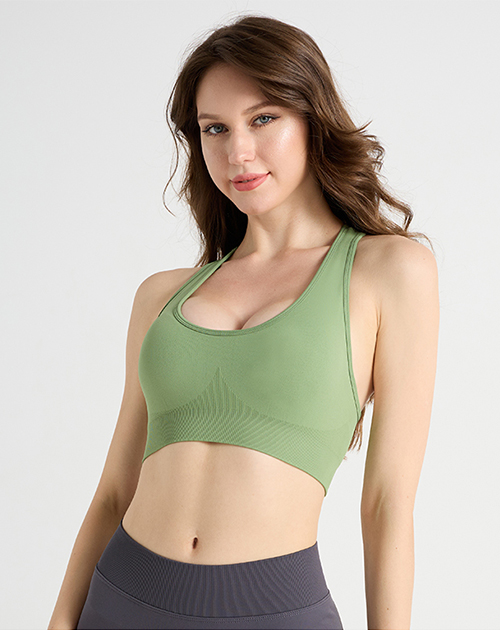
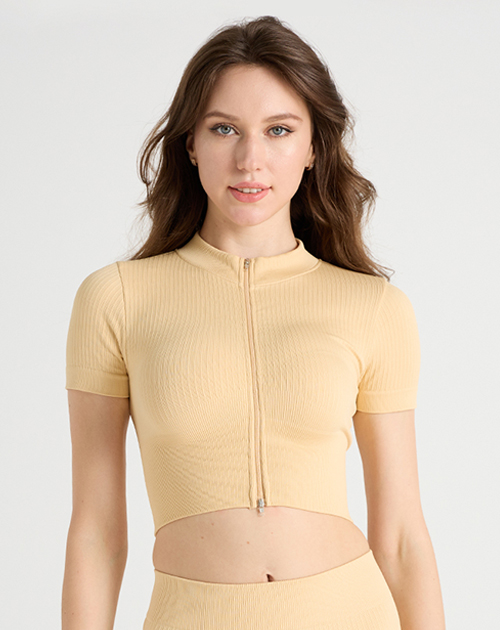
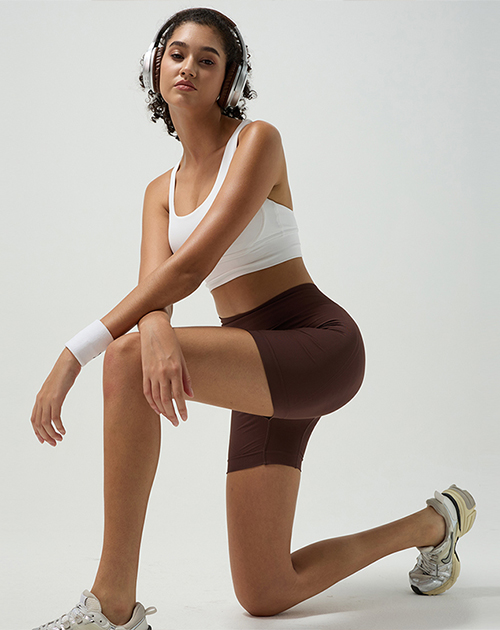
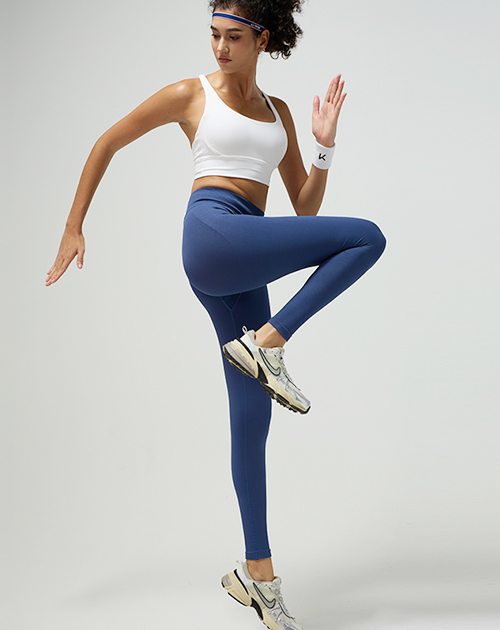
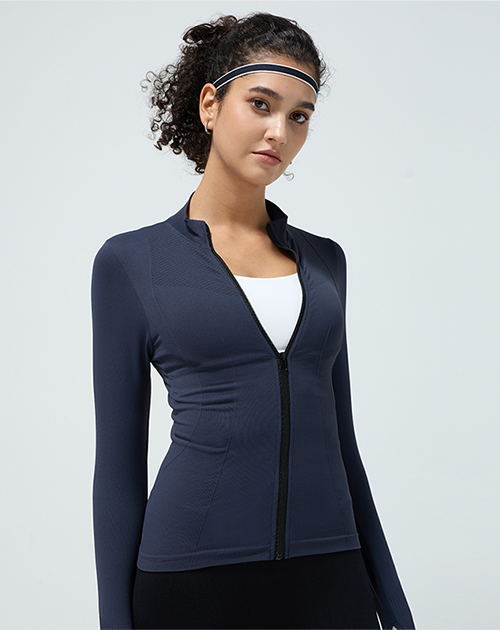
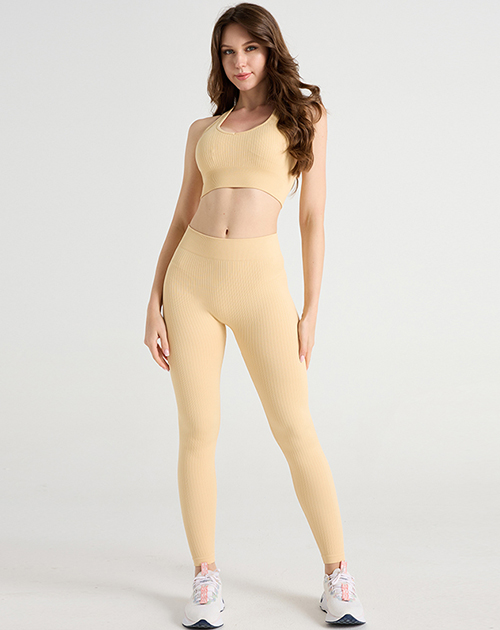
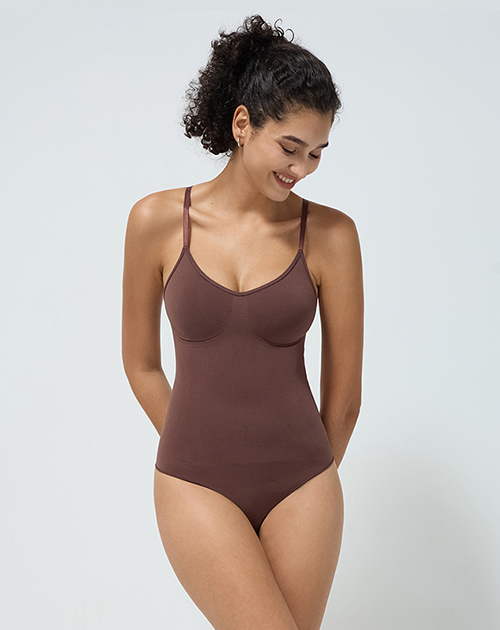
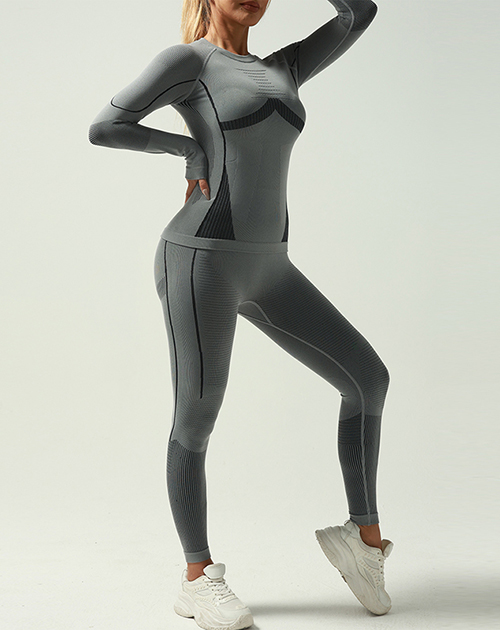
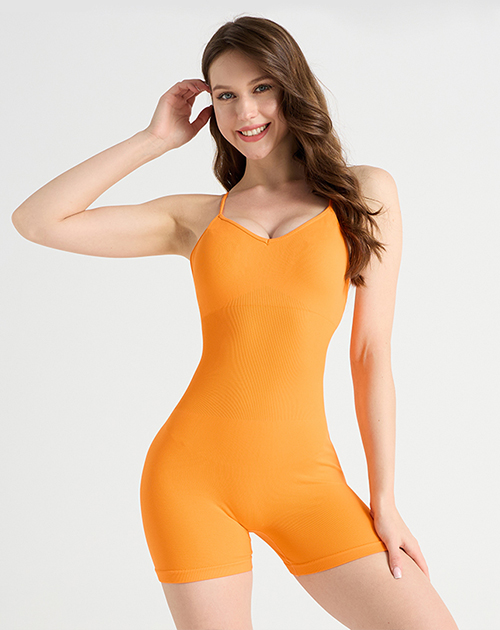
The activewear market is changing as consumers look for clothing that fits different parts of their daily lives. Leggings are no longer limited to gyms or workout sessions. They're now common in casual outfits, travel wardrobes, and everyday routines. This shift has created new opportunities for seamless leggings supplier , who work with clothing brands, retailers, and private label businesses to develop products that meet changing customer needs.
Seamless leggings have gained attention because of their smooth appearance, flexible fit, and varied design options. Their construction can reduce the need for traditional stitched seams across certain areas of a garment. This approach also lets manufacturers build textures and shaping details directly into knitted fabric. For brands competing in the activewear market, these features offer new ways to develop product collections.
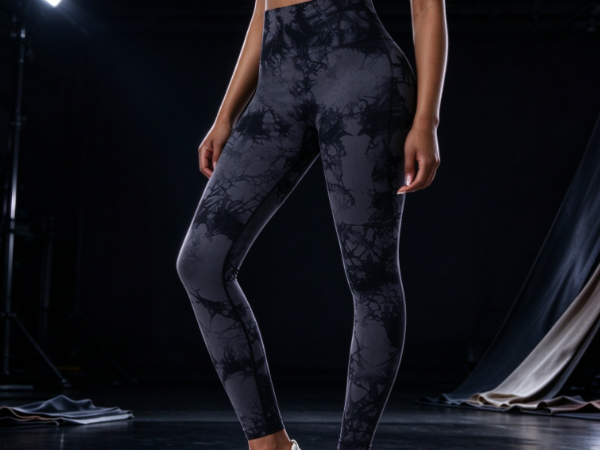
That said, growing interest in activewear also brings real challenges. Consumers expect comfort, reliable sizing, and lasting wear. Retailers need products that suit their customers and fit their brand identity. Suppliers must balance design requirements with production planning, material selection, and quality control.
Understanding the relationship between seamless leggings suppliers and the wider activewear market helps explain how this product category is developing and what businesses should consider when sourcing seamless apparel.
Activewear has become part of a broader lifestyle clothing category. Many consumers want garments that can move between exercise and everyday activities without requiring a complete outfit change. Leggings fit this demand because they can be styled with sports bras, loose shirts, jackets, and casual footwear alike.
This shift in clothing habits has encouraged brands to expand their product ranges. A collection may include workout leggings, yoga apparel, casual sets, and coordinated sportswear. Seamless leggings can fit into several of these categories, depending on their design, fabric, and intended use.
For suppliers, this creates opportunities to work with different types of buyers. Fitness clothing brands may focus on stretch and support. Lifestyle labels may prioritize soft fabrics and understated designs. Retailers serving younger consumers may look for textured surfaces, shaped waistbands, or coordinated color options.
The demand for variety also affects product development. Brands may want several styles that share a similar visual identity but serve different purposes. Suppliers need to understand these differences before moving into sampling and production.
The relationship between suppliers and buyers is therefore becoming more detailed. Product development isn't simply about producing a pair of leggings. It involves translating a brand's design goals into a garment that feels comfortable, looks consistent, and suits its intended market.
As activewear continues to overlap with casual fashion, seamless leggings suppliers can support this process by offering flexible design and manufacturing options.
The main distinction lies in garment construction. Traditional leggings are commonly made by cutting fabric into separate pieces and joining them with stitching. Seamless leggings often use knitting methods that create much of the garment as an integrated structure instead.
This doesn't mean every seamless garment is entirely free of seams, worth clarifying. Some areas may still require joining, finishing, or additional components. The term generally describes a construction approach that reduces the need for conventional seams in selected parts of the garment.
The method opens up several design possibilities. Manufacturers can create different textures, ribbed sections, and visual patterns within the knitted structure itself. These details can add interest without relying entirely on separate fabric panels or decorative stitching.
Comfort is another consideration here. Fewer prominent seams may reduce friction in some areas, especially when the wearer bends, stretches, or moves repeatedly. That said, comfort still depends on the complete garment. Fabric softness, waistband design, sizing, and finishing quality all remain important.
Traditional activewear has its own strengths too. Cut-and-sew construction can provide greater freedom in panel placement and may suit designs that require pockets, contrasting fabrics, or distinctive seam lines. For this reason, seamless leggings don't replace every other type of legging on the market.
The choice depends on the product concept and the needs of the target customer. Brands may use seamless construction for fitted workout apparel while retaining traditional methods for other styles in the same collection.
| Feature | Seamless Leggings | Traditional Leggings |
|---|---|---|
| Construction | Often uses integrated knitting | Commonly joins cut fabric panels through stitching |
| Surface design | Textures and patterns can be built into the knitted structure | Design details may use panels, stitching, prints, or trims |
| Seam placement | Reduces conventional seams in selected areas | Uses seams to join and shape fabric pieces |
| Product development | Requires attention to knitting structure and garment shape | Relies on pattern design, panel cutting, and assembly |
| Design flexibility | Suitable for integrated textures and fitted silhouettes | Suitable for varied panel arrangements and added details |
Both methods can produce garments for exercise and daily wear. The final result depends on design decisions, materials, and production quality rather than the construction label alone.
Suppliers play an important role between a brand's product idea and the finished garment. Their work may include fabric selection, sample development, size planning, production coordination, and quality checks. The exact services available depend on the supplier's capabilities and business model.
For a brand developing a new collection, early communication can help clarify what the garment needs to achieve. A buyer may provide a design reference, describe the intended use, or request changes to an existing style. The supplier then works through the practical details needed to turn those requirements into a wearable product.
Several areas deserve particular attention.
Design development
Seamless leggings can include different knit textures, waistband shapes, surface patterns, and color combinations. Suppliers help assess whether these elements can actually be produced within the planned construction. They may also suggest adjustments when a design needs to balance appearance with comfort and fit.
Sampling
A sample gives the buyer a chance to assess the garment before larger production begins. It lets the team review fabric feel, shape, stretch, coverage, and overall appearance. Changes can get discussed before the design is approved for production.
Size planning
Sizing affects both comfort and customer satisfaction. A garment that fits well in one size may behave quite differently in another if the pattern or stretch characteristics aren't managed carefully. Suppliers need clear size information and a consistent process for checking fit across the range.
Production coordination
Once a design is approved, the supplier coordinates materials, manufacturing steps, and finishing. Clear communication helps reduce misunderstandings about colors, labels, packaging, and product specifications.
Quality inspection
Checks during and after production can help identify issues such as uneven texture, inconsistent sizing, loose threads, or unwanted changes in shape. The inspection process should reflect the garment's construction and the buyer's quality requirements.
For activewear brands, these services can make product development far more organized. A supplier that understands the intended customer and product category can help the buyer make practical decisions before production begins.
Material selection has a direct effect on how seamless leggings look and feel. The fabric must work with the knitting structure and support the garment's intended use. A material suited to soft everyday leggings may not provide the same feel as one designed for close-fitting workout apparel.
Stretch and recovery are important considerations here. Leggings need to extend when the wearer moves and return toward their original shape after being stretched. If recovery is inadequate, the garment may gradually lose its intended fit. If the fabric feels too restrictive, movement and comfort may suffer instead.
Softness also shapes the wearing experience. Since leggings often sit close to the skin, the surface should feel appropriate for prolonged contact. The waistband and areas around the knees, hips, and inner thighs deserve particular attention because they experience repeated movement or pressure.
Moisture management may matter for products intended for exercise. Consumers may prefer fabrics that help move perspiration away from the skin and dry at a suitable rate. The level of performance depends on the material blend, fabric structure, garment design, and care conditions together.
Opacity is another key issue worth flagging. Leggings should provide suitable coverage during normal movement, including bending and stretching. A fabric that appears opaque when held flat may behave quite differently when extended across the body. Evaluating the finished garment is far more useful than judging the material from appearance alone.
Suppliers and brands should consider these factors together rather than treating them as separate requirements. A fabric can feel soft but lack the desired recovery. Another may hold its shape well but feel too firm for the intended customer. Sampling and wear assessment help reveal these trade-offs before committing to bulk orders.
Material choices can also affect the garment's appearance after washing. Changes in surface texture, elasticity, or shape may influence how the leggings look over time. Clear care instructions and suitable fabric testing can help set realistic expectations for consumers.
Activewear buyers aren't a single group with identical needs. Some consumers want leggings for intense workouts. Others prefer clothing for stretching, walking, travel, or daily errands. These different uses shape the designs that brands choose to develop.
One visible trend is the interest in clothing that combines function with casual style. Consumers may want leggings that work during exercise but also look appropriate with everyday outfits. This has encouraged the use of restrained colors, textured fabrics, coordinated sets, and details that make the garment suitable for different settings at once.
Fit remains central to product design. High-rise waistbands, shaped waist areas, and close-fitting silhouettes appear in many seamless collections. These details can influence how the garment sits on the body, though their suitability varies by individual preference and body shape.
Texture is another design element worth noting. Knitted patterns can create visual contours or distinguish one product from another. Suppliers may work with brands to develop ribbed sections, contrasting textures, or integrated patterns that give a collection a recognizable style.
Consumers also pay attention to versatility. A garment that can be worn for several activities may appeal to shoppers who prefer practical wardrobes. This doesn't mean every legging needs to serve every purpose, though. Clear product positioning helps consumers understand whether a design is intended for training, light activity, or casual wear.
For suppliers, these preferences make communication with buyers increasingly important. Rather than developing styles based only on visual trends, product teams need to consider fabric feel, fit, care, and intended use together. A design that looks appealing on a sample may still need adjustments before it meets the expectations of its target audience.
Selecting a supplier involves more than comparing product photographs or reviewing a single sample. Buyers need to understand how the supplier works, what services it provides, and whether its production process fits the needs of the business.
A useful evaluation can cover several areas.
1. Manufacturing capabilities Buyers should ask about the supplier's experience with seamless garments and the types of products it can produce. Experience with similar designs may help the supplier understand construction requirements and common production issues.
2. Sample development The sample process should allow the buyer to assess the garment and request reasonable changes. Buyers should clarify how design revisions, fit adjustments, and sample approval get handled.
3. Quality control Suppliers should be able to explain how they check fabric, garment construction, sizing, and finished appearance. A clear inspection process helps buyers understand how product consistency gets managed.
4. Customization options Some brands need private labels, custom colors, distinctive knit patterns, or coordinated collections. Buyers should confirm which options are available and which may require additional development.
5. Communication Clear communication matters throughout product development. Buyers need accurate updates about samples, material availability, production progress, and any issues that could affect delivery.
6. Order planning Businesses should discuss order requirements, production capacity, and delivery expectations before confirming a project. The supplier's ability to handle the requested order should get assessed in relation to the specific product and schedule.
7. Documentation and product claims Labels, material descriptions, care instructions, and other product information should accurately reflect the garment. Buyers should also clarify any relevant testing or compliance documents required for their intended sales markets.
These considerations help brands assess a supplier based on practical requirements rather than general claims. A suitable partnership depends on how well the supplier's capabilities match the product, order, and business model.
Quality control affects the relationship between suppliers, brands, and consumers directly. A garment may have an attractive design, but inconsistent sizing or fabric performance can undermine the wearing experience entirely. For retailers, product issues can also create returns, complaints, and extra handling work.
Seamless leggings require checks that reflect their knitted construction. Differences in fabric tension or knitting can affect texture, stretch, and shape. Waistbands may also need attention because they influence how the garment stays in place during movement.
Quality checks commonly cover the following areas:
These checks should get planned before bulk production rather than introduced only after problems appear. A clearly approved sample can serve as a reference for the production team and the buyer alike. Written requirements can also help both sides understand what counts as an acceptable finished product.
Quality control isn't limited to the factory floor. Brands need to communicate their expectations clearly, review samples carefully, and provide feedback when a garment doesn't match the agreed design. When buyers and suppliers share the same product requirements, they have a clearer basis for resolving issues when they arise.
For suppliers serving different markets, quality expectations may vary by customer, product type, and sales channel. A supplier should understand the buyer's specific requirements instead of assuming one inspection process will suit every project equally.
The relationship between seamless leggings suppliers and activewear brands increasingly involves collaboration throughout product development, not just a transaction at the end. Buyers often need more than a finished garment. They may also need help translating design references into practical products, organizing samples, selecting materials, and maintaining consistency across a collection.
This collaboration can begin with a clear product brief. The buyer explains the target customer, intended use, preferred fit, and visual direction. The supplier reviews the requirements and identifies the details that need further discussion. This shared understanding can reduce avoidable changes later in the process.
Communication also matters when a brand expands its product range. A company may start with a simple seamless legging and later develop matching tops, sports bras, shorts, or coordinated sets. Working with a supplier that understands the original design language may help maintain consistency across related products.
At the same time, brands need to stay involved in product decisions. Suppliers can provide manufacturing guidance, but buyers must confirm the finished garment actually reflects their positioning and customer expectations. Fit, fabric, labels, care information, and final appearance all require review.
Digital communication has made it easier for teams to exchange design references, comments, and sample feedback across different locations. Even so, clear written requirements remain important. Images alone may not fully explain fabric feel, fit preferences, or construction details.
The activewear market continues bringing together exercise clothing, casual fashion, and everyday comfort. For seamless leggings suppliers, this creates opportunities to support a broad range of product concepts. Their role depends not only on manufacturing garments but also on understanding buyer requirements, coordinating development, and maintaining consistent quality throughout production.
Copyright © Jinhua Yongxing Knitting Co., Ltd.
 Seamless Yoga Sets


 English
 русский
 Español