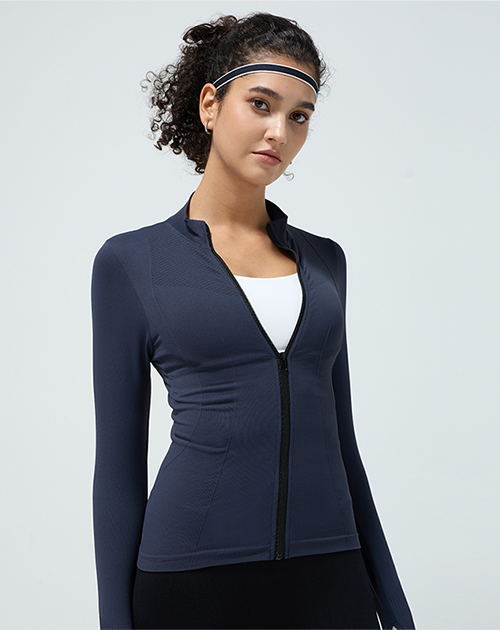
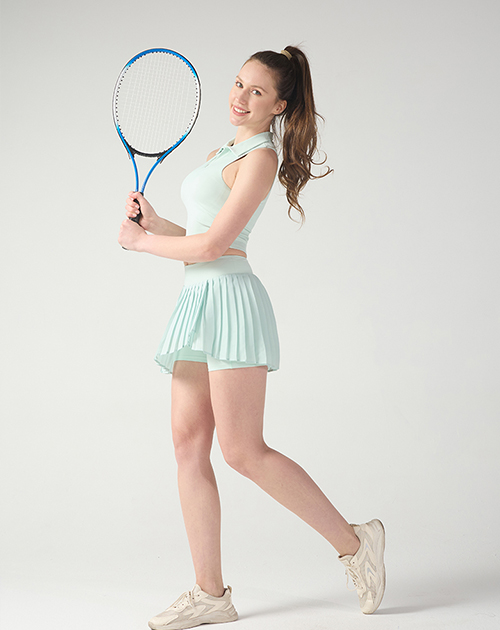
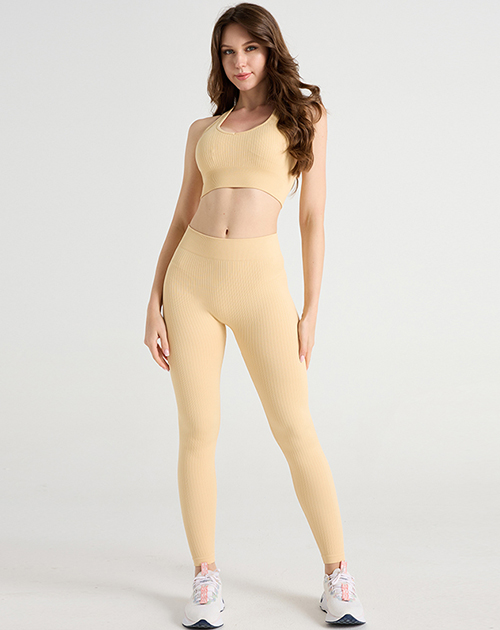
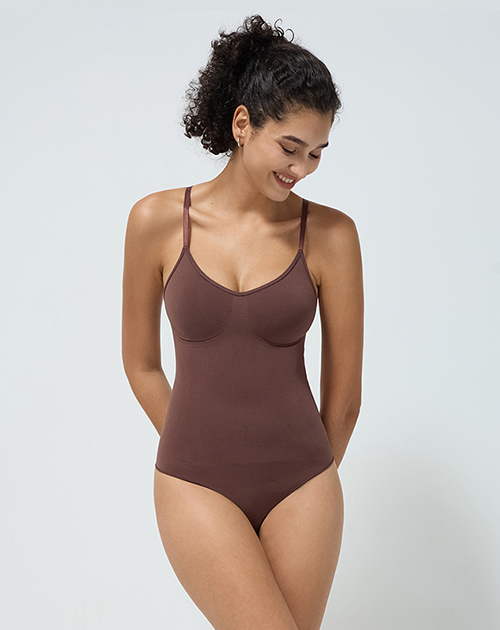
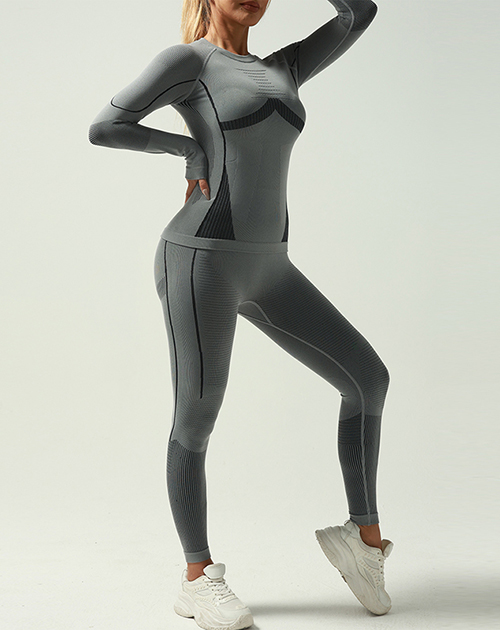
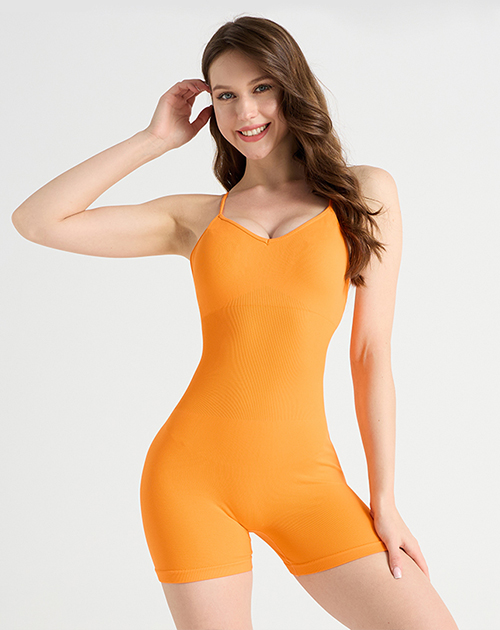
Compression seamless leggings and regular leggings may look similar at first glance. Both are common choices for workouts, daily wear, and casual outfits. They differ in construction, fit, fabric performance, and intended use, though. These differences can affect how the garments feel during movement and how they meet the needs of different consumers.
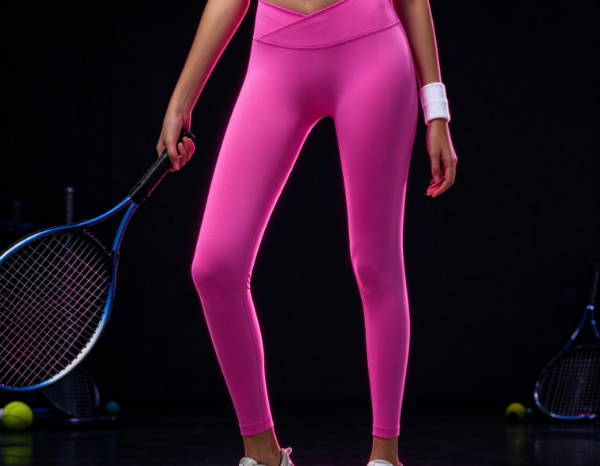
As activewear continues to develop, more consumers are paying attention to the details behind their clothing. They want leggings that feel comfortable, move with the body, and suit their daily routines. For clothing brands, retailers, and manufacturers, understanding the distinction between compression seamless leggings and regular leggings matters just as much when planning product lines.
The difference isn't simply about how tight a pair of leggings feels. Seam placement, fabric structure, stretch recovery, waistband design, and garment construction all shape the final result. Understanding these factors helps explain why the two styles serve different purposes in the activewear market.
Compression seamless leggings combine a close-fitting design with a construction method that reduces the need for traditional stitched seams. They're commonly developed for activities involving repeated movement, such as fitness training, yoga, cycling, and other forms of exercise.
The word "compression" refers to how the garment fits around the body. These leggings are designed to provide a close, supportive feel rather than simply covering the legs. The fabric applies gentle pressure through its stretch and structure. The level of support depends on the materials, garment design, and intended application.
The term "seamless" describes the construction approach. Instead of joining multiple fabric panels through extensive stitching, manufacturers can use specialized knitting processes to create much of the garment as an integrated structure. Some areas may still require seams or finishing. The design aims to reduce bulky joins and create a smoother fit overall.
This combination makes compression seamless leggings different from ordinary stretch leggings. Their construction is often planned around body movement, fabric tension, and the distribution of support.
Common design features may include:
These features aren't identical across all products, worth noting. Some compression seamless leggings are designed for demanding workouts, while others are intended for everyday activewear. Product descriptions and garment construction should get considered together when assessing their function.
Regular leggings are a broad category of close-fitting trousers made from stretchable fabrics. They may be designed for exercise, casual wear, travel, lounging, or general daily use. Their construction can vary widely depending on the target market and the desired appearance.
Many regular leggings are made by cutting fabric into separate panels and sewing those panels together. This method gives manufacturers considerable control over garment shape, panel placement, and design details. It also lets them combine different fabrics or add decorative elements.
A pair of regular leggings, for example, may use several panels to shape the waist, hips, and legs. Seams can provide structure and help the garment maintain its intended silhouette. Decorative stitching may also get included to create a particular visual effect.
That said, regular leggings don't always have a large number of seams. Some styles use a simple pattern with relatively few joins. Likewise, not every seamless garment is designed to provide compression. Construction method and compression level relate to product design, but they aren't the same feature.
The table below outlines the general differences.
| Feature | Compression Seamless Leggings | Regular Leggings |
|---|---|---|
| Construction | Often uses integrated knitting to reduce traditional seams | Commonly uses cut fabric panels joined by stitching |
| Fit | Designed for a close, supportive feel | Ranges from lightly fitted to snug |
| Fabric structure | May use different knit structures to shape support | Often relies on the stretch and thickness of the selected fabric |
| Seam placement | Fewer prominent seams in many designs | Seams may be used for shaping and construction |
| Movement | Developed to follow body movement during activity | Depends on fabric, pattern, and intended use |
| Appearance | Often features a smooth surface and integrated texture | May include visible panel lines, stitching, or decorative details |
| Typical uses | Fitness, training, yoga, and active lifestyles | Exercise, casual outfits, travel, and everyday wear |
These distinctions describe common design approaches rather than fixed rules. A well-designed regular legging may offer strong stretch and comfort, while a seamless product may be intended mainly for casual use.
Compression is one of the most noticeable differences between these two product categories. Regular leggings can fit closely against the skin, but a close fit doesn't automatically mean the garment provides a supportive compression effect.
Compression leggings use the relationship between fabric elasticity, knit structure, garment shape, and body contact to create a more held-in sensation. The goal is keeping the fabric close to the body while allowing the wearer to bend, stretch, walk, or exercise freely.
The sensation depends on how the garment is designed. Some products offer light compression for general activity. Others are made for a firmer fit during training. The product label alone doesn't establish the level of support, so consumers should pay attention to fit guidance and intended use instead.
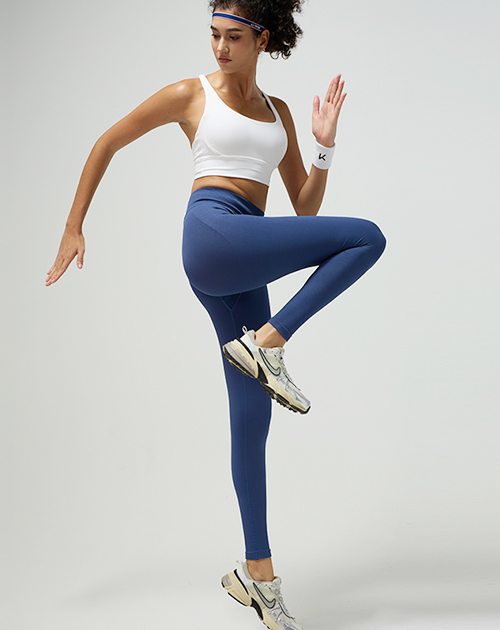
Movement also depends on how the fabric responds to stretching. When a wearer squats, lunges, or raises a leg, the garment must extend without creating excessive pulling or restricting normal movement. It should also return toward its original shape once the stretch gets released.
Regular leggings can provide this flexibility too. The difference lies in the balance between stretch, recovery, and the intended level of support. A pair made from soft, lightweight fabric may prioritize freedom and comfort. A compression design may place greater emphasis on a secure, close-fitting feel instead.
Fit remains important for both categories. Leggings that are too tight may cause discomfort or leave deep marks on the skin. Loose fabric can bunch around the knees or waist during exercise. A suitable design should remain comfortable throughout the activity it was made for.
It's also important to distinguish a supportive fit from a medical function. Everyday compression seamless leggings shouldn't automatically get treated as medical compression garments. Their suitability for a specific health need depends on the product and professional guidance.
Seam placement can influence how leggings feel during movement. Traditional seams create joins between pieces of fabric. Depending on their position, thickness, and finish, these joins may become noticeable when the wearer bends, sits, or exercises.
Seamless construction aims to reduce these joins in selected areas. A smoother garment surface can help limit the sensation of rubbing, especially during activities involving repeated movement. This can prove useful during yoga sessions, gym training, walking, or extended periods of wear.
The absence of many traditional seams can also affect the garment's appearance. Seamless leggings often have a more integrated look because shaping and texture can get built into the knitted fabric itself. Manufacturers may create ribbed areas, textured patterns, or visual contours without relying entirely on stitched panels.
That said, fewer seams don't guarantee greater comfort in every situation. Fabric softness, moisture management, garment size, waistband tension, and finishing quality matter too. A seamless garment made with an unsuitable fabric may still feel restrictive or cause irritation.
Regular leggings can also be comfortable when their seams are positioned and finished carefully. Flat seams, soft thread, and thoughtful pattern design can reduce friction. For some styles, stitched panels prove useful because they let manufacturers control shape and reinforce areas that experience repeated stress.
The choice between the two construction methods depends on the product's purpose. Seamless construction can support a smooth, body-hugging design, while traditional construction provides flexibility in panel arrangement and detailing.
For brands developing activewear, comfort should get assessed through the complete garment rather than through the construction label alone. The interaction between fabric, seams, fit, and movement determines the wearer's actual experience.
Fabric selection plays a major role in the difference between compression seamless leggings and regular leggings. Both categories commonly use stretchable materials, but their fabric structures and combinations may get selected for different performance goals.
Compression seamless leggings often use knitted fabrics that combine stretch, recovery, and a close-fitting structure. The fabric must adapt to body movement while maintaining enough tension to create the intended feel. Manufacturers may adjust the knitting pattern across different garment areas to influence flexibility and support.
Regular leggings use a wide range of materials. Some are made from soft, lightweight stretch fabrics for everyday wear. Others use denser fabrics for training or colder conditions. The material choice depends on the intended use, desired appearance, price range, and expected care requirements.
Common fabric considerations include:
These qualities can overlap. A regular legging may use fabric with strong recovery, while a seamless product may prioritize softness and daily comfort instead. Neither construction type guarantees a particular fabric performance.
Fabric thickness also deserves careful consideration. A thicker material may provide more coverage, but thickness alone doesn't determine support. A lighter fabric can still have a firm structure, depending on its composition and knit design.
For manufacturers, selecting fabric means balancing several requirements. A material that feels soft may not provide the desired recovery. A fabric with a firm feel may be less comfortable if the garment's shape doesn't allow enough movement. Testing the complete garment helps reveal these differences before production scales up.
Compression seamless leggings are often developed with exercise in mind, but whether they're genuinely more suitable depends on the activity and the wearer's preferences.
For workouts involving repeated bending and stretching, a close fit can help the garment stay in place. Reduced seam lines may also make the leggings feel smoother during movement. These characteristics can appeal to people who practice yoga, strength training, indoor cycling, or general fitness.
The waistband is particularly important here. It should remain stable without rolling down or pressing uncomfortably against the abdomen. The leg fabric should move with the body rather than pulling excessively around the knees or hips.
Regular leggings can also suit exercise just fine. Their performance depends on the fabric, pattern, waistband, and construction quality. Some are designed for high-movement activities, while others are more appropriate for walking, stretching, or light workouts.
The comparison below shows how intended use may influence product choice.
| Feature | Compression Seamless Leggings | Regular Leggings |
|---|---|---|
| Construction | Often uses integrated knitting to reduce traditional seams | Commonly uses cut fabric panels joined by stitching |
| Fit | Designed for a close, supportive feel | Ranges from lightly fitted to snug |
| Fabric structure | May use different knit structures to shape support | Often relies on the stretch and thickness of the selected fabric |
| Seam placement | Fewer prominent seams in many designs | Seams may be used for shaping and construction |
| Movement | Developed to follow body movement during activity | Depends on fabric, pattern, and intended use |
| Appearance | Often features a smooth surface and integrated texture | May include visible panel lines, stitching, or decorative details |
| Typical uses | Fitness, training, yoga, and active lifestyles | Exercise, casual outfits, travel, and everyday wear |
The table shouldn't be read as a performance ranking. A garment's suitability depends on how it fits the wearer and whether its features actually match the activity.
Consumers should also avoid assuming compression leggings automatically improve athletic results or prevent injuries. Clothing design can influence comfort and the feeling of support, but individual outcomes depend on many factors beyond the garment itself.
For brands and retailers, clearly describing intended use is more helpful than making broad claims. Information about fit, fabric feel, care, and garment design gives shoppers a more practical basis for comparison.
For activewear brands, the differences between compression seamless leggings and regular leggings affect product planning, manufacturing, and quality control. Each category carries its own design priorities, though both require attention to comfort, durability, and appearance.
Compression seamless leggings require coordination between knit structure and garment shape. Since parts of the garment may be formed as an integrated knitted piece, design decisions need to account for how the fabric behaves around the waist, hips, thighs, and lower legs. Different knit patterns may get used to create changes in texture or stretch across selected areas.
Regular leggings offer a different set of production considerations. Pattern makers can adjust individual panels and seam positions to shape the garment. This approach may prove useful when a design calls for contrasting fabrics, visible stitching, pockets, or more detailed construction.
Neither method removes the need for careful testing. Both types of leggings can experience issues such as fabric distortion, loose stitching, waistband rolling, inconsistent sizing, or reduced elasticity after repeated use.
A practical development process should examine several areas:
Fit consistency: Garments should follow the intended size and shape across production batches. Differences in fit can affect comfort and customer confidence.
Stretch and recovery: The fabric should respond appropriately to movement and retain its intended fit during normal use.
Coverage: The material should provide suitable opacity when the wearer bends or stretches. This matters particularly for activewear designed for exercise.
Waistband stability: The waistband should stay in place without creating unnecessary pressure or discomfort.
Surface comfort: Seams, knitted textures, labels, and finishing details shouldn't create avoidable irritation.
Care performance: Washing and drying can affect elasticity, color, surface texture, and shape. Care instructions should reflect the garment's material and construction.
Manufacturers also need to consider the intended customer. A product developed for high-movement workouts may require a different fit and fabric feel than leggings intended for travel or casual wear. Clear product positioning helps guide these decisions from the start.
Retail descriptions should reflect the garment's actual characteristics. If a product gets described as seamless, the wording should accurately explain the construction. If compression gets highlighted, the description should avoid implying medical benefits or guaranteed performance outcomes that haven't been established.
For consumers, the same principles make product comparisons easier. Rather than choosing based only on appearance, shoppers can examine the garment's fit, fabric, construction, care instructions, and stated purpose.
Compression seamless leggings and regular leggings serve overlapping but distinct roles in the activewear market. Compression seamless styles emphasize a close, supportive fit and reduced traditional seam construction. Regular leggings offer a wider range of construction methods, fabric choices, and everyday styling options. Understanding how these features work together helps consumers make informed choices and enables brands to develop products that match different wearing needs.
Copyright © Jinhua Yongxing Knitting Co., Ltd.
 Seamless Yoga Sets


 English
 русский
 Español