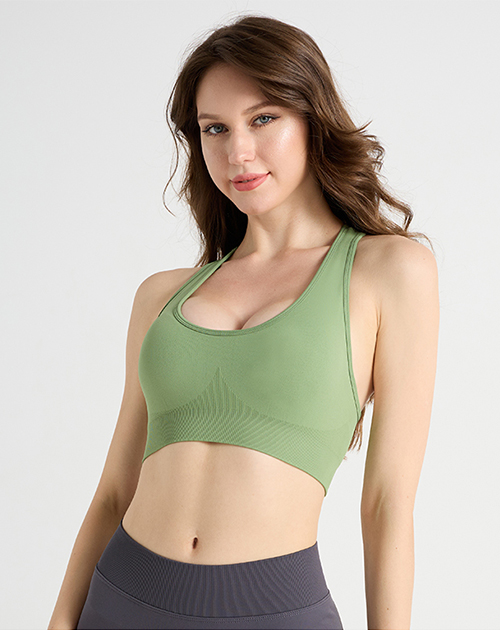
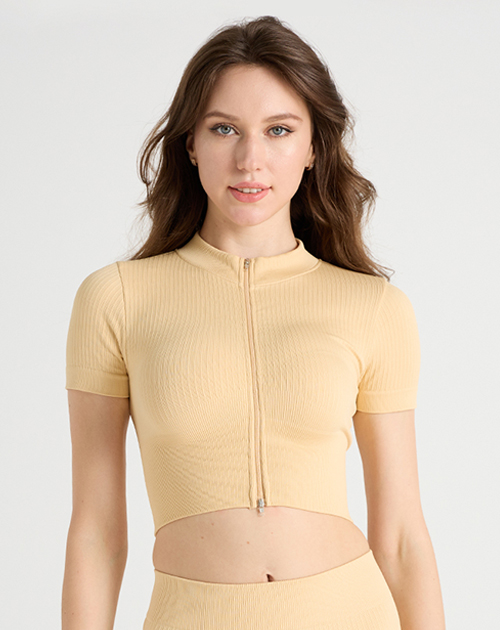
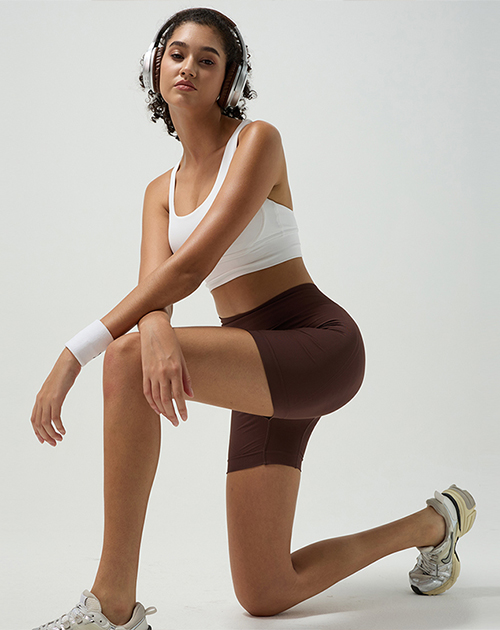
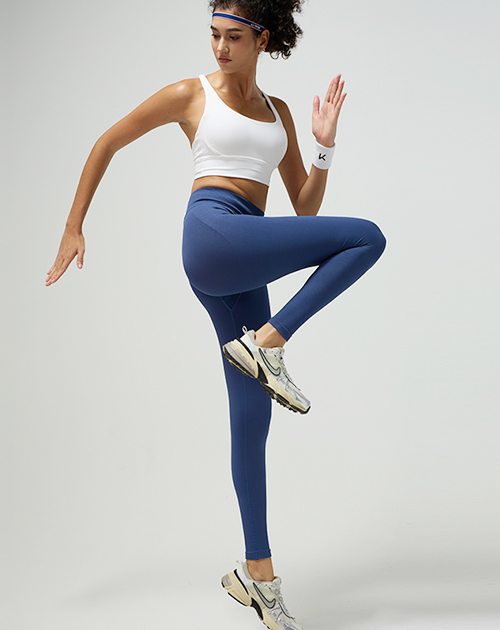
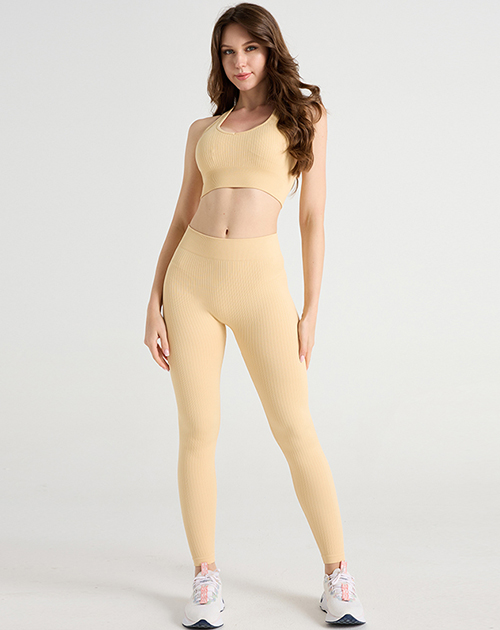
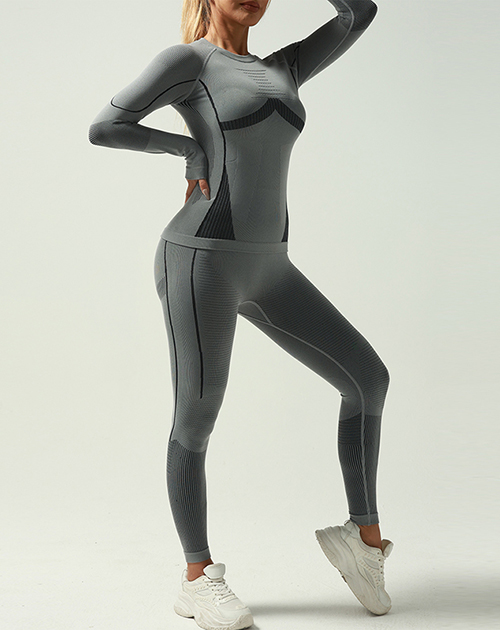
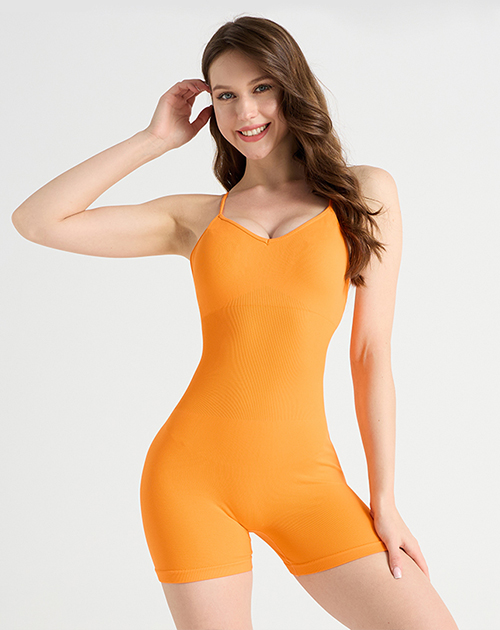
Yoga, gym sessions, running, stretching — seamless sports leggings have become a staple across all of it. Their close fit and flexible build make them an easy pick for activewear lines. But honestly, fabric is what does most of the real work here, shaping how these leggings feel, move, and hold up through actual use.
Different fabrics bring different strengths to the table. Some lean toward soft touch and comfortable give; others focus harder on moisture handling, keeping their shape, or just a smooth finish. Plenty of seamless sports leggings end up using blended materials precisely because balancing several needs in one garment usually beats relying on a single fiber. What actually works best comes down to the activity, the design, and what the target customer actually wants.
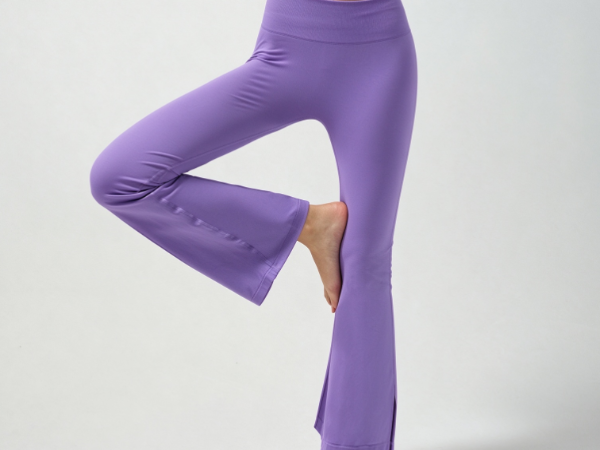
For sportswear brands, retailers, and buyers, getting a real handle on these fabrics pays off in both product development and purchasing. Fabric choice touches comfort, look, fit, care needs, the whole wearing experience — and it shapes how manufacturers approach knitting structure and adjust products for different markets too.
Most seamless sports leggings lean on synthetic fibers paired with stretch fibers, usually combined into one balanced fabric. Polyester, nylon, elastane — these are the usual suspects in activewear, each bringing something different, which is exactly why manufacturers mix and match depending on what the product's actually for.
Polyester shows up constantly because it's lightweight, holds up well, and fits a huge range of sportswear designs. It can support moisture management when the fabric's built to pull sweat away from skin. It also takes color and surface finishes easily, giving brands plenty of room to play with different looks.
Nylon is another regular choice, known for that smooth feel, flexibility, and solid resistance to wear. Fabric with nylon in it tends to create a soft surface well-suited to close-fitting garments. Blended right, nylon can also strike a nice balance of stretch and support, depending on how the fabric's actually constructed.
Elastane — spandex, in some markets — gets added into a lot of sportswear fabric purely for stretch. It lets leggings expand as the wearer bends, stretches, moves through whatever exercise is happening. Its recovery properties matter just as much, pulling the garment back toward its original shape once the stretching stops.
These fibers rarely work alone. Polyester or nylon usually gives the fabric its backbone, while elastane adds the give. What you end up with depends on the exact blend ratio, yarn quality, knitting method, and finishing process — all working together, not separately.
Cotton turns up occasionally in more casual leggings, but it's a less common pick as the main material for anything built around demanding workouts. It's got that natural, soft feel going for it, sure, but it holds onto moisture and dries slower than most synthetic sportswear fabric. That's really why cotton tends to land in relaxed activewear or lifestyle pieces rather than anything meant for intense exercise.
Polyester earns its place in sportswear by covering a lot of practical bases at once. It's fairly lightweight and holds its shape well through regular use — exactly the kind of thing leggings need when they're moving with the body through repeated exercise.
Moisture management is worth a closer look here. Polyester on its own doesn't automatically make something quick-drying or moisture-wicking — that's a common misconception. Yarn structure, knitting pattern, surface finish, all of it shapes how moisture actually moves through the material. Get the fabric design right, and sweat spreads across the surface where it can evaporate more easily, rather than just sitting there.
Polyester also gives manufacturers a lot of room on appearance. Different colors, different textures, smooth finishes through to more structured surfaces — brands can build leggings for all kinds of training styles and customer tastes without being locked into one visual approach.
Durability is another reason it keeps showing up in activewear. Sports leggings get stretched, washed, folded, worn again and again, and the fabric needs to shrug that off while still looking decent. How well it actually holds up depends on yarn quality, garment construction, and how the product gets cared for down the line.
That said, polyester fabrics aren't all the same — far from it. Some feel soft and light; others come out firmer or more structured. Judging a garment purely by the fiber name on the label is a mistake. Actually touching a sample and testing it through movement tells you a lot more than any spec sheet.
For seamless sports leggings built for regular training, polyester blends make sense when the product needs that mix of lightness, color flexibility, shape retention, and moisture handling all at once. Still worth checking the fabric against the actual activity and desired fit before locking anything in.
Nylon tends to get picked for leggings that need a smooth surface paired with a soft, flexible feel. It works well in close-fitting garments because it moves naturally with the body and leaves a comfortable finish against skin — qualities that make nylon blends a natural fit for yoga wear, gym leggings, and similar activewear pieces.
The surface itself shapes a lot of how the leggings look and feel in the end. A smooth knit gives a clean, simple appearance; a textured knit adds some visual depth instead. That range gives designers room to hit both functional needs and style goals at once.
Nylon also brings decent wear characteristics to the table. Chosen and constructed well, it resists everyday abrasion and holds up through repeated movement — relevant stuff when leggings are regularly rubbing against exercise mats, gym equipment, and whatever else. Though it's worth saying: wear resistance comes from the whole fabric and garment working together, not nylon alone doing all the heavy lifting.
Fit matters here too. Nylon blends stretch and recover well, letting leggings track the body's shape closely. Pair it with elastane, and the material can deliver the flexibility squats, lunges, and yoga poses actually demand. How much support that adds really depends on fabric structure and garment design, not the fiber alone.
Nylon isn't automatically the better pick over polyester for every single product, either. It might offer a different surface feel, sure, but final comfort still comes down to yarn choice, knitting density, finishing, intended fit. Comparing actual samples beats assuming one fiber guarantees a particular outcome every time.
For brands building seamless sports leggings, nylon blends are worth considering when soft touch, smooth look, and flexible fit are the priority. The choice should also track target price point, care expectations, and the type of exercise the product's actually meant to support.
Elastane is the stretch fiber behind most activewear fabric. It lets leggings expand through movement and bounce back afterward. Without enough stretch, a close-fitting garment ends up restricting movement or putting unwanted pressure on knees, hips, waist — none of which feels good mid-workout.
Stretch matters more in seamless sports leggings specifically because the whole garment is built to follow the body closely. During exercise, the fabric has to handle a wide range of positions without pulling uncomfortably tight. Yoga, weight training, cycling, stretching — all of it involves constant shifts in body shape and joint position.
Elastane almost never works solo — it's blended with other fibers nearly always. Polyester or nylon handles the main fabric structure; elastane adds the elasticity on top. How these two balance against each other shapes the feel of the leggings, how much support they offer, and how they respond once movement starts.
More stretch doesn't automatically mean more comfort, though — worth keeping in mind. A garment can still feel restrictive if the fit's too tight, regardless of how elastic the fabric itself is. And a fabric with weak recovery can go loose or lose its original shape fast after repeated wear. Checking both stretch and recovery together, not just one or the other, matters when reviewing samples.
Where that stretch sits across the garment matters too. The waistband needs to stay secure; the hip and knee areas need room to move freely. Manufacturers can tweak knitting structures and garment shaping to answer these different demands across different zones of the same piece.
Care plays into long-term performance as well. Too much heat, rough washing, unsuitable handling — all of this can degrade elastic fibers over time. Clear care instructions genuinely help consumers hold onto the garment's intended fit and feel for longer.
For sportswear brands, elastane is a core piece of fabric planning, not an afterthought. The real goal is building something that moves naturally, feels right during the actual activity, and keeps its shape through regular wear.
A lot of seamless sports leggings run on blended fabric simply because one fiber alone rarely covers everything an activewear garment needs. Combining materials lets manufacturers balance softness, stretch, durability, moisture handling, and appearance all at once instead of sacrificing one for another.
A polyester-elastane blend often makes sense for sportswear needing both flexibility and practical care. Polyester gives most of the structure; elastane handles stretch and recovery. Depending on knitting method, this combo can suit gym training, cycling, or general fitness work pretty comfortably.
Nylon-elastane blends show up a lot in close-fitting sportswear too. They deliver a smooth surface with a flexible feel, which fits leggings built for stretching and movement well. Actual performance still hinges on fiber proportions and how the fabric gets made in the end.
Some products go further, mixing polyester, nylon, elastane, and other fibers to hit a specific balance. These more complex blends might target particular textures, wearing conditions, or market positioning. But more complexity doesn't automatically mean better performance — it still has to actually meet what the intended customer needs.
Here's a rundown of common fabric options worth examining.
| Fabric Type | Common Characteristics | Points to Consider |
|---|---|---|
| Polyester | Lightweight feel, color flexibility, and potential moisture management | Check the surface feel, breathability, and drying performance |
| Nylon | Smooth texture, flexibility, and resistance to everyday wear | Assess softness, fit, and resistance to abrasion |
| Elastane blends | Stretch and shape recovery | Check movement comfort and long-term elasticity |
| Polyester-elastane blend | Flexible construction with practical care characteristics | Review stretch, coverage, and shape retention |
| Nylon-elastane blend | Smooth feel with stretch | Check fabric weight, support, and comfort against the skin |
| Cotton blends | Soft, familiar feel that may suit casual activewear | Consider moisture retention and drying needs |
Fabric selection really should start with intended use, not a fondness for one fiber name over another. Leggings built for everyday gym sessions probably need a different balance than something designed for hot yoga, outdoor training, or casual everyday wear.
Fiber composition is only half the story with seamless sports leggings. Knitting structure shapes stretch, thickness, texture, coverage, and how the fabric actually sits against the body. Two fabrics built from near-identical fibers can feel completely different once their structures diverge.
Seamless garments usually come from knitting methods that build most of the piece as one integrated unit, cutting down on stitched joins across the main body. This construction also lets manufacturers vary fabric structure across different parts of the same garment.
The waistband, for instance, needs a secure hold, while the knee area needs enough give for bending freely. Some designs lean on different knit patterns to shift texture or support zone by zone — all built into the design itself, depending on equipment and production method available.
Texture shapes appearance too. Ribbed patterns, raised detail, other knit structures can give a piece a distinct visual identity. Smooth surfaces read simpler; textured designs appeal more to customers wanting extra detail in their activewear.
Coverage deserves real attention as well. Fabric that looks perfectly opaque relaxed can turn more transparent once stretched out. Yarn, knitting structure, fabric density, color — all of this feeds into that result. Testing the finished garment through actual movement tells you a lot more than eyeballing a small fabric swatch ever could.
Breathability and moisture movement get affected by knit structure too. A denser fabric feels more supportive but might trap more heat in certain conditions. A lighter structure feels more open but still has to deliver proper coverage and durability regardless.
Manufacturers do best weighing fiber selection and knitting design together, as one decision rather than two separate ones. That's really what produces seamless sports leggings that balance appearance, movement, coverage, and comfort all at once.
The right fabric really depends on how the leggings are actually going to get used. A yoga-focused product needs something different from running or weight-training gear. Understanding where these needs diverge helps buyers pick materials that genuinely match the activity instead of guessing.
For yoga and Pilates, flexibility and comfort take priority since the wearer moves through a huge range of positions. A soft nylon-elastane or polyester-elastane blend fits well here, depending on the surface feel and support level wanted. The fabric needs to allow bending and stretching without turning uncomfortable or going see-through.
Gym training brings repeated movement, contact with equipment, and frequent washing into the mix. Buyers tend to look for fabric combining stretch, recovery, and solid wear resistance. The waistband and areas around hips and knees need to stay comfortable through squats, lunges, that whole category of movement.
Running makes different demands entirely. Moisture management, a secure fit, freedom of movement tend to get more weight here. Lightweight fabric suits plenty of running conditions, but it still needs proper coverage and has to stay stable through all that repeated motion.
Outdoor exercise brings weather into the equation. Cooler environments might call for heavier fabric or a brushed inner surface; warm conditions favor something lighter. There's really no single fabric weight or fiber blend that works across every climate — it has to track the actual conditions.
Everyday activewear leans harder toward softness, easy care, and appearance. Pieces worn for walking, errands, casual activities don't need quite the support level that demanding workout gear does. Still, they need to allow movement freely and hold a decent fit throughout.
Worth running through these questions when picking fabric:
Working through these questions early helps brands pin down product requirements before jumping to material selection or sample requests.
For brands and retailers, fabric selection deserves treatment as part of product development, not just a line item on a purchase order. The material shapes feel, appearance, fit, care needs — everything. Getting it right starts with genuinely understanding the target customer first.
Pin down the intended activity early. A yoga-focused line probably leans into flexible movement and soft surface; running leggings lean harder into moisture management and secure fit. Products aiming at multiple activities need to balance these without becoming uncomfortable or hard to style day to day.
Sample testing is really the most practical way to compare fabrics head to head. Stretch the material, check how it recovers, feel the surface, examine coverage. Testing finished leggings through walking, bending, squatting reveals problems that just don't show up when the garment's sitting on a hanger looking pretty.
Washing tests matter too. Fabric can feel great fresh out of the package and change completely after repeated care cycles. Checking whether leggings hold their shape, color, surface feel against the product's intended use — and making sure care instructions are clear and realistic for the material chosen — both matter here.
Clear communication with the manufacturer heads off a lot of misunderstanding before it starts. Spell out desired fit, fabric feel, activity type, color range, target customer clearly. If a design needs a particular texture or waistband structure, that belongs in the product brief from day one, not discovered mid-production.
Consistency between samples and actual production garments deserves attention too. The approved sample becomes the reference point for fabric appearance, stretch, fit, construction going forward. Clear requirements paired with proper quality checks help manufacturers hold that line across repeat orders.
When sizing up suppliers, it's worth asking about available fabric options, sample development process, customization capability, testing procedures, care guidance. The answers tend to reveal pretty quickly whether a supplier actually understands the product requirements and can genuinely support the collection as planned.
Fabric selection ties closely to garment design, knitting structure, and intended use — three things that really need weighing together, not separately. Brands that approach it this way end up building seamless sports leggings that actually meet what customers expect: comfort, movement, coverage, and genuine everyday practicality.
Copyright © Jinhua Yongxing Knitting Co., Ltd.
 Seamless Yoga Sets


 English
 русский
 Español