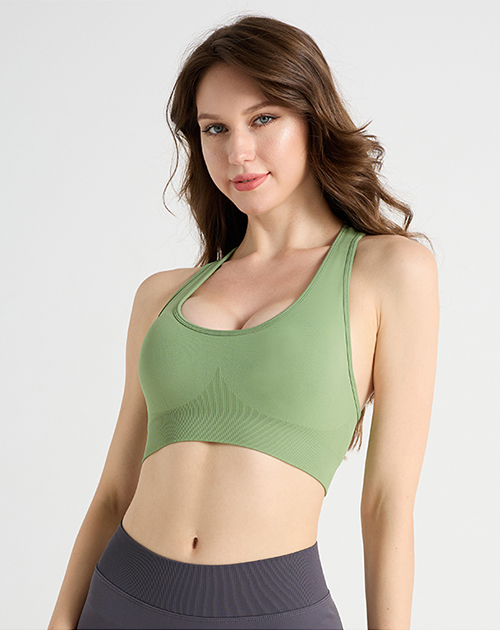
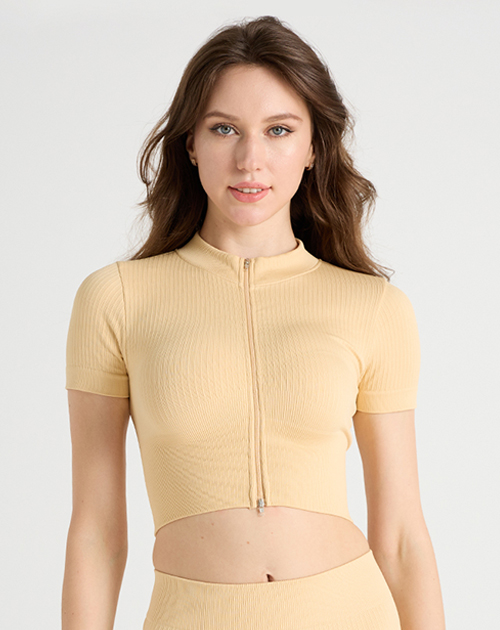
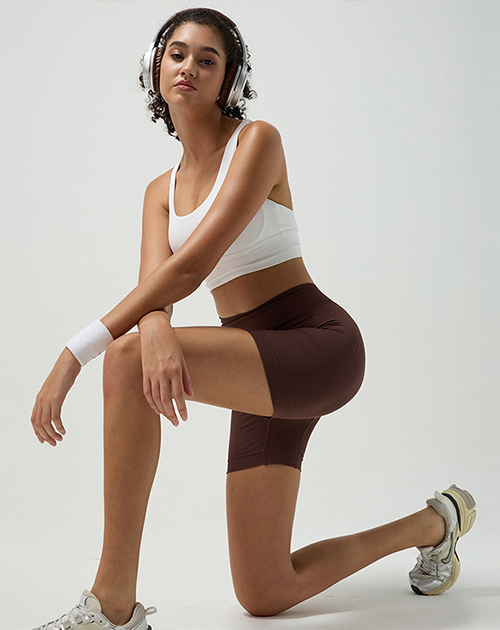
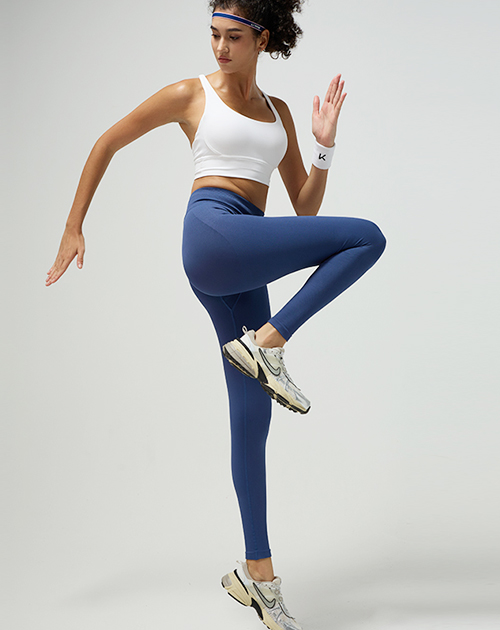
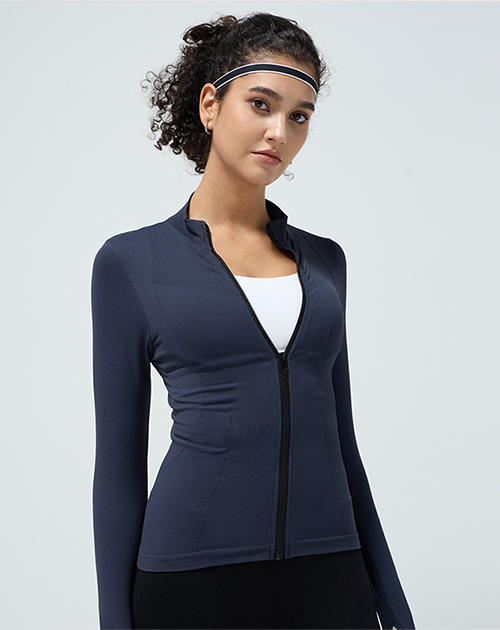
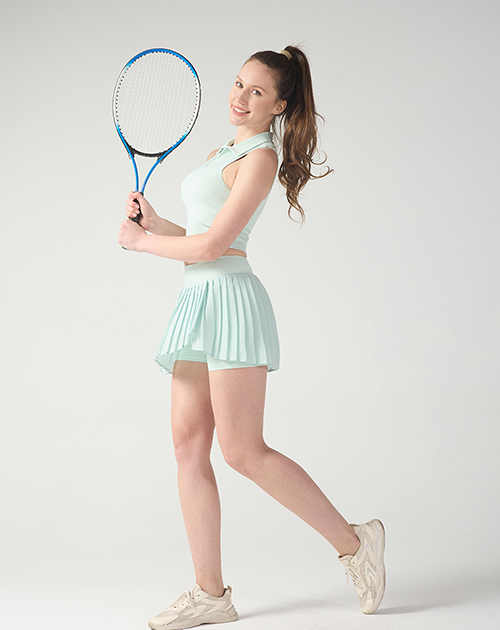
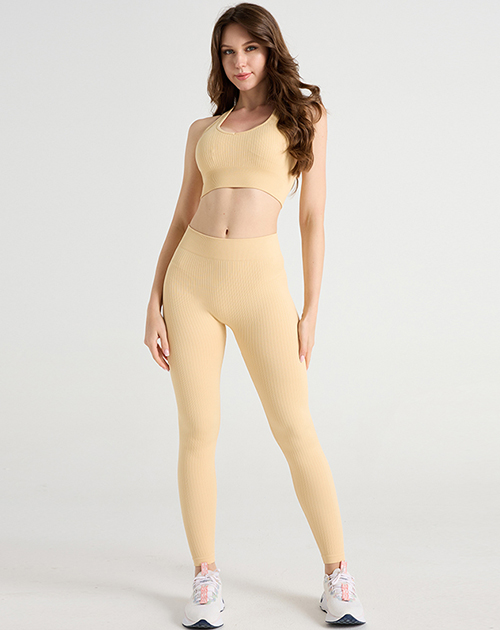
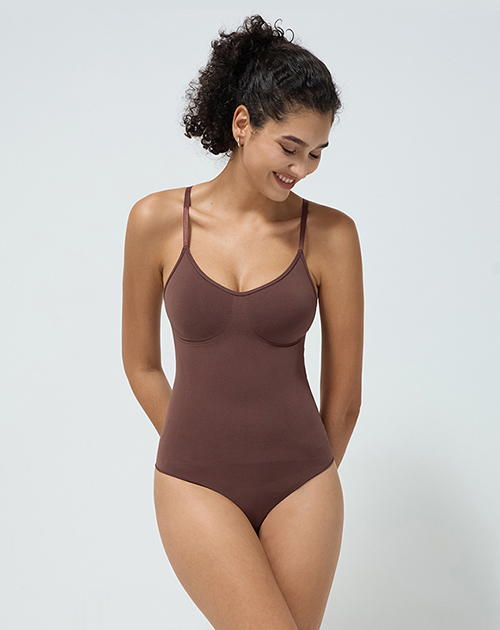
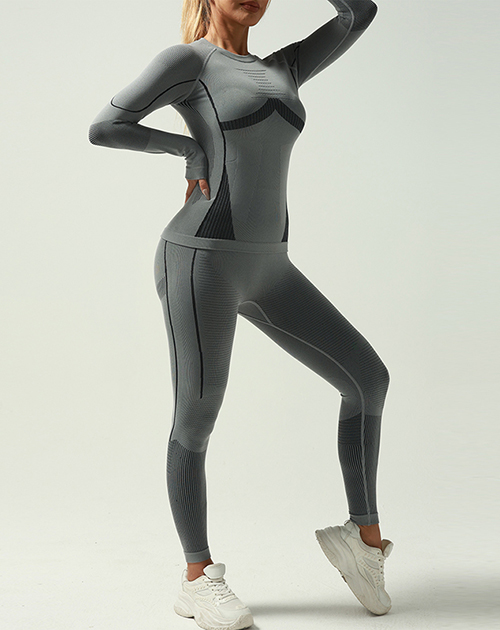
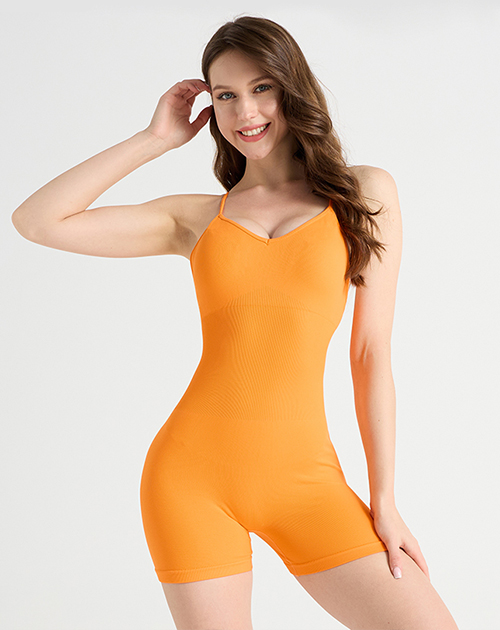
You step onto a yoga mat, drop into the first fold of the morning, and there it is: that faint pull at the inner knee, a waistband pressing where it should not, a seam doing its best impression of sandpaper. Those small frustrations are exactly what Buttery Soft Workout Clothes are designed to remove from the equation. Not through cushioning or padding, but through a specific set of fabric qualities that let the material move with the body rather than against it. Something like water over stone. Strip the marketing away and the meaning is fairly concrete: a fabric that feels smooth and slightly cool against the skin, snaps back after stretching, and leaves no pressure marks behind. When you feel it, you know it. When it is missing, you feel that too. Whether you practice yoga, push through cardio sessions, train with weights, or simply want clothing that holds up from morning movement to evening, the pages ahead have something directly applicable to you.
Three distinct qualities tend to get bundled under this one phrase, and separating them out makes it easier to identify the real thing when you encounter it.
Smoothness is the most basic: the absence of surface drag. Run a fingertip across a smooth-finished fabric and nothing catches. No raised loops, no texture resisting the motion. Plushness layers on a gentle give, a soft cushion between skin and environment. Silkiness, the third quality, is less about texture and more about temperature and glide: that faint cool sensation as fabric shifts against the body during movement. When all three land together, the result is genuinely buttery. When only one or two show up, the fabric might be pleasant, but it is not quite the same thing.
Different fiber families produce these qualities in different combinations:
| Fabric Family | Hand Feel | Suited For | Care Priority |
|---|---|---|---|
| Modal Blend | Silky, fluid drape | Yoga, Pilates, rest days | Cold wash, air dry |
| Microfiber Nylon Elastane | Smooth, second-skin | Cardio, HIIT, spin | Gentle cycle, low heat |
| Brushed Cotton Blend | Plush, slightly warm | Studio, light movement | Gentle wash, avoid tumble dry |
| Lyocell Blend | Cool, soft structure | Long sessions, travel | Delicate cycle only |
How manufacturers get there matters at a practical level. Finer fibers produce a smoother surface because less material is creating texture. Knit construction shapes the outcome further: circular or warp-knit structures produce consistent, flexible loops without the rough edges common in woven fabrics. Finishing steps like brushing or calendaring refine the surface. And blend ratios play a quieter role: a higher share of elastane softens the overall hand feel while improving stretch recovery, which is why two pieces made from nominally the same fibers can feel noticeably different depending on the brand.
The skepticism is fair. The word buttery gets applied to enough mediocre athletic wear that doubting it makes sense. But the functional case holds up when you look at what is actually happening at the skin level.
Friction is the clearest place to start. During any workout, fabric moves against the skin at the same contact zones, over and over: inner thighs, underarms, the edge of a waistband, behind the knees during a squat. Rougher fabrics intensify that friction and eventually cause chafing. Softer fabrics cut that drag. The result is not only surface comfort. It is fewer low-level physical signals pulling your attention away from what you are doing.
Moisture perception adds another layer. Fine microfiber fabrics tend to feel drier even while wicking sweat, because their tight surface structure does not trap warmth the way heavier knits do. That perceived dryness keeps discomfort lower during sweat-heavy sessions. Forty minutes into a class, it registers.
Then there is the attention piece. When the body registers low-level irritation, the brain does not simply ignore it. It allocates focus to managing that signal. Removing the irritation, even a mild one, hands that cognitive space back. Breathing, form, the cues your instructor is giving: all of it becomes a bit more available when nothing on your body is creating a competing signal. Across a full session, the cumulative effect is real.
A fabric that performs well on a yoga mat may feel limiting during a tempo run. That is not a quality problem; it is a fit problem. Choosing Buttery Soft Workout Clothes for a specific activity means thinking about what softness needs to do alongside, not instead of, other performance properties.
| Activity | Softness Priority | Key Feature Needed | Recommended Fit |
|---|---|---|---|
| Yoga / Pilates | Very High | Drape, full stretch | Second skin or relaxed |
| Running / HIIT | Moderate | Moisture wicking, quick dry | Compression or fitted |
| Strength Training | Moderate | Seam durability, support | Fitted with flat seams |
| Travel / All Day | High | Wrinkle resistance, breathability | Mid-rise, relaxed |
For yoga and Pilates, the buttery quality earns its place almost unconditionally. Wide ranges of motion, floor-to-standing transitions, long holds where the fabric needs to stay put without bunching: all of this benefits from a fabric with genuine drape and a second-skin fit. Softness also reduces visual distraction during balance work, where even a slight fabric shift can pull the eye at the wrong moment.
Cardio is more nuanced. Softness still contributes meaningfully over a long run or a high-energy spin session, but wicking becomes equally pressing. A soft modal fabric that absorbs moisture and holds it will feel increasingly heavy as a session continues, undoing whatever comfort advantage it started with. Microfiber nylon-elastane blends tend to navigate this well: smooth surface, effective moisture transfer, soft enough to avoid chafe.
Strength training brings its own demands. Seam construction and compression matter here alongside softness. A flatlock seam on a soft fabric gives you comfort at contact zones without the pressure ridge of a standard overlocked seam. The soft hand feel is most valued during transitions and rest intervals. Under load, seam quality and fabric structure are doing the real work.
Travel and extended daily wear lean back toward softness, with wrinkle resistance and breathability rounding out the priorities. Lyocell blends and fine modal pieces handle long wear across variable temperature conditions without stiffening or becoming uncomfortable as the hours accumulate.
More than most people expect, yes. A fabric that feels genuinely luxurious when held off the body can feel stiff, thin, or uncomfortable when worn in the wrong size or cut. The interaction between fit and fabric hand is where a lot of buyers get let down without understanding why.
A few ways this plays out:
Cut choices matter in this context. High-waist designs in soft fabrics distribute pressure evenly across the midriff, which tends to be more comfortable over extended sessions than a narrower waistband concentrating pressure at a single point. Relaxed cuts in buttery modal work well for recovery days or movement practices where compression is not a goal. Fitted cuts in microfiber blends make more sense for cardio, where a closer fit prevents the fabric from migrating during repetitive movement.
Knowing what to look for before you buy saves time, return shipping, and the specific frustration of opening packaging and realizing the fabric is nothing like the product page suggested. When shopping for Buttery Soft Workout Clothes, the following checklist gives you a structured way to evaluate a piece without relying on brand claims alone.
On the fabric label:
In the construction details:
Testing in store:
Reading online listings:
Red flags worth pausing on: visible pilling on display samples or in user review photos, no named fiber content on the label, seam detail photos showing thick ridge construction, or vague descriptions with no supporting material information.
Soft fabric finishes do not maintain themselves automatically. They respond to how they are treated, and the habits that preserve them are simple enough once they are part of a routine.
Washing:
Drying:
Longer-term habits:
After many washes, if the glide quality starts to fade, a short soak in cool water with a small amount of conditioner made for delicate fabrics can gently refresh the surface texture without leaving residue that affects moisture management. Not a permanent solution, but it extends the useful life of a piece that is otherwise well made.
One quality of genuinely soft activewear that gets less attention is how readily it moves into the rest of the day. The same fabric properties that make it comfortable during movement, the smooth surface, the flexible structure, the way it holds shape, also make it easy to pull into everyday outfits without much effort.
A few combinations that work consistently:
Texture pairing is worth thinking about here. Matte soft fabrics sit well alongside woven or structured pieces because the contrast makes the softness more visible. Pairing two equally drapy fabrics can work, but the silhouettes need to contrast deliberately to avoid reading as unintentional.
For buyers who want to weigh more than tactile qualities, a few practical signals can help without requiring deep knowledge of supply chains.
What to look for on product pages:
One practical tradeoff to keep in mind: the finishing processes that create a particularly smooth or brushed surface sometimes produce a fabric that needs attentive care. Cold wash and air dry only is not a signal of low quality. It means the finish is worth protecting, which is a reasonable tradeoff for most buyers and better to know upfront than after the first wash.
If you want a clear path to a purchase, these four steps bring the key considerations together without overcomplicating the decision.
Softness in activewear is not a secondary quality or a signal of a casual approach to training. It shapes comfort, reduces the kind of low-level physical distraction that wears away focus over the course of a session, and genuinely affects how present you feel during movement. The fabrics that deliver it consistently are specific and identifiable. The construction details that hold that quality through extended use are equally concrete.
A single piece is a reasonable way to start. Trying one option that genuinely qualifies as Buttery Soft Workout Clothes for your primary activity, whether that is a pair of leggings for yoga or a well-constructed sports bra with flatlock seams for cardio, gives you a real reference point that no amount of reading can replicate. That tactile experience becomes a benchmark. Once you know what you are comparing against, extending the same standard across the rest of your wardrobe starts to feel less like a search and more like recognizing something you already know you are looking for. The feel is consistent when it is real, and recognizing it gets easier every time.
Copyright © Jinhua Yongxing Knitting Co., Ltd.
 Seamless Yoga Sets


 English
 русский
 Español