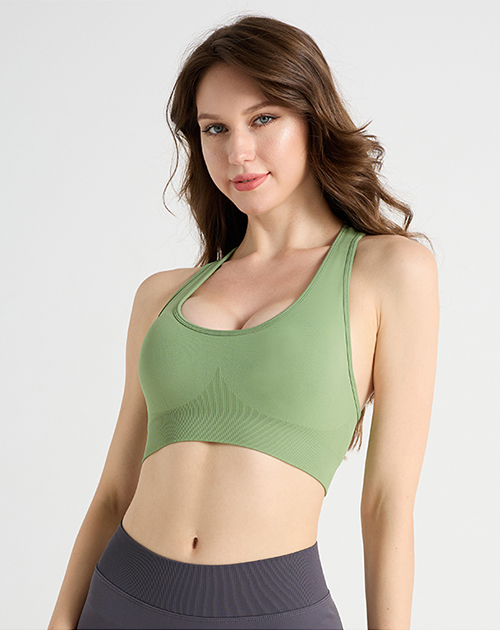
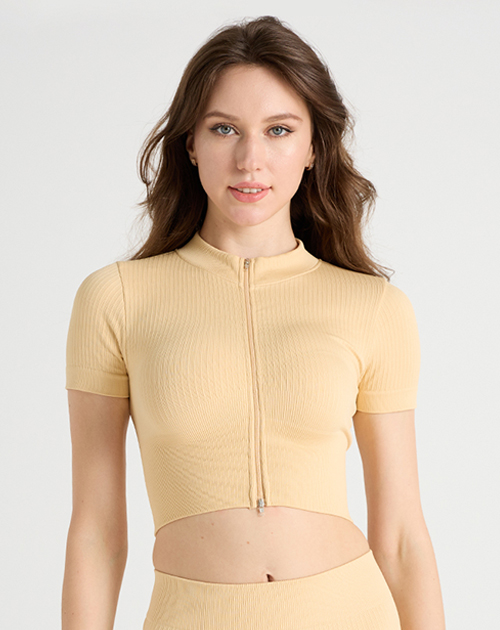
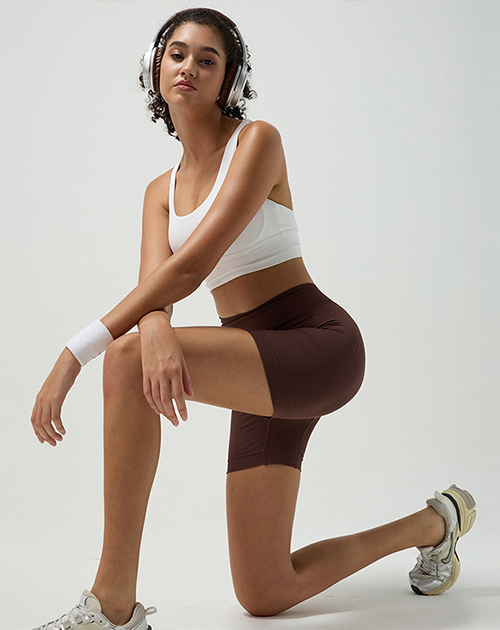
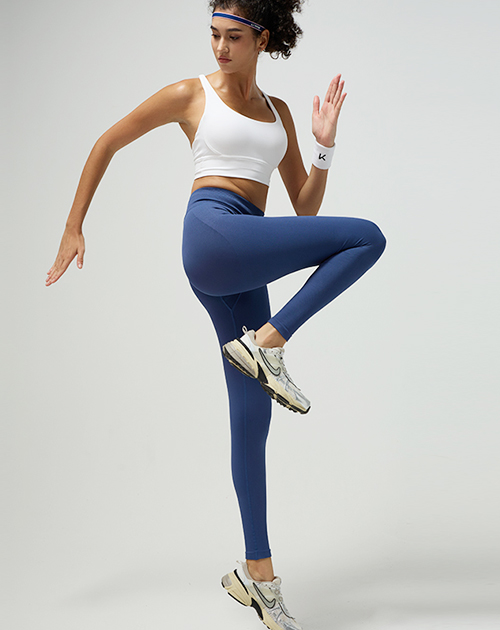
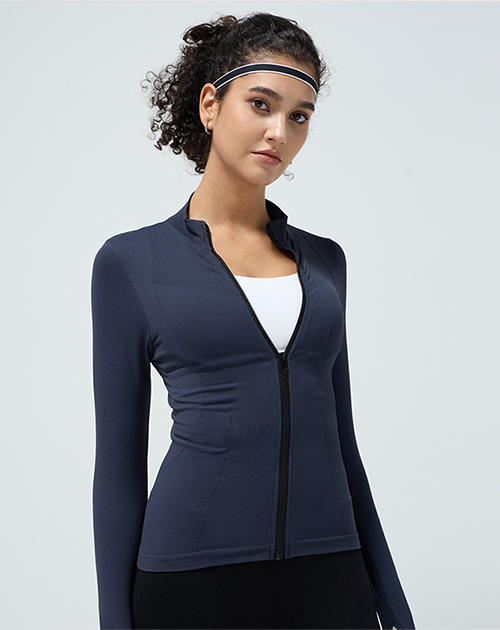
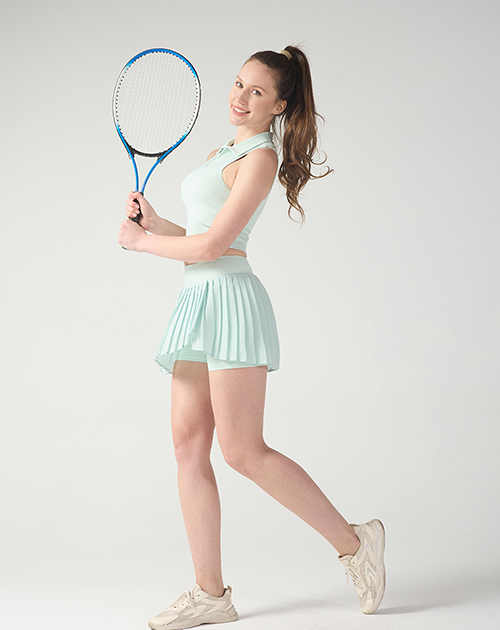
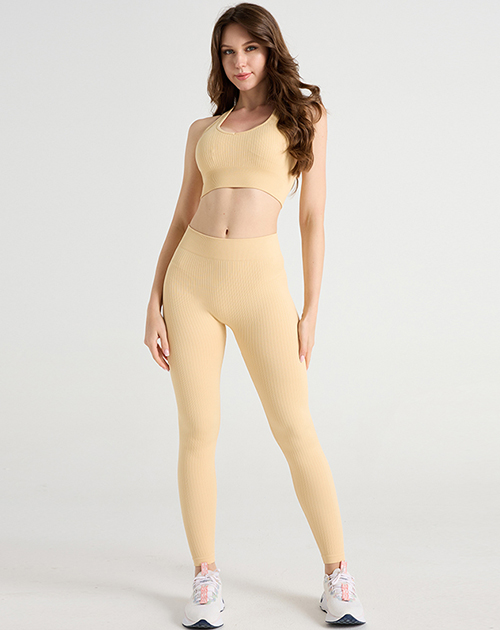
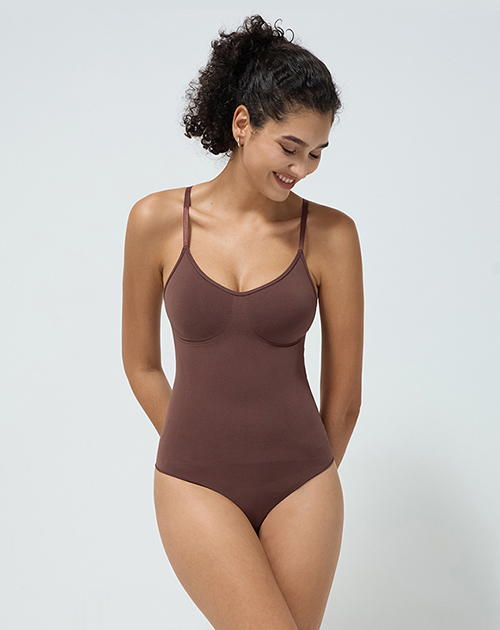
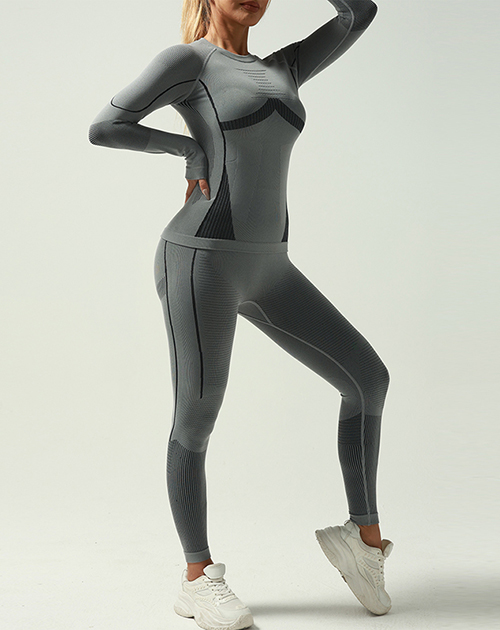
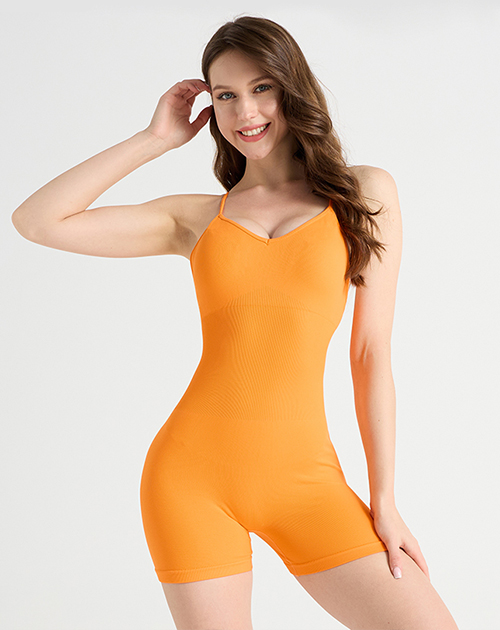
Pull a pair of leggings from the rack and drag your palm across the surface. If they feel almost frictionless, yielding rather than resistant, with a kind of quiet smoothness that does not announce itself, you have just felt what the activewear industry has spent years packaging into two words. The phrase Buttery Soft Workout Clothes has spread far beyond yoga studios into everyday shopping conversations, yet the gap between what the label promises and what the fabric actually delivers can be wide. This guide works through that gap: the real definition, what is actually happening at the fiber level, how to match a pair to your body and activity, and the handful of care habits that keep the feel intact long after the newness has worn off.
The short version: Buttery soft is a description of how a fabric surface feels, not a fabric category or certified standard. It comes from specific fiber choices, knit construction, and finishing work, not from any single material.
Who this is for: Shoppers who want to cut through vague marketing language and make a genuinely informed choice, whether the workout is yoga, heavy lifting, running, or something in between.
Here is the thing about the term: it is not regulated, standardized, or independently verified by anyone. Any brand can print it on packaging. That does not make the sensation unreal, it just means the phrase alone tells you nothing about quality.
A fabric earns the feel when several properties land in the same place at once. Low surface friction, so the material glides rather than grabs. A fine texture that barely registers against skin. Enough stretch to move with the body without that tight, clammy resistance some activewear has. And a drape that follows curves rather than holding a stiff shape on its own.
When a product page uses the phrase well, it backs it up. Fiber percentages, fabric weight, finishing notes, something concrete. When it appears as the only description on an otherwise vague listing, treat it as decoration rather than information.
Looking at product images and descriptions without touching the item, these are the signals worth noticing:
Softness in activewear is not accidental. It is the result of three overlapping decisions made before the garment ever reaches a shelf.
Fiber selection is where it starts. Polyester and nylon dominate this category, often blended with a small share of elastane or spandex. The version of polyester and nylon that creates the buttery effect is the microfiber kind, where individual strands are thinner than a human hair. Pack more of those fine strands into the same square centimeter and the fabric surface becomes genuinely smoother, with less variation in texture for skin to register. Nylon tends to feel slightly silkier on contact; polyester pulls moisture away from the body more aggressively. Both have a place, and the blend you want depends partly on whether comfort or moisture control is the higher priority for your workout.
The knit structure matters just as much. Circular knits and jersey constructions produce a relatively even surface, whereas mesh or power-grid structures introduce deliberate texture that prioritizes support over feel. Brushed jersey goes a step further: after knitting, the fabric surface is treated to raise very fine fiber ends, creating a nap that is lighter than velvet but similar in the way it registers against skin. That nap is often what people are actually describing when they say a fabric feels pillowy.
Finishing is the third layer, and it is where a lot of the softness that gets marketed actually comes from. Peaching drags an abrasive surface across the fabric to lift tiny filament ends. Enzyme washing uses biological agents to gently erode surface irregularities. Neither changes the structural integrity of the fabric in a meaningful way, though overdone finishing can shorten a garment's useful life. Done well, these processes are what push a decent fabric into something that genuinely feels different.
Calling something a performance fabric and calling it a comfort fabric are not mutually exclusive, but they do pull in different directions. Buttery soft construction sits closer to the comfort end of that spectrum, and knowing where the limits are saves a lot of frustration.
A quick breakdown by activity:
| Workout Type | Verdict | Key Consideration |
|---|---|---|
| Yoga / Pilates / Barre | Strong fit | Low-friction surface suits floor work; free drape supports range of motion |
| Running | Moderate fit | Lighter versions work for shorter runs; heavy sweat sessions may compromise comfort |
| HIIT / Circuit Training | Mixed fit | Compression needs vary; soft fabric alone may not provide enough hold during impact |
| Strength Training | Conditional fit | Fine for moderate lifting; heavier compound work benefits from firmer construction |
| Casual / Everyday Wear | Strong fit | The feel and appearance carry well outside the studio |
The tradeoff is real and worth naming plainly. Compression fabrics use tighter, denser knits to hold muscle groups in position and reduce vibration during high-impact movement. Buttery soft fabrics move with the body rather than anchoring it. That freedom of movement is exactly what makes them work well for yoga. It is also why they are less suited to heavy plyometric sessions where support and containment matter more than feel.
Opacity tends to be the thing nobody mentions until it matters. A fabric can feel exceptional and still go translucent the moment it is stretched, which is a different problem entirely from how it feels to wear.
The stretch test is simple and takes about ten seconds:
Heavier fabric weights and tighter knit structures hold up better under stretch. A drapey, lightweight fabric needs particularly dense construction to stay opaque when pulled. Fabric weight alone is not a reliable guide here, but weight combined with a tighter knit usually is.
Once the basics of construction are clear, shopping becomes less about trusting brand language and more about reading the right signals. The checklist below works whether you are standing in a store or scrolling a product page at midnight.
Signs that suggest genuine quality:
Signals worth treating with caution:
The fabric sets the ceiling. What you do with it depends on three things that are specific to you.
Activity shapes the decision before anything else does. Flow-based sessions, yoga, pilates, barre, favor lighter-weight, highly drapey constructions that move fluidly through transitions. A high-rise waistband is a practical consideration here, not just an aesthetic one: it holds position through forward folds and inversions without needing constant adjustment. Running shifts the priority. Softness is still welcome, but moisture management needs to carry equal weight. A construction that pulls sweat away from skin rather than holding it in place makes a meaningful difference over longer efforts. For gym work, the question is how much the body needs to be held versus how freely it needs to move, and that answer changes depending on whether the session involves heavy compound lifts or moderate accessory work.
Body fit is genuinely as important as fabric quality. A well-made fabric that gaps at the waist or bunches at the knee has failed, regardless of what it cost. Brands that offer a wide range of sizes and provide detailed measurements for each size make this less of a guessing game. Trying multiple cuts, high-rise versus mid-rise, full-length versus cropped, reveals quickly which silhouette actually works with a particular body, because soft fabrics behave differently depending on where they sit. Higher elastane percentages tend to accommodate a broader range of shapes through better recovery; lower percentages fit a narrower range well and may sag slightly on the others.
Style is the part people sometimes apologize for caring about, but it belongs in the conversation. Leggings worn consistently are leggings that fit the way the person sees themselves. Whether that means a clean, versatile neutral or something with a pattern that feels intentional, the right visual fit is part of the overall comfort of a piece. A garment that sits unworn because it never quite felt like a deliberate choice is not a good value at any price.
Most softness loss happens in the wash, not during wear. The finishing processes that create the surface feel are genuinely sensitive to heat and certain chemicals, and the damage tends to be gradual enough that it goes unnoticed until a comparison to a new piece makes it obvious.
Washing: Cold water, gentle cycle, every time. Heat plus mechanical agitation is what breaks down brushed surface finishes. Running the garment inside out reduces abrasion on the outer surface, and a mesh laundry bag keeps it away from zipper hardware and rougher fabrics in the same load. Check the care label on each specific piece first; these principles hold broadly, but individual garments sometimes have particular requirements.
Drying: Air drying away from direct sun or concentrated heat is the safest option. Dryer heat contracts elastic fibers, and repeated contraction over many cycles gradually distorts the knit structure in ways that cannot be undone. A low heat setting is meaningfully less damaging than a standard one if a dryer is unavoidable, but the cumulative effect still adds up.
The fabric softener question: Skip it. The logic feels backwards, but fabric softeners deposit a coating on fiber surfaces that traps odor over time and compresses the surface nap responsible for the softness people are trying to preserve. For leggings that have started to feel slightly stiff after repeated washing, a small pour of white vinegar in the rinse cycle releases mineral buildup without the residue problem. It works better than most people expect.
Pilling appears on surfaces that experience repeated friction, usually at the inner thigh and waistband area. A fabric shaver handles it cleanly without damaging the underlying structure, but only if addressed early. Once the overall finish degrades noticeably, it does not come back. Seams that start to separate and fabric that no longer snaps back to its original shape after stretching are the clearer signs that a garment has run its course.
Price does not reliably predict quality in activewear. Some higher-priced pieces justify the cost through genuine material investment, precise construction, and consistent sizing. Others are priced on brand recognition alone. A mid-range piece with a transparent fabric specification on the label is often a better purchase than something more expensive with only lifestyle imagery to support the price.
What actually backs up cost: specific fiber sourcing, flatlock seaming that reduces chafing, clear and honest sizing guidance, and care information provided proactively rather than buried. What does not: celebrity associations, trend positioning, or marketing language that circles back to the same two words without adding anything concrete.
Specialist activewear labels and smaller producers tend to share more fabric detail than mass-market platforms, partly from genuine customer expectation and partly because specificity is how they compete. When buying through a marketplace rather than directly from a brand, prioritize sellers who list fiber composition openly and have an accessible return process for fit issues.
Part of the appeal of well-made buttery soft activewear is how naturally it carries outside a workout context. The drape and surface finish read as considered rather than athletic, which makes casual pairing fairly effortless.
A neutral-toned legging with a longline knit cardigan and flat shoes transitions cleanly from a morning class to errands without looking like a compromise.
A fitted soft long-sleeve worn under an open overshirt layers easily through cooler temperatures without the stiffness or bulk of technical outerwear.
High-waisted silhouettes tucked under a casual shirt create a line that reads as an actual outfit rather than leftover gym clothes.
When the shortlist gets to two or three options, a consistent comparison format cuts through the noise. Six fields cover what actually matters:
| Field | What to Record |
|---|---|
| Fiber Composition | Full percentage breakdown of every fiber in the blend |
| Fabric Weight | Grams per square meter or denier, if listed |
| Opacity Rating | Pass or fail based on the stretch-to-light test or consistent reviewer feedback |
| Compression Level | Light, medium, or firm, based on construction details and multiple reviews |
| Care Notes | Highest safe wash temperature; air dry only or low heat dryer |
| Noted Use Case | Activities the brand or confirmed buyers recommend the piece for |
Softness in activewear is a real quality when it comes from actual construction choices, fine fiber blends, brushed or peached surface finishes, and knit structures built for drape. It is not a material category and not a guarantee, which is why the same two words appear on pieces that feel genuinely good and on pieces that feel unremarkable within a month. Reading the fiber composition, running the opacity test, checking review patterns for consistency, and matching the construction to your actual activity narrows the field considerably. Add to that an honest read of your own body and what silhouettes actually work, the workouts you do most often, and the care habits you will realistically maintain, and the choice becomes much less about trusting marketing and much more about knowing what to look for. A well-chosen piece maintained with cold water and no fabric softener holds its feel for a long time. That is not a minor thing in a category where so much wears out quickly.
Copyright © Jinhua Yongxing Knitting Co., Ltd.
 Seamless Yoga Sets


 English
 русский
 Español