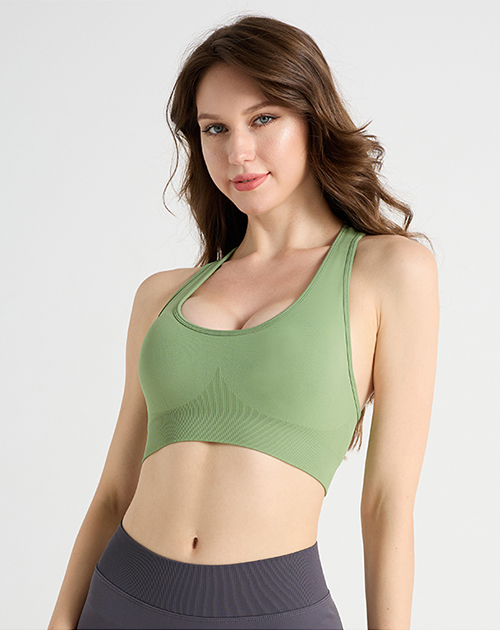
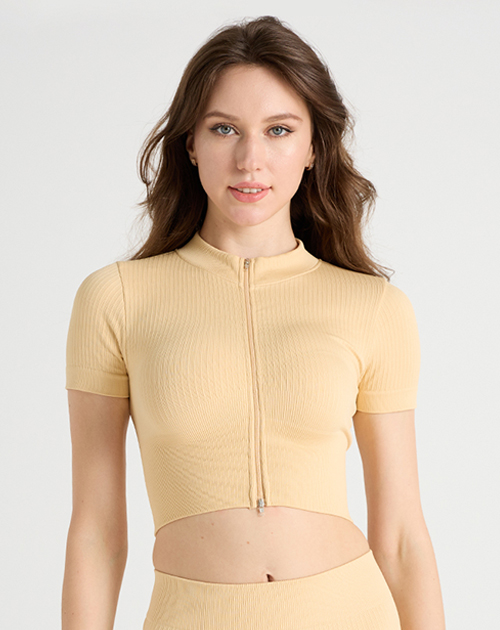
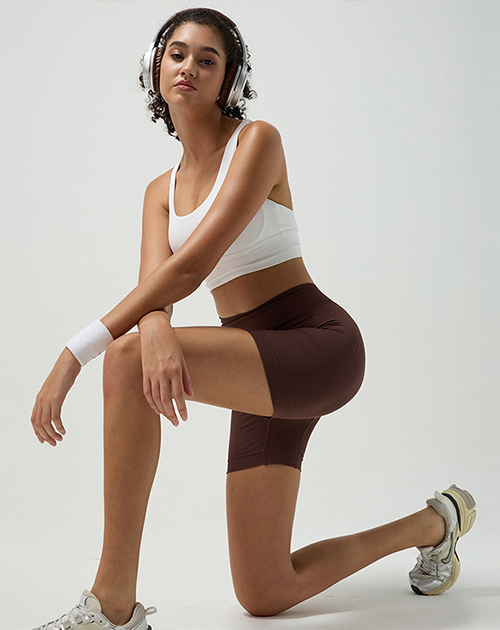
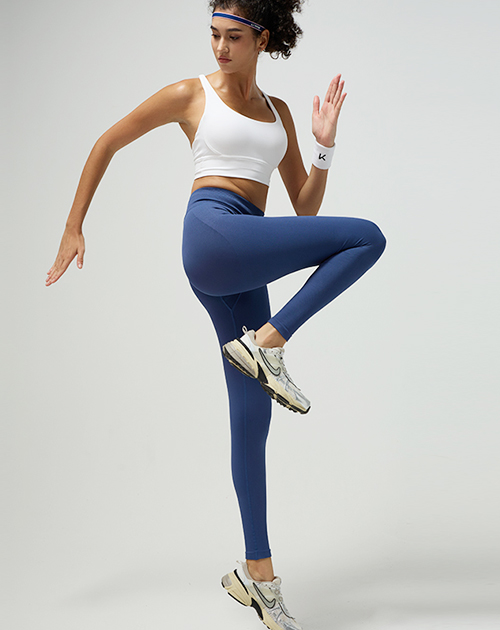
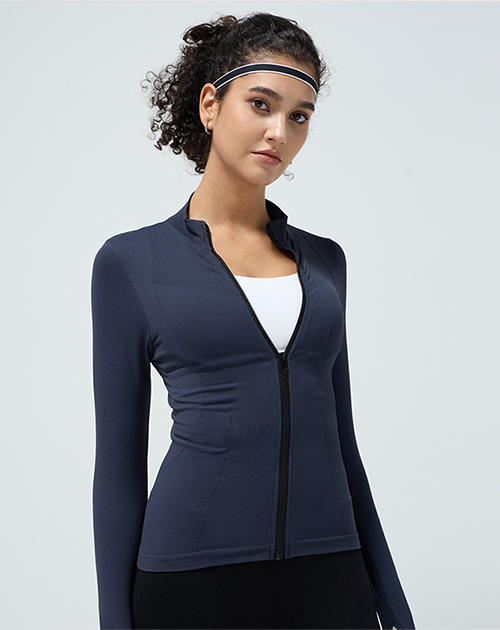
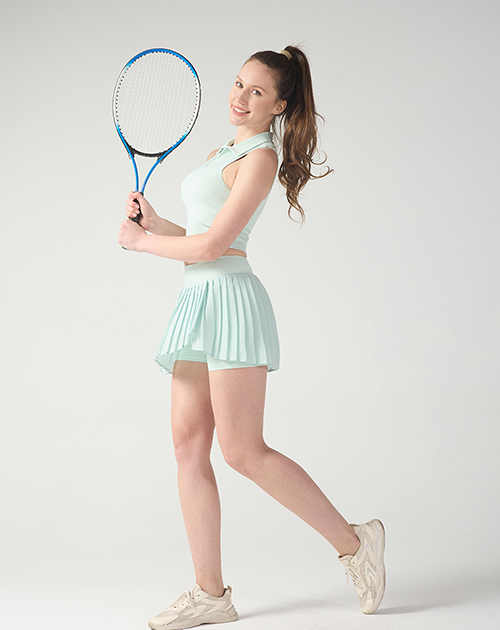
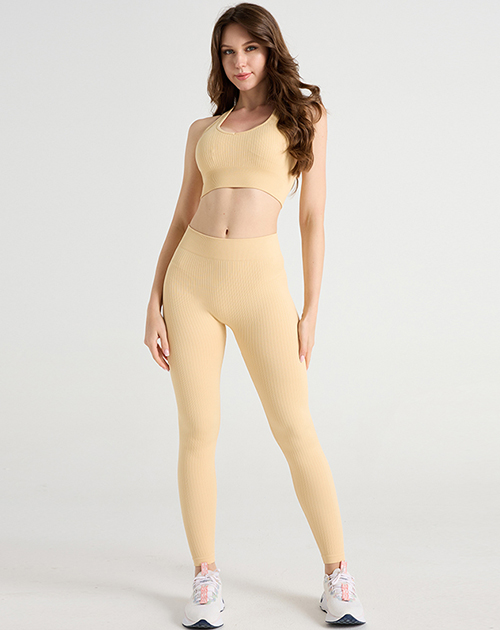
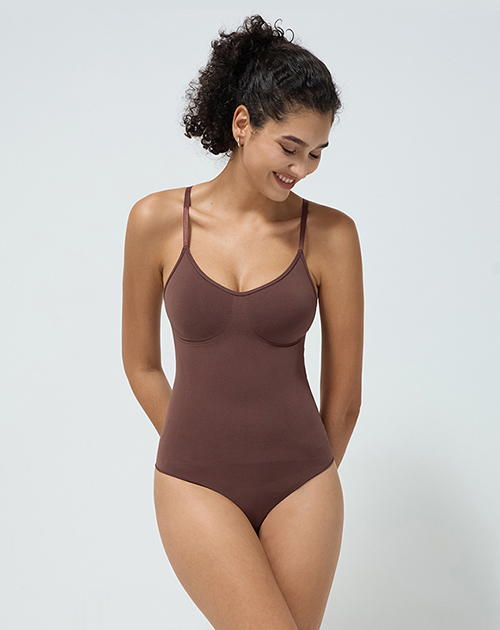
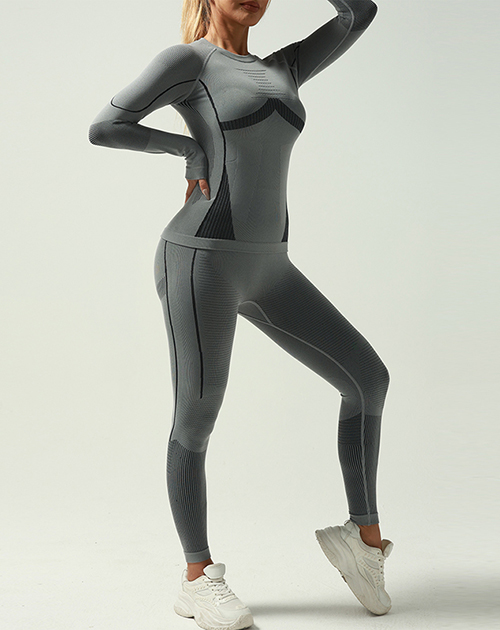
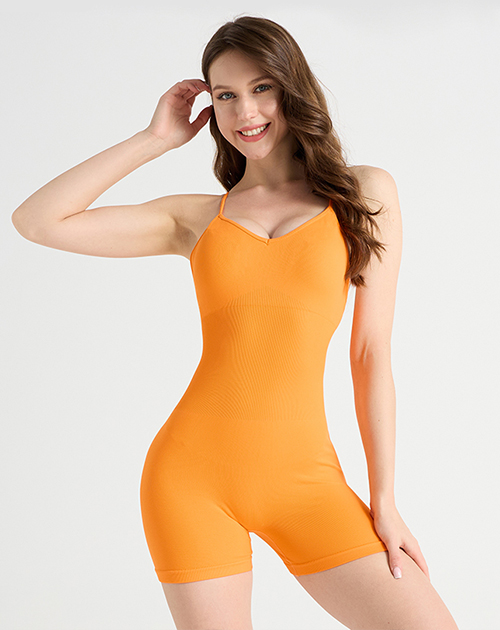
You pull on a favourite training top and something feels off — rougher than it used to be, less comfortable against the skin. If you have ever owned Buttery Soft Workout Clothes, you already know how quickly that initial smoothness can fade after just a few washes. The good news is that the softness is rarely gone permanently. A few deliberate changes to how you wash, dry, and store your activewear can make a real difference, and the results tend to show faster than most people expect.
Most people assume softness is simply a property of the material — something that either holds or does not. That assumption leads to a lot of unnecessary frustration. The reality is that softness in performance fabrics comes from several things working together: the fineness of the fibers, how the yarn is twisted, surface treatments applied during manufacturing, and sometimes a light brushing process that creates a smooth outer layer.
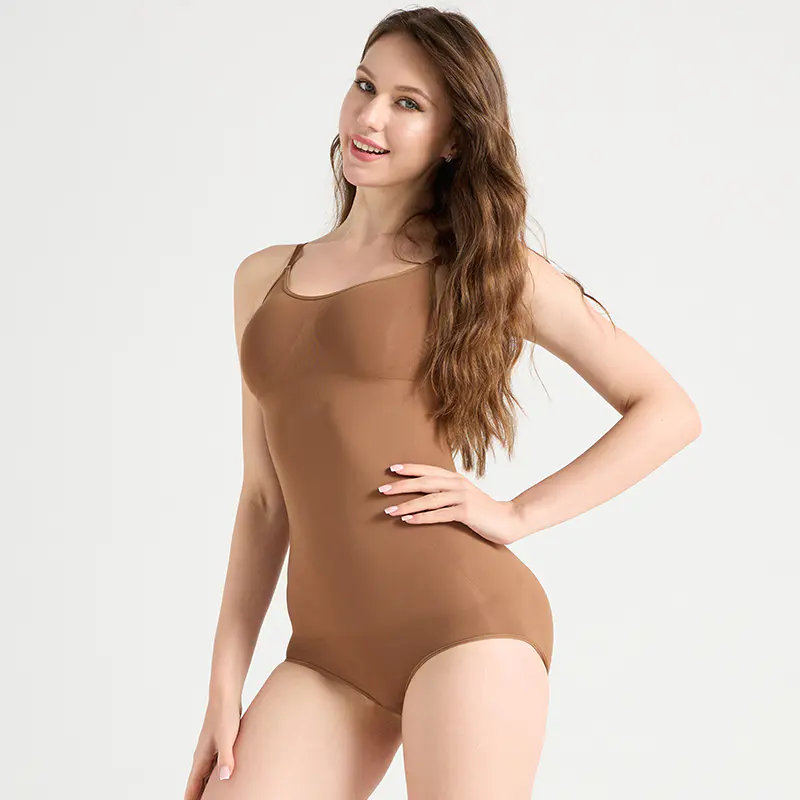
Washing works against all of these at once. Detergent residue settles into the weave and stiffens the fibers. Hot water causes synthetic fibers to contract. Aggressive spin cycles roughen the surface through friction. None of these effects is dramatic on its own — but over time, even a fabric that started with a beautifully smooth finish can end up feeling coarse and flat.
Shifting how you think about laundry helps here. The goal is not just to clean the garment. It is to clean it without undoing what made it feel good in the first place.
Not all activewear fabrics behave the same way in a wash cycle — some fibers are forgiving, others are genuinely not. Here is a practical overview of the fabric families most commonly associated with a smooth, plush feel:
| Fabric Type | Key Characteristics | Care Sensitivity |
|---|---|---|
| Modal | Derived from beechwood pulp, naturally smooth | Medium — handles gentle machine wash well |
| Micro-modal | Finer version of modal, very silky | High — prefers cold water and gentle cycles |
| Lyocell / Tencel | Sustainable fiber, fluid drape, soft surface | Medium-high — avoid excess heat |
| Brushed polyester blends | Smooth surface from mechanical treatment | Medium — heat can flatten the brushed finish |
| Polyester-spandex blends | Stretchy, moisture-wicking, smooth | Medium — spandex degrades with high heat |
| Brushed cotton blends | Natural feel, soft nap | Low-medium — shrinks in high heat |
Reading care labels is not optional for these fabrics. The symbols tell you the water temperature limit, whether machine washing is safe, and whether tumble drying is permitted. If the label shows a hand-wash symbol, treat that as a genuine instruction rather than a loose suggestion you can ignore when you are in a hurry.
Considerably. And yet detergent choice remains one of the most overlooked parts of activewear care.
Many standard laundry products contain enzymes designed to break down organic matter. Effective for cleaning, yes — but those same enzymes can slowly degrade the surface treatments that give smooth fabrics their feel. The damage is gradual enough that most people never connect it to their detergent at all.
A purpose-made activewear detergent is the practical choice if you can access one. If not, a small amount of mild liquid detergent used sparingly gets the job done without causing significant damage over time.
Consistency in process makes a noticeable difference — not dramatic after a single wash, but genuinely meaningful across dozens of cycles. Here is a practical routine worth following:
This question comes up constantly, and the honest answer is that it depends on the fabric.
On natural fiber blends like modal or brushed cotton, a small and occasional amount of fabric softener can help maintain a smooth feel without significant problems. On polyester-spandex blends, however, softener coats the fibers and reduces their ability to pull moisture away from the skin. On garments with any anti-odour or moisture-management finish, it breaks that treatment down gradually with each use.
Three practical alternatives worth knowing about:
Drying is where a lot of softness damage quietly accumulates. High dryer heat flattens fabric finishes and breaks down elastic fibers, and by the time the damage becomes visible, it has usually been building for months.
Here is what the practical guidance looks like in real terms:
Sometimes the damage has already happened, and the question becomes what can realistically be done about it.
Stiffness after washing usually points to detergent or mineral buildup sitting in the weave. Running the garment through a rinse-only cycle with a small amount of white vinegar in the compartment, followed by air drying flat, often brings back noticeable softness without any further treatment needed.
Loss of stretch or shape typically means heat exposure during washing or drying. Soaking briefly in cool water, reshaping gently, and laying flat to dry helps with mild cases. Repeated heat damage is harder to reverse fully, which is exactly why prevention matters more here than any fix after the fact.
Persistent odour even after washing tends to be bacteria and residue trapped in synthetic fibers. A short soak in cool water with a small amount of baking soda before the regular wash cycle loosens the buildup and makes the subsequent clean meaningfully more effective.
Surface pilling comes from friction — both during wear and in the wash. A fabric shaver removes pills carefully without thinning the material, while washing inside out in a laundry bag going forward reduces the friction that causes further pilling.
Every session? Not necessarily — though it depends entirely on how the garment was used.
Activewear worn during sweat-heavy training should be washed after each use. Salt and bacteria left sitting in the fabric over multiple wears degrades fibers faster than washing does, which surprises some people. Garments worn for light activity or as outer layers can often be aired out and worn again before going into the wash cycle.
The one habit worth breaking immediately is leaving damp activewear bundled in a gym bag for any extended period. It accelerates odour development and puts unnecessary stress on fibers in a way that is genuinely difficult to recover from later.
Use this each time you wash your activewear:
Care habits compound quietly over time. A garment washed gently and dried carefully across fifty cycles will feel noticeably different from one subjected to hot washes with heavy detergent doses — and that difference widens rather than stabilising. Fabric-focused producers such as Yongxing invest considerable effort into the finish and construction of their pieces, and preserving that work comes down to care routines that actually match the fabric's needs.
Storing activewear folded flat is gentler than hanging it on narrow hangers, which gradually distorts stretchy pieces. Rotating between garments gives fibers time to recover their natural shape between uses — a small habit that adds up meaningfully. When early signs of softness loss appear, a vinegar rinse or a detergent adjustment at that point is far more effective than trying to reverse significant damage later. Caring properly for activewear, including pieces that initially feel like Buttery Soft Workout Clothes, takes no more time than doing it carelessly. The difference is simply in which habits you build — and the cumulative result across months and years of use.
Copyright © Jinhua Yongxing Knitting Co., Ltd.
 Seamless Yoga Sets


 English
 русский
 Español