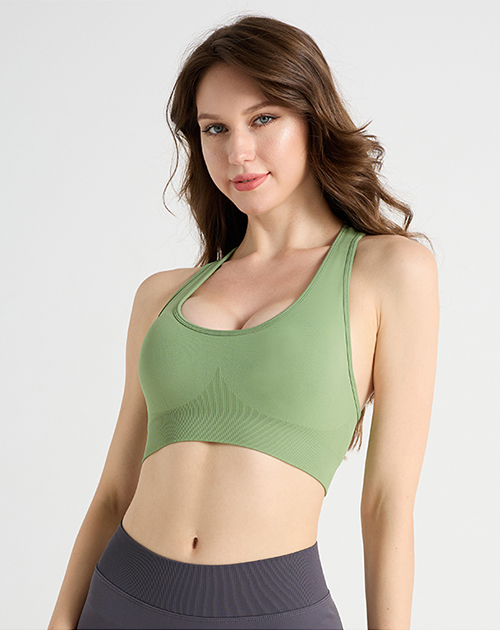
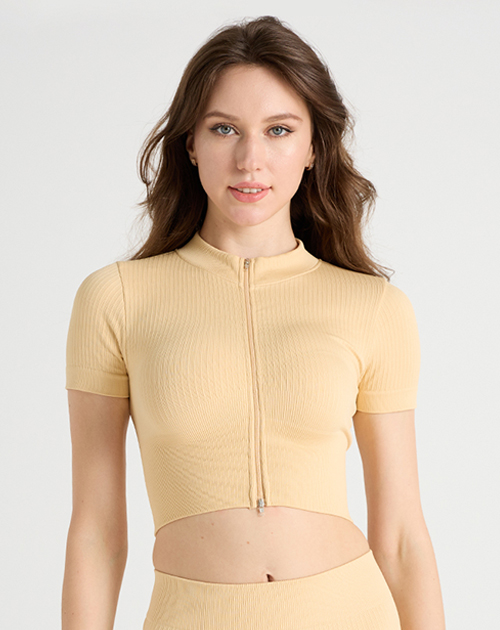
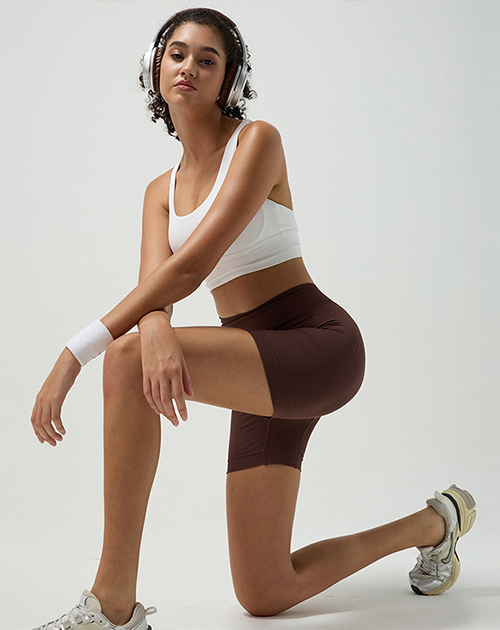
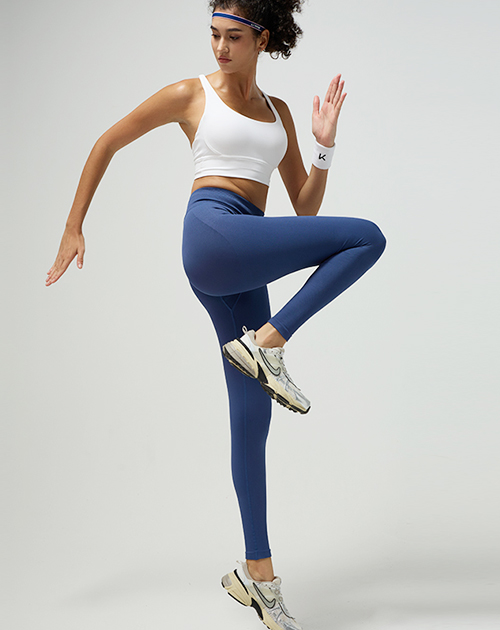
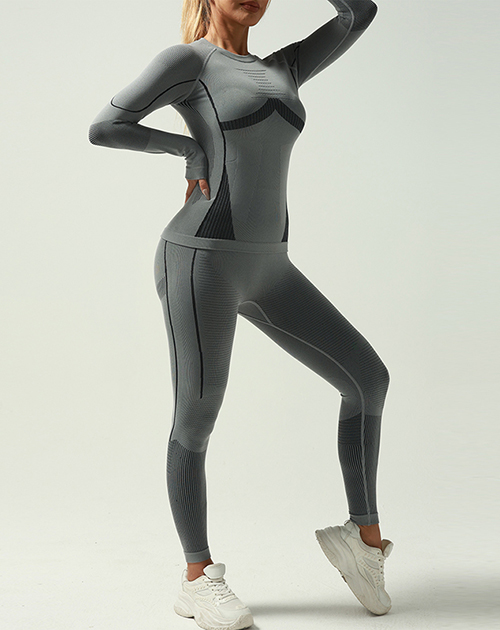
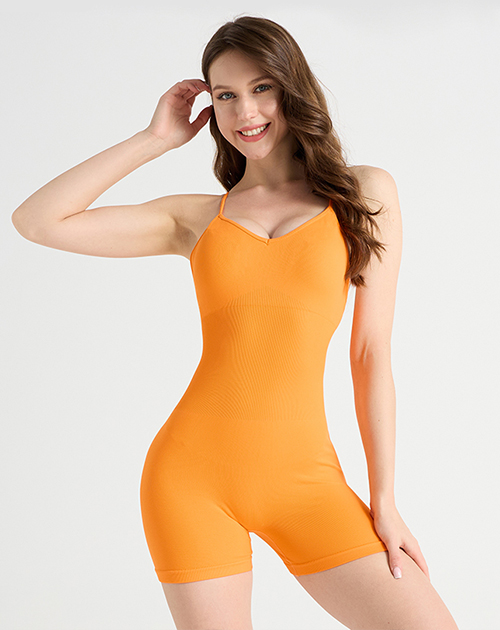
When it comes to remaining comfortable and active during exercise, finding suitable activewear can seem like a considerable challenge, especially for those who need more dependable support. Individuals with fuller figures commonly find it difficult to identify garments that deliver both genuine comfort and the structure required to stay secure through motion. The task becomes more demanding when seeking something that feels gentle against the skin while still providing reliable performance. This is where seamless sports bras designed for larger bust sizes come into view, presenting an option that integrates thoughtful construction with effective support. These pieces have become more widely appreciated because they eliminate the rubbing seams often found in traditional styles during prolonged activity, yet continue to supply the firmness needed for confident movement. In the sections that follow, we will examine what contributes to the practical effectiveness of these garments, how they differ from more conventional designs, and which characteristics merit attention when choosing one.
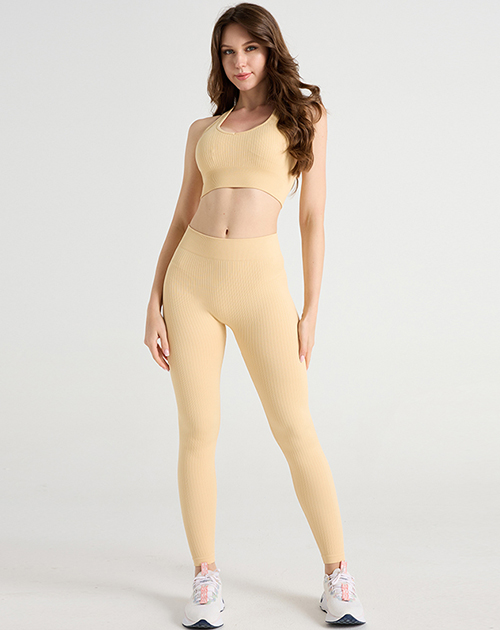
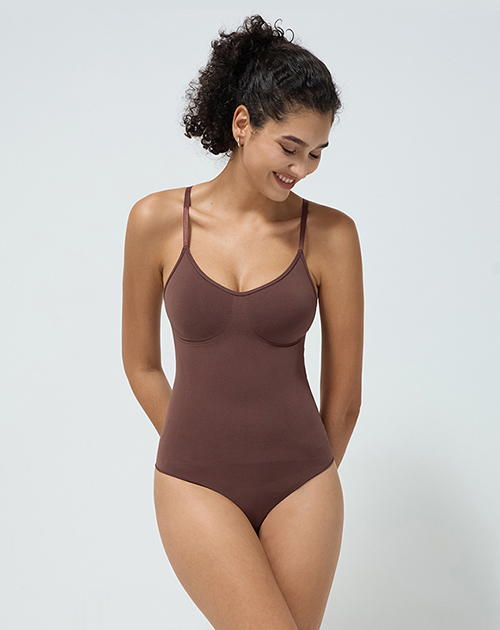
Recognizing the primary differences between seamless and traditional construction helps explain its increasing popularity. Typical activewear is produced by cutting distinct fabric sections and sewing them together, resulting in seams that can develop into pressure points or sources of rubbing during motion. Seamless garments are made using circular knitting machines that construct the complete item as a single, uninterrupted piece. This process entirely eliminates side seams, which substantially decreases the potential for friction-related discomfort.
The materials incorporated into these garments play a central role in their effectiveness. Manufacturers often blend synthetic fibers like nylon with elastane or spandex to form fabric that stretches in several directions and recovers its shape afterward. These combinations allow the garment to adapt fluidly to body movements rather than opposing them, providing stretch in areas that require it and maintaining structure in zones that need support. The level of elastic fiber content determines the fabric's stretch and recovery characteristics, influencing both immediate comfort and durability through repeated wear.
Advancements in production have enabled more refined methods for creating supportive activewear without seams. Three-dimensional knitting permits variations in fabric density across one garment, allowing sections with customized compression levels. Firmer, denser knitting around the band area contributes to stability, while lighter knitting on the sides supports better airflow and greater mobility. Certain styles feature targeted zones that apply controlled pressure in precise locations, assisting with motion management without an excessively restrictive sensation. These innovations represent a meaningful progression from earlier seamless designs that at times did not deliver adequate structural support for fuller figures.
Why Does Proper Support Matter So Much During Activity?
The patterns of movement involved in exercise demonstrate why effective support becomes increasingly vital as bust size increases. Breast tissue moves in multiple directions simultaneously—not merely vertically, but also laterally and forward-backward. Without proper control, this shifting can result in discomfort, reduced concentration, and ongoing stress on natural supporting tissues. The Cooper's ligaments, which assist in maintaining breast tissue position, are at risk of permanent stretching when repeatedly subjected to unsupported forces.
Individuals with larger busts commonly face certain challenges that may not arise for those with smaller frames. Back strain can occur when insufficient support prompts the body to modify posture in an effort to offset forward weight. Shoulder straps that are too narrow or mispositioned in some designs can press into the skin, causing persistent indentations and, in certain cases, contributing to nerve-related discomfort over time. The underband may ride up or roll if it lacks sufficient elasticity or if the fit requires adjustment, which eliminates the stable foundation the band is designed to offer.
Several persistent misconceptions remain about what fuller-figured individuals need in activewear:
Knowing the design elements that contribute to effective performance makes it easier to compare options. Here are the aspects that tend to matter most:
Wide straps spread weight over a larger area, which helps lessen pressure on the shoulders. Straps at least one inch wide generally offer more comfort during longer periods of wear. Adjustability lets you fine-tune the fit to account for natural body changes or gradual loosening of elastic over time. Some styles include convertible straps that can be worn straight or crossed in the back to suit different movements.
Full-coverage cups that reach high on the chest and extend well to the sides help contain tissue during active motion. The cups should surround each breast individually rather than simply pressing everything flat. Inner layers or molded foam often help retain shape and provide additional coverage. Certain designs use internal vertical shaping within the cups that remains hidden from view but improves lift and separation.
The band around the ribcage supplies the majority of support in bra-style garments. It needs to fit snugly enough to stay in place during movement without restricting breathing or causing bulging. A band with several rows of hooks or greater overall width helps distribute pressure more evenly. The band should remain level around the torso, without riding up in the back, which usually signals that it is not snug enough.
Moisture-wicking fabrics draw sweat away from the skin and allow it to evaporate from the surface, helping keep you drier. Breathability is especially useful in areas where fabric layers overlap or where heat builds up naturally. Anti-microbial treatments can reduce odor buildup during and after activity. Four-way stretch allows the material to move freely in all directions while holding its shape.
Even in seamless garments, hidden internal features often enhance support. Power mesh panels deliver focused compression in particular zones. Interior slings or cradles provide lift and separation without creating visible lines on the outside. Bonded edges in some areas replace traditional elastic, helping maintain structure while keeping bulk to a minimum.
Seamless construction reduces irritation from fabric edges rubbing against the skin over time. This benefit stands out particularly where straps meet the body or where the band rests against the ribcage. A continuous fabric surface also spreads tension more evenly throughout the garment, helping avoid concentrated stress points that could lead to earlier wear.
| Consideration | Why It Matters | How To Assess |
|---|---|---|
| Band Size | Provides primary support | Should fit snugly on loosest hook when new |
| Cup Volume | Prevents spillage and discomfort | All tissue should sit within cups without bulging |
| Strap Width | Distributes weight across shoulders | Minimum one inch width for fuller busts |
| Fabric Composition | Affects durability and comfort | Look for high elastane content for recovery |
| Activity Level | Determines compression needs | Higher impact requires firmer support |
Accurate measurements provide the basis for a proper fit. Measure around your ribcage just under the bust while wearing a non-padded bra, keeping the tape level. Round to the nearest whole number. Then measure around the fullest part of the bust. The difference between these numbers guides cup size, though sizing varies by brand. Many people find they have been using an incorrect size, often with a band that is too loose and cups that are too small.
Compression styles press the breasts toward the chest wall to limit motion, which can suit smaller busts but may feel confining for fuller figures. Encapsulation styles feature separate cups that surround and support each breast individually, much like a conventional bra. This method usually offers better comfort and control for those needing more substantial hold. Many current designs blend both techniques, relying mainly on encapsulation with added light compression for extra stability.
Racerback styles bring straps closer together at the back, which can prevent slippage during overhead movements. This configuration suits activities with raised arms. Standard strap placement often feels more comfortable for lower-impact or prolonged wear. Front-closure designs make putting the garment on and taking it off simpler, which can be helpful for those with limited mobility. Coverage level also plays a role, with higher necklines providing added security for high-impact efforts while lower cuts suffice for gentler activities.
Feedback from others with comparable body types offers useful perspective on real-world performance. Look for comments that address support, durability, and sizing accuracy. Whenever possible, test garments by moving in them rather than just standing still. Perform actions like jumping, raising arms overhead, and twisting side to side to gauge how the piece holds up during actual motion.
Too little support leads to noticeable movement, which can cause discomfort and the gradual strain discussed earlier. You may notice bouncing or shifting that feels unsteady during activity. On the other hand, too much compression can make breathing feel restricted, create discomfort, and sometimes affect circulation. The garment might seem overly tight even at rest, and you could see red marks or indentations that linger for a while after taking it off. Achieving the right balance involves paying attention to how the piece feels both during movement and afterward.
Seamless construction can sometimes offer fewer size choices compared to traditional styles that provide separate band and cup options. Certain brands rely on simple small-medium-large categories that may not accommodate differences in body proportions. Someone needing a larger cup with a smaller band might find that sizes fitting the cup volume have bands that feel too loose. Likewise, a person with a larger band but smaller cup could discover that sizes matching the ribcage result in cups that gap or wrinkle. While manufacturers have begun addressing these variations more effectively, some limitations persist.
Although seamless designs remove the rubbing from traditional seams, other sources of discomfort can still appear. The band edge might roll or fold during intense activity, introducing friction in a new area. Straps could sit in positions that chafe sensitive skin. Even seamless fabric can lead to chafing if it becomes soaked with sweat and remains damp against the body. These problems tend to surface more often during extended sessions or in warm, humid conditions where sweat outpaces the fabric's ability to wick it away.
Even with adequate support, a certain amount of motion is unavoidable in high-impact activities. Running, jumping, and similar efforts generate forces that test any garment's capacity to contain movement fully. The key is whether that motion remains within a tolerable range or becomes distracting and uncomfortable. The specific activity, your tissue characteristics, and the garment's construction all play a part in the result. Many find that different activities call for different support levels rather than relying on a single piece for every purpose.
Hand washing in cool water with a mild detergent helps elastic fibers last longer than machine washing, although many current garments tolerate delicate machine cycles. Using a lingerie bag protects straps and reduces stretching during machine washing. Skip fabric softener, as it can coat fibers and impair moisture-wicking performance. Avoid the dryer entirely, since heat weakens elastic quickly. Gently press out excess water and lay the garment flat or hang it to dry, keeping it away from direct heat or sunlight.
Store pieces flat or on hangers rather than folding them in ways that set permanent creases. Prevent overcrowding in drawers, which can compress fabric and affect its shape. When hanging, choose wide hangers that support the full width of the band instead of narrow ones that might stretch straps. Keep garments away from rough surfaces that could snag or pull the material.
Even with careful maintenance, elastic fibers gradually lose their ability to recover. Indicators that it may be time to replace include:
With regular use, most garments of this kind maintain their performance for six months to a year, though this depends on how often they are worn, how they are cared for, and the intensity of the activities.
Finding activewear that offers genuine support for fuller figures involves learning about seamless construction technology and understanding your own body's requirements. Seamless sports bras for larger bust sizes mark a meaningful improvement in both comfort and performance, removing the irritation caused by traditional seams while integrating thoughtful design features that deliver effective support. The essential point is that support arises from several elements working in combination: a secure band, suitable cup design, reliable materials, and carefully considered details.
Your decision-making should emphasize proper fit above everything else, since even a carefully developed garment will not perform adequately if it does not align with your body's proportions. Allow time to measure precisely, test different options, and observe how each piece behaves while you move rather than only when standing still. Various activities require different degrees of support, so putting together a few pieces tailored to specific needs tends to be more practical than seeking one item intended to handle every scenario. With clear information and openness to trying various styles, it becomes possible to locate choices that support comfortable, confident participation in the activities you enjoy.
Copyright © Jinhua Yongxing Knitting Co., Ltd.
 Seamless Yoga Sets


 English
 русский
 Español