People talk about great workout clothes. They often use the words "buttery soft." This is not just a marketing phrase. It is a common way to describe a specific feeling. The feeling is ultra-soft, very smooth, and gentle on the skin.
What makes this special feeling? How is it created in high-performance fabrics? The answer is not simple. The "buttery soft" touch is not a vague idea. It is the result of clear science and engineering. It comes from the careful combination of four main areas of textile science.
This article explains these four areas. We will look at fiber engineering, yarn structure, fabric construction, and surface finishing. Together, these elements create the experience of buttery soft workout clothes.
The journey to softness starts with a single fiber. What a fiber is made of and how it is shaped matters a lot.
First, think about fiber thickness. Thinner fibers bend more easily than thick ones. Fabrics made with very fine fibers, like microfiber polyester or nylon, feel softer. The fibers have low bending stiffness. This lets the fabric drape and move softly against your body.
Next, look at the fiber's shape. Not all fibers are round. Some have special shapes. They can be shaped like a plus sign, a Y, or even be hollow. These shapes are not random. They create more space between fibers in the fabric. This makes the fabric feel fuller and more luxurious. It can also give a smooth, slick feeling that people describe as "buttery." Some fibers also have tiny grooves on their surface. These grooves help pull moisture away. They also reduce the amount of fiber surface touching your skin. This can create a cool, soft feel.
Finally, the material itself is important. Polyester and nylon are common. But how they are made can change their feel. Scientists can change the chemical recipe. They can add soft segments to the polymer chains. This makes the fiber less stiff from the very beginning. They can also add ingredients that make the fiber more water-friendly. All these changes at the molecular level improve the final handfeel.
Single fibers are twisted together to make yarn. How this yarn is built is the next step for softness.
The amount of twist in the yarn is key. A tightly twisted yarn is strong. But it can also feel hard and crisp. A yarn with less twist is loftier and softer. But it might be weaker and can pill more easily. Finding the right twist level is a balance. For buttery soft workout clothes, yarns often use a lower twist. This gives that soft, relaxed feel.
Sometimes, different yarns are combined. A common method is to wrap a soft fiber around a stretchy core. For example, a fine, soft polyester can be wrapped around a spandex core. The spandex gives the needed stretch and recovery. The soft polyester on the outside gives the immediate touch. This separates function from feel.
Other yarns are made to be fuzzy. Air-jet texturing or brushing can create tiny hairs on the yarn surface. This directly gives a fleecy, soft feeling even before the yarn is knitted into fabric.
Yarns are knitted or woven to make fabric. The structure of this fabric sets the final stage for the touch.
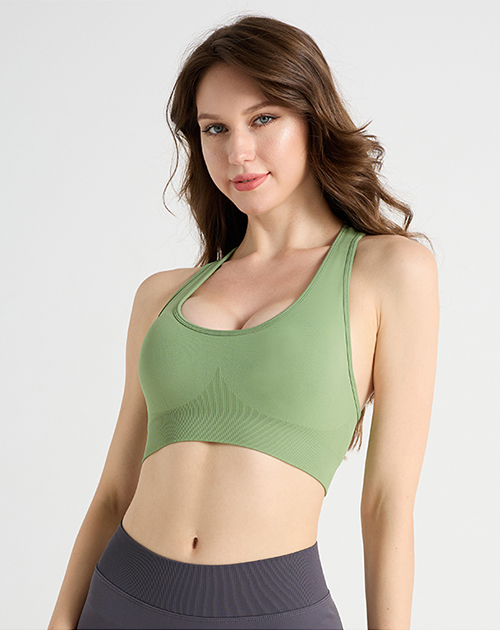
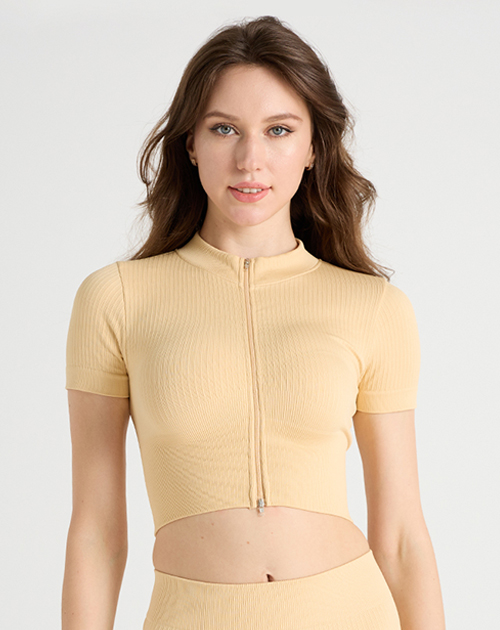
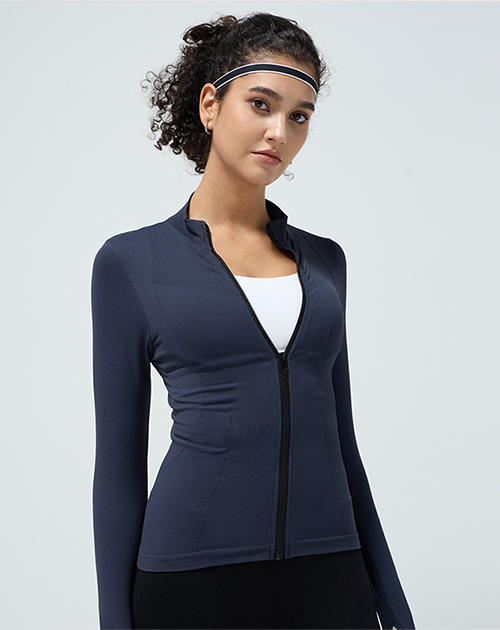
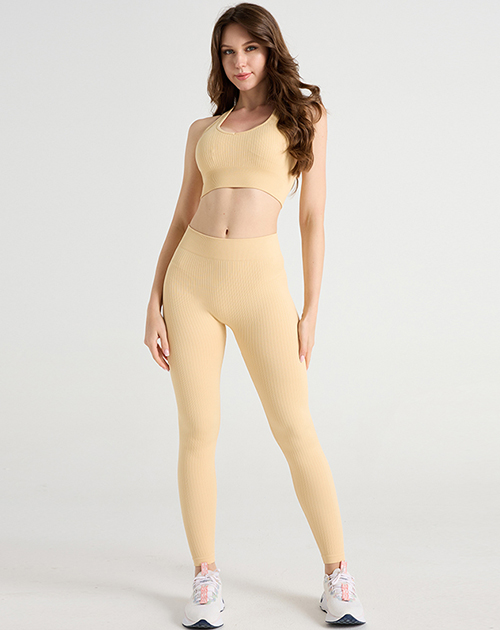
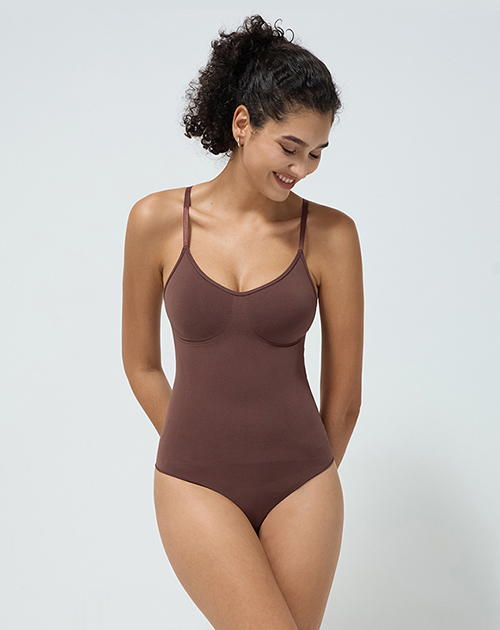
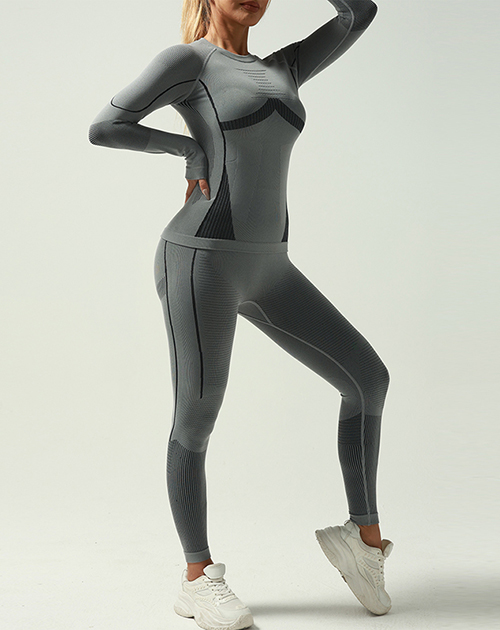
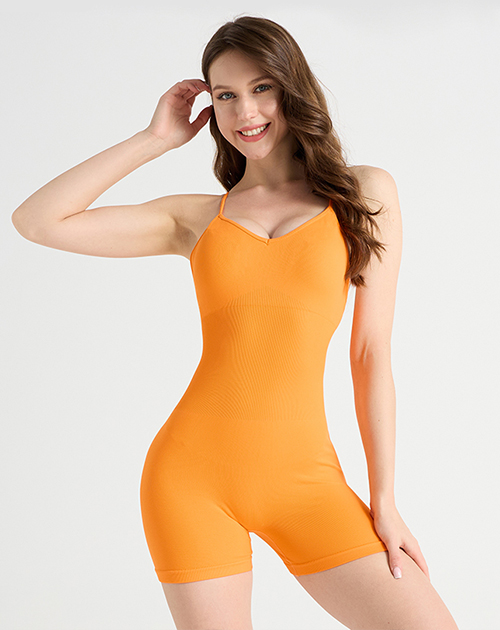
Knit fabrics are famous for softness and stretch. A basic jersey knit is soft and smooth. A rib knit is bouncy and cozy. Seamless knitting is a special technique. It makes a tube of fabric with no side seams. This gives a smooth, continuous feel around the body. There are no seams to interrupt the softness.
The tightness of the knit also matters. A looser knit has more air inside. It feels lighter and puffier. But it might be see-through or lose its shape. A tighter knit is more secure and opaque, but can feel firmer. For a buttery soft feel, designers often choose a specific tightness. It is loose enough to be soft and flexible, but tight enough to hold its form.
Advanced knitting machines can do more. They can change the stitch in different areas. They can put a mesh under the arm for breathability. They can make a tighter panel at the waist for support. All this is done in one piece. This structural design controls where the fabric is soft and where it is supportive.
After the fabric is made, it gets treated. These finishing steps are the final touch. They define the exact feel.
Mechanical finishes use physical force. Brushing or sanding raises a light layer of fuzz on the fabric. This gives an instant, warm softness. Air-softening tumbles fabric in hot air. This fluffs up the fibers without touching them. It makes the whole fabric feel loftier and softer.
Chemical finishes add a thin layer to the fibers. Special softeners, like certain silicones, coat the fibers. They make the fibers very slippery against each other. This gives that smooth, slick "buttery" glide. The best softeners also allow moisture to pass through. So the fabric stays soft but doesn't feel clammy.
For natural fabrics like cotton or Tencel, enzymes can be used. Enzyme washing gently eats away the tiny fuzzy fibers on the surface. This leaves the fabric incredibly smooth and soft to the touch.
Creating true buttery soft workout clothes is a deep process. It connects the science of materials with the art of making. It requires knowledge at every step, from the chemistry lab to the knitting machine to the finishing room.
This complex understanding is what separates simple manufacturing from advanced creation. At YONGXING, our work is built on this science. We study how fibers, yarns, and structures work together. We test different finishes. We use our knowledge to solve a specific problem: how to make activewear that performs well and feels amazing from the very first touch.
Do you want to create workout clothes with a truly special and consistent feel? Talk to the team at YONGXING. Let us show you how we use textile science to turn a great feeling into a great product for your brand.
Copyright © Jinhua Yongxing Knitting Co., Ltd.
 Seamless Yoga Sets


 English
 русский
 Español