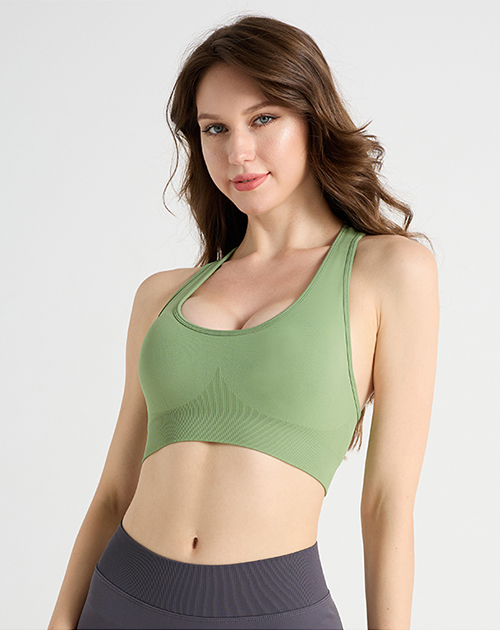
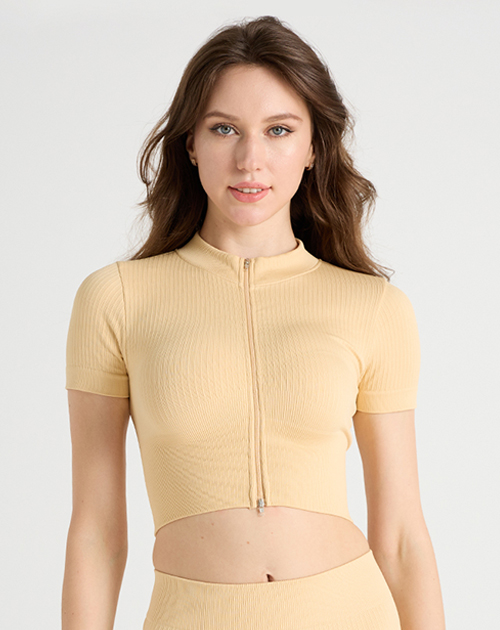
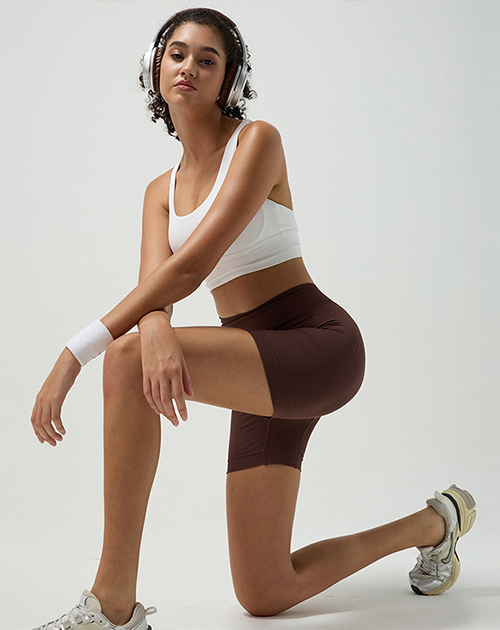
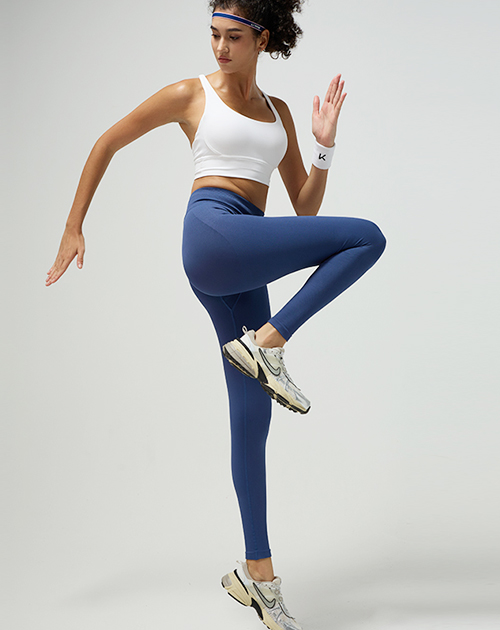
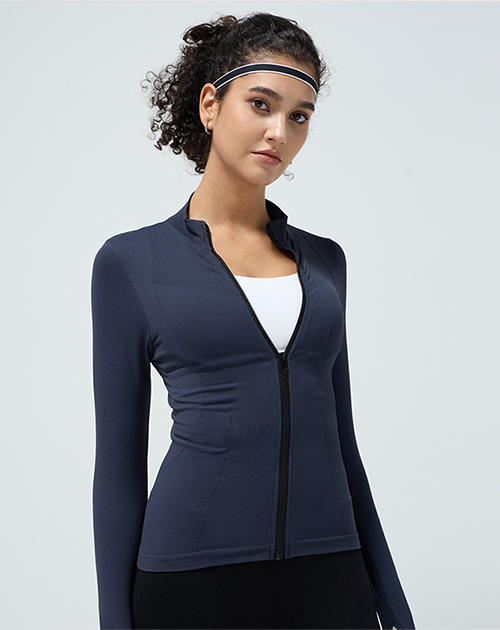
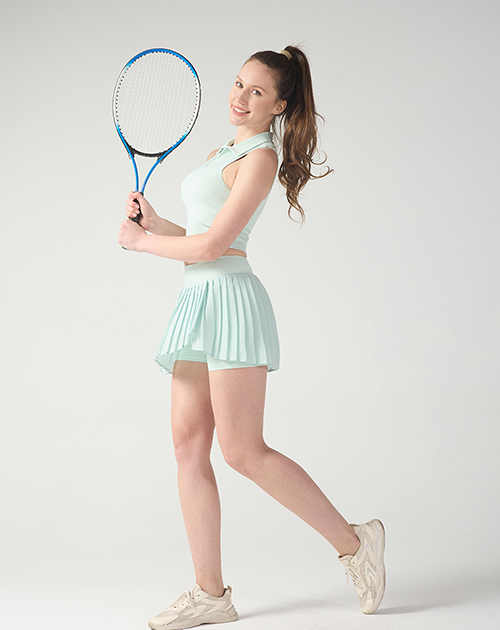
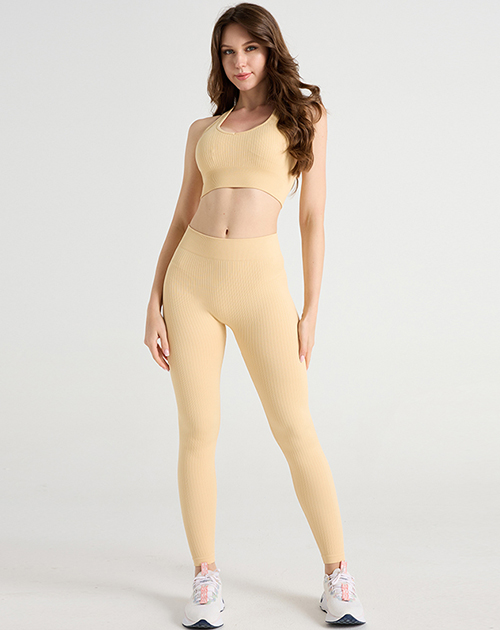
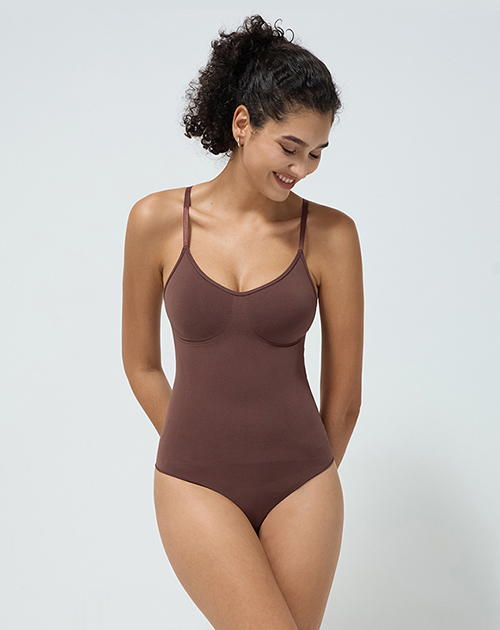
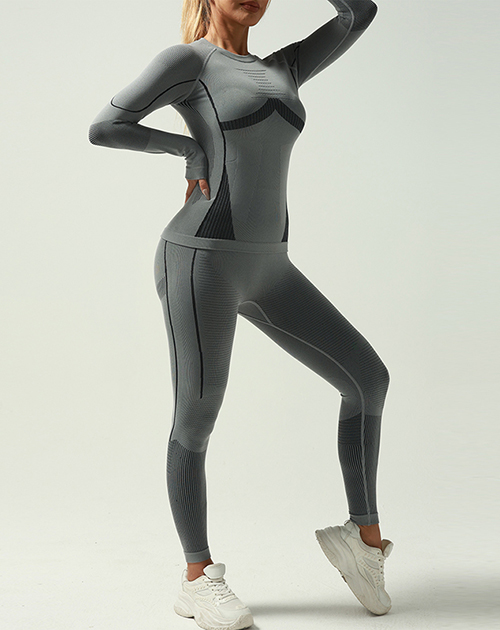
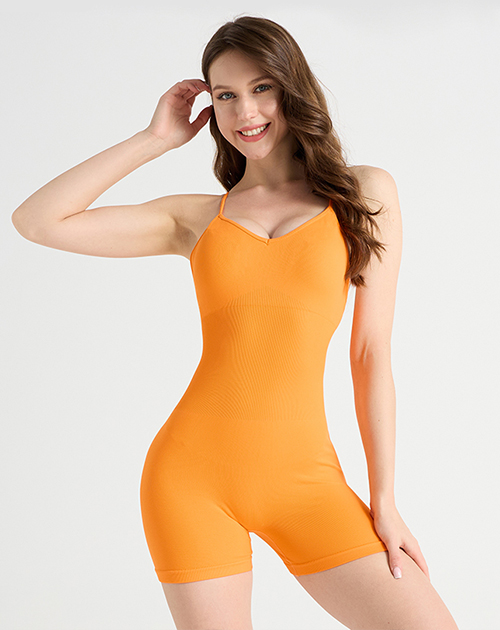
Think about workout clothes from years ago. They were often stiff. They felt technical, but not always comfortable. The focus was on performance features like sweat-wicking and stretch. Today, people want more. They want high performance and incredible comfort. They want that feeling described as "buttery soft." This is a luxurious, smooth, and gentle feel against the skin.
How can activewear be both high-performing and incredibly soft? The fibers and fabric construction matter. But a huge part of the answer happens after the fabric is knitted or woven. Special processes called finishing treatments make the final touch. They transform fabric from a technical material into a comfortable experience.
This article explains the main types of finishing treatments. These treatments make buttery soft workout clothes. We will look at mechanical, chemical, and enzyme-based processes. We will also see how these treatments are balanced with other important features.
These treatments use physical forces to change the fabric structure. They make the fabric softer from the inside out.
Pre-shrinking is often the first step. Fabric is treated with moisture, heat, and controlled tension. This releases the internal stress from spinning and knitting. The fabric becomes more stable. It also becomes more relaxed and softer to the touch because the yarns are not under tension.
Mechanical softening is a direct approach. One common method is brushing or sanding. Special rollers with fine wires or sandpaper gently raise tiny fibers on the fabric surface. This creates a layer of micro-fuzz. This layer feels very soft and warm. The process must be carefully controlled. Too much brushing can weaken the fabric.
Another method is air-softening. The fabric is fed through a chamber with high-speed hot air. The fibers tumble and separate without any physical contact. This makes the fabric bulkier and loftier. It is a good method for delicate or seamless fabrics where you want a soft handfeel without changing the look.
Tumbling or beating is also used. Machines gently beat or massage the fabric. This simulates a long, gentle wear. It helps the fibers and yarns move against each other. This makes the fabric softer and improves its drape.
Chemical finishes add a thin layer of substance to the fibers. This layer reduces friction between fibers, making them slide easily. This creates a smooth, soft feel.
Silicone-based softeners are very common. Amino-silicones form a flexible, smooth film on the fiber surface. This film makes the fibers slippery. The fabric feels silky and smooth. Different types of silicones give different feelings. Some give a slick, slippery feel. Others give a bouncy, soft feel. They can be applied by soaking the fabric or by spraying.
Polyethylene emulsion softeners are another type. They give a distinctive "buttery" or waxy softness. This is often the feel people describe in very soft activewear. A challenge is that these softeners can sometimes block the fabric's pores. This might reduce breathability. Manufacturers must balance the soft feel with the need for moisture-wicking.
Durable softeners are a special category. They chemically bond to the fiber. This makes them very resistant to washing. The soft feeling lasts for many, many washes. These processes are more complex and costly. They are used for high-end products where long-lasting softness is key.
This method uses biological enzymes. These are natural proteins that act as catalysts. They modify the fiber surface in a gentle, specific way.
For natural fibers like cotton, Tencel, or modal, cellulase enzymes are used. They selectively break down the tiny fuzzy fibers (called microfibrils) on the surface of the fabric. This makes the surface smoother. It also makes the main fiber body more flexible. The result is a fabric that is softer, smoother, and has a better drape. The process must be carefully controlled. Too much enzyme action can damage the fabric strength.
This process is often called biopolishing. It gives a soft feel and a gentle luster. It also helps prevent pilling. Because it works at lower temperatures and uses less water, it is considered an eco-friendly finishing option.
Making perfect buttery soft workout clothes is about combination and balance. One single treatment is usually not enough.
Combining Softness with Function
Activewear must still perform. A top must wick sweat. Leggings must breathe. Often, a softener is applied together with a moisture-wicking treatment or an odor-resistant treatment. The order of these treatments and the compatibility of the chemicals are very important. The goal is to add softness without removing the performance.
The Complete Process Chain
For example, a pair of buttery soft seamless leggings might go through this chain:
The Key Balances
Manufacturers always weigh trade-offs:
The feel of activewear is no longer an accident. It is a designed outcome. Achieving a specific feel like buttery soft requires deep knowledge. You need to know about fibers, chemistry, and mechanical processes. The factory must be able to carefully control all these steps.
This complex knowledge is what sets advanced manufacturers apart. At YONGXING, our finishing department operates with this precision. We see each treatment not just as a step, but as a way to design the wearer's experience. We work with mechanical, chemical, and enzyme techniques. We learn how they interact with different fabrics. Our goal is to translate a desired feeling—like "buttery soft," "cloud-like," or "silk-touch"—into a reliable, repeatable production formula.
Is your brand looking to create workout clothes with an exceptional, signature feel? Bring your fabric and your vision to the YONGXING team. Let's discuss how our finishing expertise can turn that feeling of luxury into a tangible product for your customers.
Copyright © Jinhua Yongxing Knitting Co., Ltd.
 Seamless Yoga Sets


 English
 русский
 Español