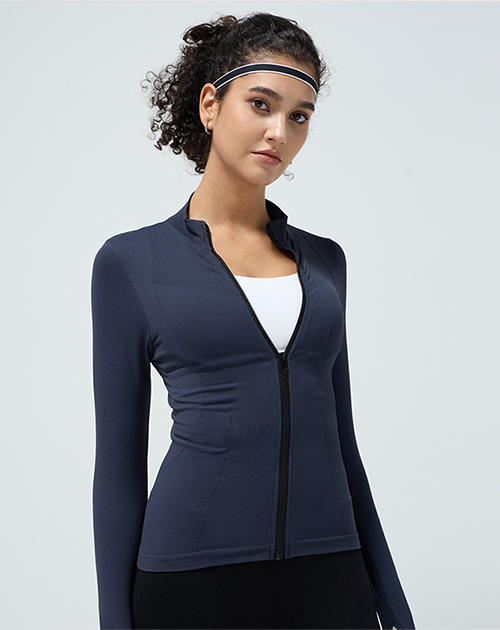
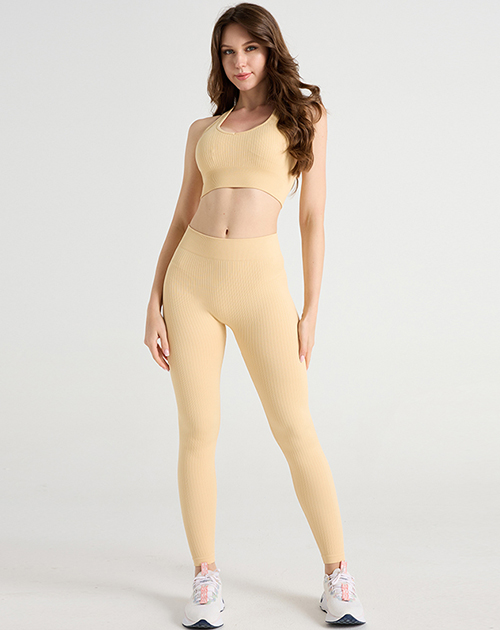
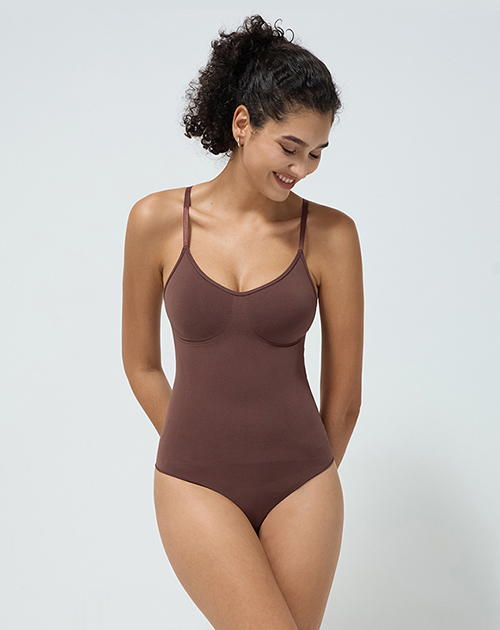
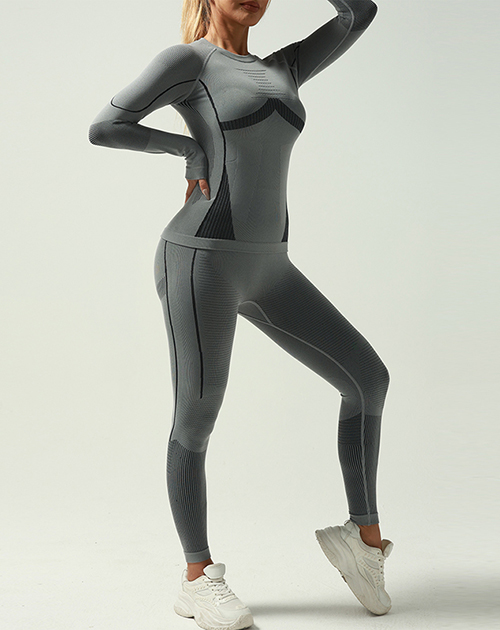
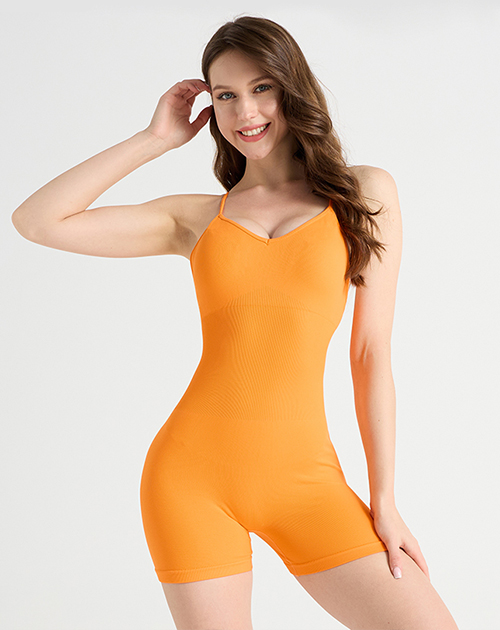
Picture a yoga studio. The room is warm for a hot yoga class. Or maybe the Vinyasa flow is very intense. Your body heats up fast. You start to sweat. If your clothes do not handle this well, the sweat stays on your skin. The fabric feels wet and sticky. This is uncomfortable. It can even distract you from your practice. This is a common problem for active people.
Seamless yoga sets are popular for their fit and freedom of movement. But a question remains. These sets have no sewn seams. So how do they manage body heat and sweat effectively? How do they keep you cool or warm as needed?
The answer is not simple luck. Good thermoregulation in seamless wear comes from a smart combination of three things. These are material science, structural engineering, and an understanding of how the human body works. For brands that make activewear, knowing this is key. It is key for developing better products and explaining their benefits clearly.
This article will explain the basics of how the body heats and cools. Then it will show how seamless construction helps this process in four main ways. Finally, we will look at how this knowledge is used to make better products.

Part One: How Your Body Manages Heat During Exercise
To make clothing that manages heat well, we must first understand what the body needs.
When you exercise, your muscles work hard. This work creates metabolic heat. Your body must get rid of this extra heat to keep your core temperature stable. It does this mainly in two ways. First, it sends more blood to the skin surface. Second, it makes you sweat.
Heat moves away from your body through three paths:
Between your skin and the inside layer of your clothes is a tiny space. We can call it a "microclimate." Good activewear helps keep the temperature and humidity in this space comfortable.
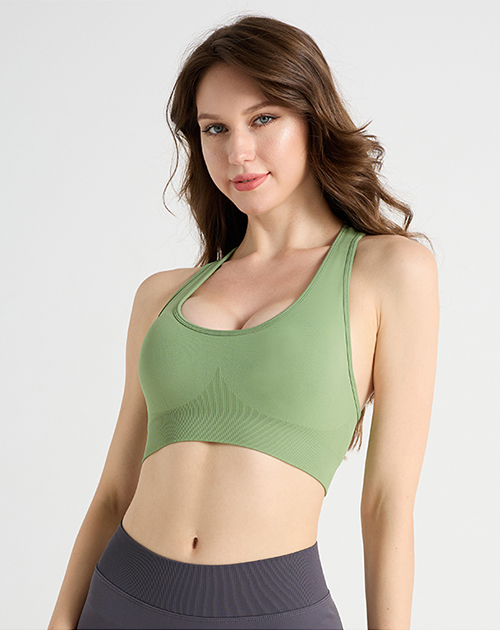
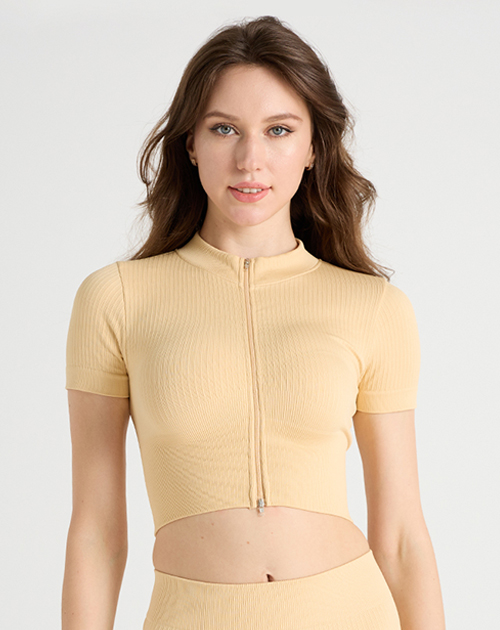
Seamless technology improves thermal comfort by removing weak points and optimizing the whole garment. It works through four main mechanisms.
How do we know if a fabric or design works? We use tests to get objective data.
Laboratory Tests:
Wear Trials:
The best test is on a real person. Testers wear the garment in a climate-controlled room. They exercise on a treadmill or bike. Sensors monitor their skin temperature in many places. We also measure their core temperature, how much they sweat, and ask for their personal feeling of comfort. Tools like thermal imaging cameras can show a heat map of the garment's surface after exercise. This visually shows where heat builds up or dissipates.
This understanding helps create the right product for different needs.
Designing for Different Yoga Practices:
Telling the Technical Story:
For brands, it is important to explain these features clearly. Instead of vague terms like "cooling feel," they can explain the specific construction benefits. For example, "strategic mesh panels for targeted ventilation" or "engineered gradient knit for rapid sweat dispersion."
Thermal comfort is now a central goal for high-performance activewear. Seamless manufacturing gives designers precise control to achieve this goal. It allows for a deep integration of body science, advanced materials, and precise engineering.
Creating such intelligent clothing requires more than just knitting skill. It requires a cross-disciplinary approach. At YONGXING, our development team works exactly this way. We start with fiber selection. We then program the knitting structure for performance. We validate the fit and feel on the body. For us, every seamless yoga set is more than just a garment. It is a project in personal climate management.
Is your brand looking to build a stronger technical advantage in comfort and performance? Talk to the YONGXING development team. Let us discuss how to use seamless technology to define what true thermal comfort means for your customers.
Copyright © Jinhua Yongxing Knitting Co., Ltd.
 Seamless Yoga Sets


 English
 русский
 Español