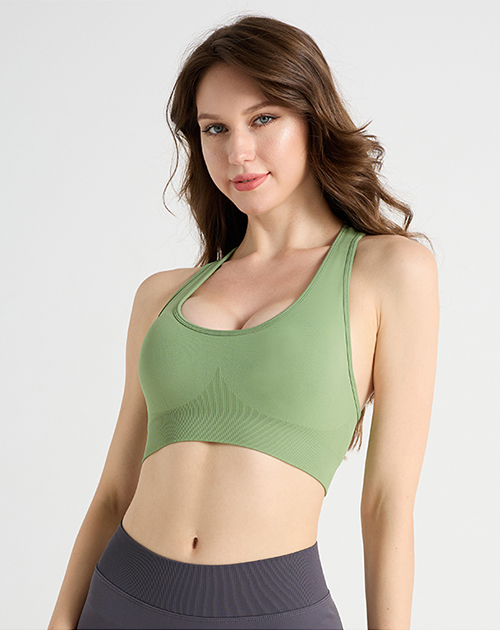
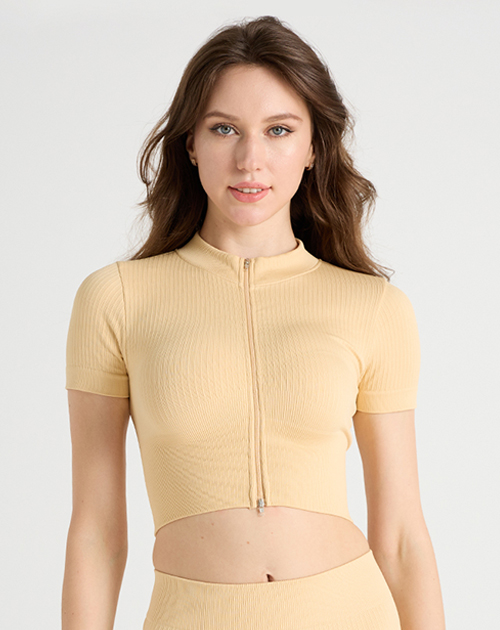
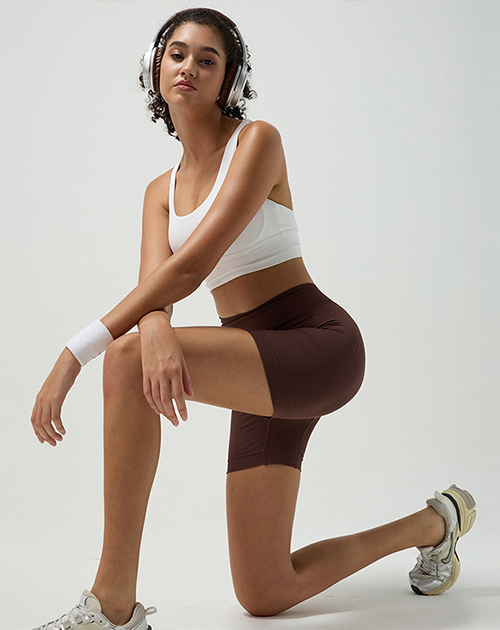
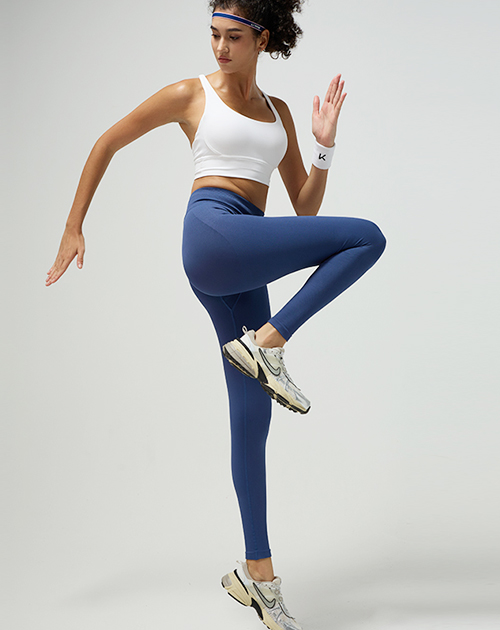
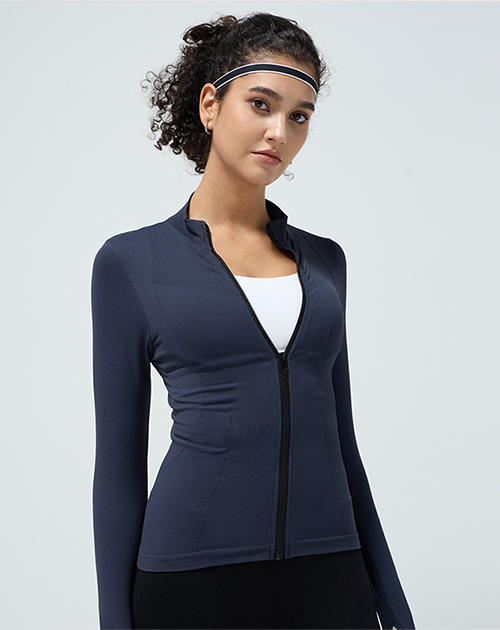
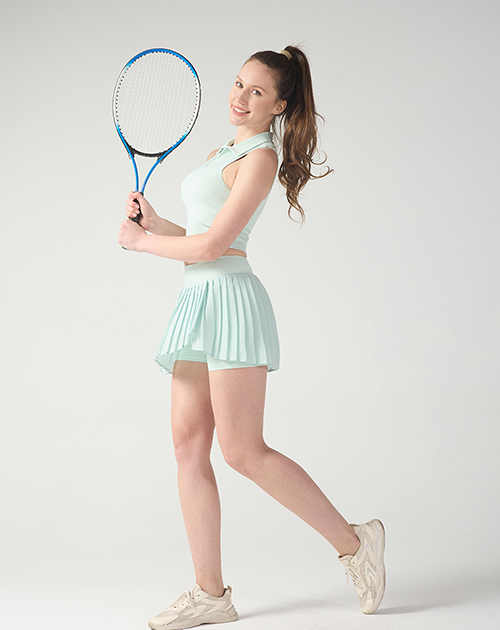
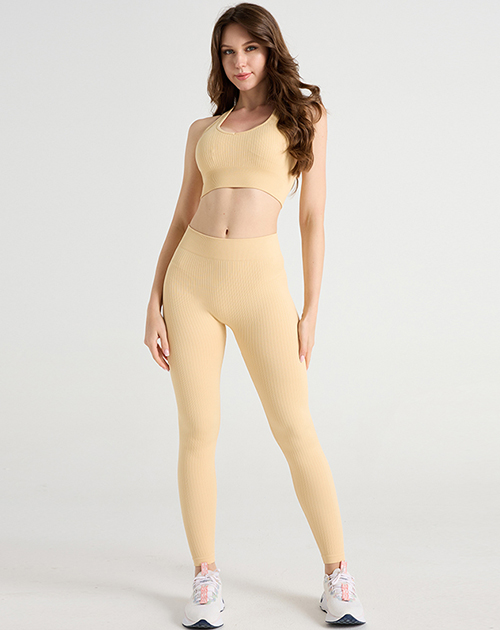
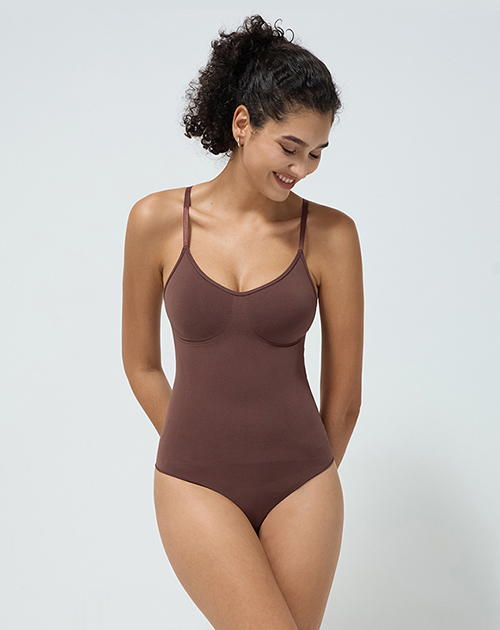
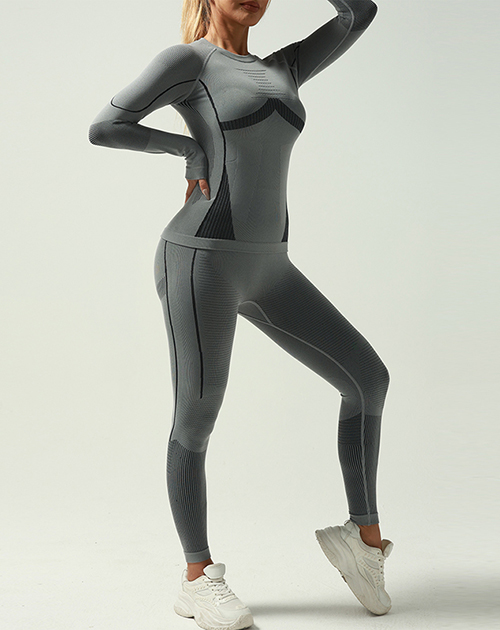
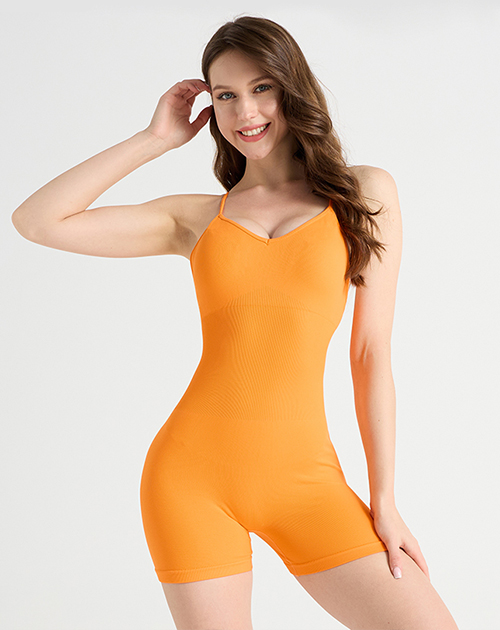
Pull on a pair of leggings before a workout, catch your reflection, and think — not bad. That small confidence hit, before you have even warmed up, is exactly what good shaping activewear is designed to deliver. For someone a few months postpartum and cautiously easing back into movement, for a runner chasing fewer distractions mid-race, or for anyone who just wants to feel put-together at the gym — Tummy Control Activewear has earned a genuine place in the performance clothing conversation. Not shapewear in the old-fashioned, hold-your-breath sense. Something more considered than that. Done right, it moves with you, quietly supports your core, and happens to make you look streamlined while it does it. What follows covers everything worth knowing: the engineering behind the effect, how to buy smartly, how to make it last, and when to walk away from a piece that simply is not right for your body.
Athletic wear that pulls double duty — that is probably the clearest way to put it. The stretch and breathability of performance sportswear sit on one side of the equation; targeted midsection compression sits on the other. And crucially, that compression is not added on top of the garment. It is woven directly into the construction.
Why does that matter? Because traditional shapewear was built for stillness. Office events, slow walks, formal dinners where the most athletic movement is reaching for dessert. This is different. Squats, sprints, sun salutations — situations where clothing has to move with a body in motion rather than simply restrain it. That distinction shapes everything about how these pieces are designed, and what to look for when buying.
What it typically looks like:
People arrive at this category from all kinds of directions. Smoother silhouette. Genuine core support. A waistband that actually stays put during a HIIT class. The reassuring hold that postpartum individuals often find comforting as their bodies rebuild. Whatever brings someone here, the underlying pull is consistent: a garment that contributes something beyond basic coverage.
Worth saying plainly, though — it does not change your body. It shapes how you look and feel while worn, and that is genuinely useful. Just go in with that understanding.
Not magic. Engineering.
Compression technology is the foundation. High-performance fabrics — typically a blend of spandex, nylon, and polyester — apply steady, gentle pressure to the abdominal area. That consistent hold smooths soft tissue, reduces the visibility of bulges, and produces a firmer feel against the skin. No rigid boning. No uncomfortable internal architecture. Just well-chosen materials doing their job quietly.
The fabrics doing the heavy lifting:
Then there is the structural side. How the garment is shaped and cut does at least as much work as the materials themselves.
The design choices that make it functional:
So is it comfortable? Almost entirely a question of fit and manufacturing quality. A well-made piece should feel like supportive second skin — you know it is there, but it is not demanding your attention. Rather than feeling squeezed, you feel held. That structure also does something beyond smoothing: it supports the back and core, nudging posture in a better direction and contributing to physical comfort during sustained activity. If pinching, numbness, or shallow breathing is the experience instead? The size is wrong. Take it off.
Three tiers. That is the entire landscape. The right choice almost always comes down to what you are doing and how much pressure your body finds comfortable — not how much smoothing you want, which is the assumption that leads most people to the wrong garment.
| Compression Level | What It Feels Like | Works Well For |
|---|---|---|
| Light | Close but undemanding; easy to forget you are wearing it | Yoga, Pilates, low-impact stretching, all-day wear |
| Medium | A clear sense of support; the midsection feels held and engaged | Cycling, barre, hiking, general gym sessions, early postpartum activity |
| Firm | Actively shapes; noticeable stabilization throughout movement | Running, HIIT, high-impact training, those who prefer strong smoothing |
Firmer is not always better — a widely held assumption that leads to genuinely uncomfortable purchases. Compression that is too aggressive restricts circulation and limits breathing depth, both of which hurt performance rather than helping it. Coming back to exercise postpartum? Start at the lighter end and build from there as core strength returns. Completely new to shaping activewear? Medium is a sensible starting point for most types of training.
Straight answer: it improves appearance while worn. That is the full scope of it.
What it genuinely delivers:
What it does not do:
Expectations calibrated to reality: the purchase tends to feel considerably more worthwhile. Think of it as a performance and confidence tool. Not a transformation device.
Somewhat — and the mechanism is more intuitive than technical. A firm waistband and inner panel act as a physical prompt. Consistent, gentle pressure against the midsection tends to make people sit taller and carry themselves with more body awareness. Many wearers describe a sense of being gently braced through the torso, which encourages a more neutral spine during exercise and, often, throughout the sedentary hours that bracket the workout.
Worth noting: this is supplementary support, not a substitute for building real core strength. Relying on an external hold without developing the underlying musculature creates dependence rather than progress. Use it as an aid. Not a replacement.
Quite a wide range of people, as it turns out. But some groups find it particularly worth the investment:
Who should approach with caution:
With an enormous range of options on the market, having a clear framework prevents a lot of regrettable purchases.
Fabric:
Panel construction:
Cut and rise:
Waistband construction:
Seamless vs. seamed:
Seamless construction reduces friction against skin and eliminates visible lines under close-fitting clothing. Seamed construction can provide more targeted structural reinforcement, particularly in firm-compression styles. Neither approach is inherently superior — it depends on the activity and the wearer's preferences.
Red flags worth noting:
Sizing is where most purchases go wrong. Too small and the garment becomes uncomfortable and potentially counterproductive; too large and it loses the majority of its function. Neither outcome is acceptable for something designed to be trained in.
How to measure:
Between two sizes? Go up. A piece that feels tight at the fitting stage will feel worse after twenty minutes of actual movement. Deep waistband impressions on the skin after thirty minutes is the garment communicating something clearly.
Four fit tests that matter:
Squat: Go deep. Does the waistband hold its position? Does the fabric maintain opacity?
Pass all four and the fit is right.
In the gym, most pieces work well as a standalone layer. Yoga, Pilates, general strength sessions — no additional layering required. Running outdoors in cooler conditions might call for something over the top; loose shorts or a light skirt over compression leggings work without disturbing the shaping underneath. For particularly intense sessions, pairing with a supportive sports bra distributes the held sensation more evenly across the torso rather than focusing it all at the midsection.
Beyond the gym, high-rise leggings translate well into everyday wear. An oversized knit or a long structured blazer over compression leggings reads as considered athleisure rather than workout gear. A cropped jacket over a shaping bodysuit creates a clean, balanced silhouette without much effort. Neutral and dark tones carry the smoothing effect better than busy prints — though that drifts into personal preference territory fairly quickly.
On the question of when to take it off: numbness or tingling is a signal to act on immediately. Significant indentations in the skin remaining after removal suggest the piece is too small. Wearing firm compression for extended stretches continuously — more than a few hours — is worth avoiding regardless of how comfortable it feels in the moment.
Compression fabrics are not fragile. But they do have specific needs, and elastane — the fiber responsible for the shaping effect — is the first to break down when those needs are ignored. The deterioration tends to be invisible until the hold suddenly feels gone.
Washing on a gentle cycle with cold water is the baseline. Fabric softener is worth avoiding entirely; it coats fibers in a way that gradually reduces compression performance over weeks and months, meaning the garment loses function well before it looks worn out. Dark pieces benefit from being turned inside-out to preserve the surface finish. Hand washing is kinder for items with structured inner panels, though not always necessary.
Most care damage actually happens during drying rather than washing. Laying flat to air dry is the right approach — hanging allows fabric to stretch under its own weight, especially at the waistband. High-heat machine drying breaks down elastane permanently, and the effects are irreversible. Extended direct sunlight degrades elastic fibers in a similar way, easy to forget when drying outdoors in warm weather.
Store folded, not hung. A waistband stretched over a hanger for weeks loses its recovery quietly and without warning.
Signs a replacement is due: the waistband rolls or fails to hold shape after washing; the panel area sags or puckers visibly; the hold that felt reassuring on first wear now feels incidental and loose. None of these are defects. They are signs of a garment that has done its job and reached the end of a useful lifespan.
Whether trying pieces in a fitting room or evaluating a product page before clicking buy, a quick checklist cuts through most of the noise:
On realistic timelines: visual smoothing happens from the first wear. Posture awareness tends to improve noticeably after a handful of sessions. Core strength is a separate undertaking that this garment does not contribute to — that requires dedicated training, applied consistently over time.
The tighter it is, the more it works. Not true — and actively counterproductive. Excessive compression restricts blood flow and limits how deeply you can breathe, both of which undermine athletic performance. Good compression feels secure. There is a meaningful difference between snug and constricting.
It helps reduce fat around the middle. It does not. Compression reshapes appearance temporarily. Fat reduction is a different conversation entirely — one involving sustained exercise and consistent eating habits over time, not garment selection.
One size suits most bodies. Compression garments vary considerably between brands, constructions, and fabric blends. Measure specifically for each product. Usual clothing size is not a reliable guide.
Discomfort means it is working. A well-fitted piece should fade into the background during wear. Persistent discomfort is a fit problem, not evidence of effectiveness.
A product page that takes shaping activewear seriously will include: the compression level stated clearly, a full fabric composition by percentage, a description of the panel construction, the activities the piece is designed for, and a complete size guide covering waist, hip, and torso measurements. Care instructions and a returns policy belong there too. If any of these are absent, the question is whether to ask or simply shop elsewhere.
For those writing product copy, three lines that carry their weight:
Shaping activewear delivers on its promises when the right piece is chosen for the right body doing the right activity. The engineering behind it is real — compression fabric, power mesh panels, strategic seaming, and a well-built waistband combine to produce something that smooths the silhouette, supports the core, and holds its shape through a demanding session. None of that requires a leap of faith. It just requires knowing what to look for and being willing to spend the extra few minutes before committing. Measure carefully, pick a compression level that matches how you actually train, examine the panel construction, and run the fit tests. The difference between a piece that earns its place in a gym bag and one that sits unused in a drawer almost always comes down to that due diligence at the point of purchase. For brands looking to source shaping activewear that meets both performance and aesthetic standards, Jinhua Yongxing Knitting Co., Ltd. brings deep experience in performance fabric construction and compression garment manufacturing — a reliable partner for those who want consistent quality at scale. Get the size right, care for it properly, and replace it when the hold starts to fade. That is genuinely all there is to it.
Copyright © Jinhua Yongxing Knitting Co., Ltd.
 Seamless Yoga Sets


 English
 русский
 Español