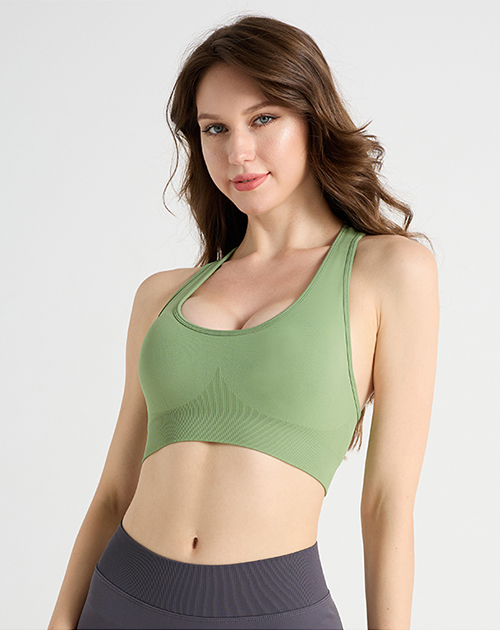
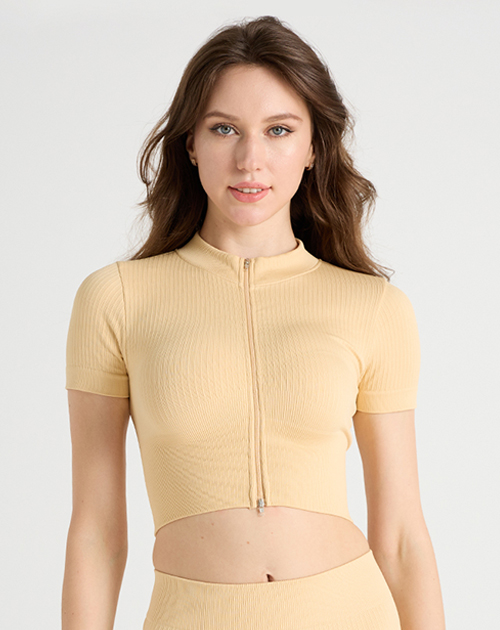
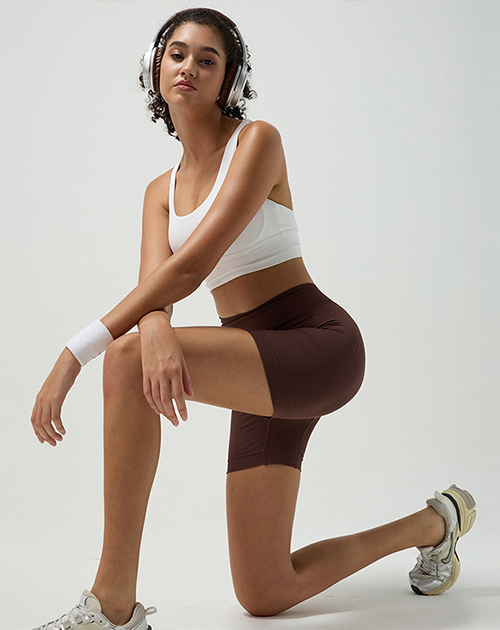
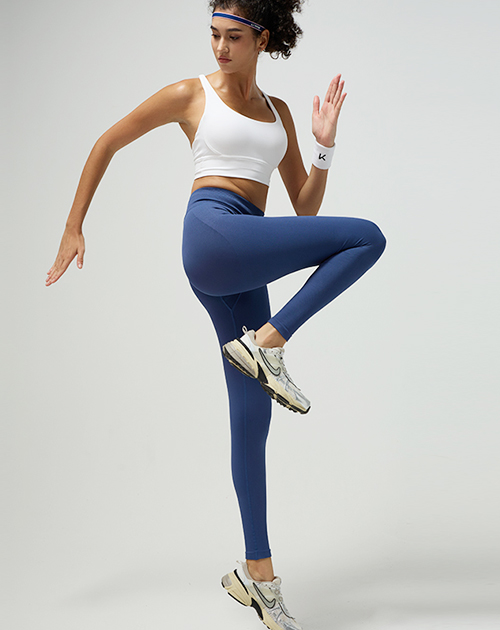
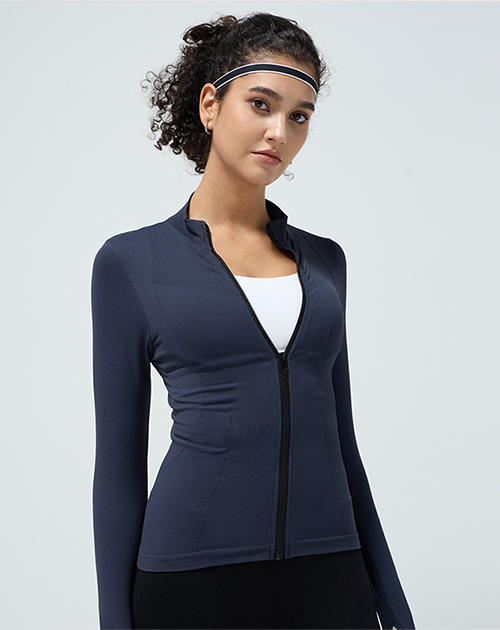
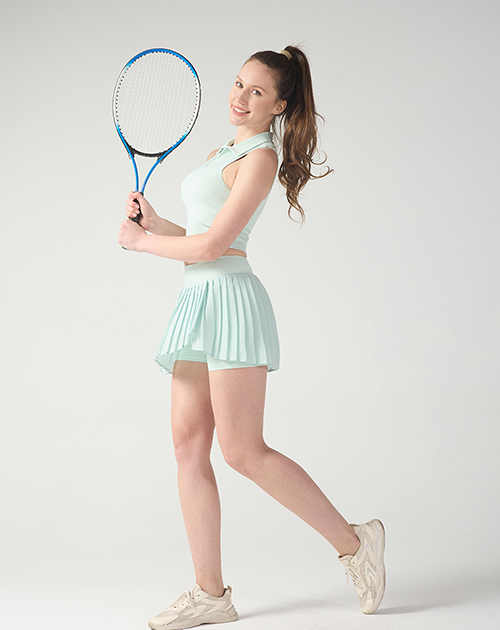
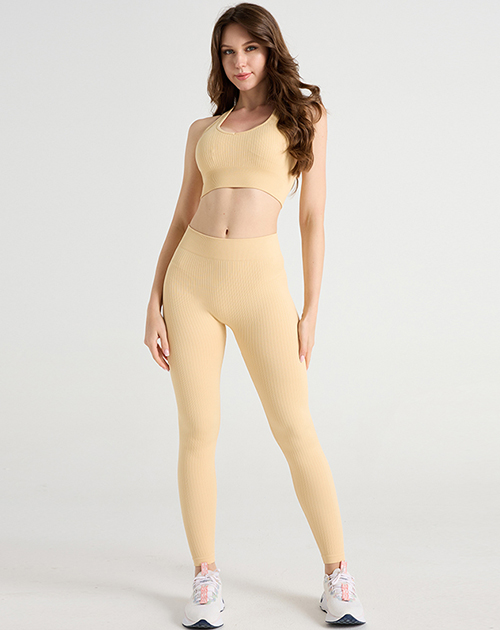
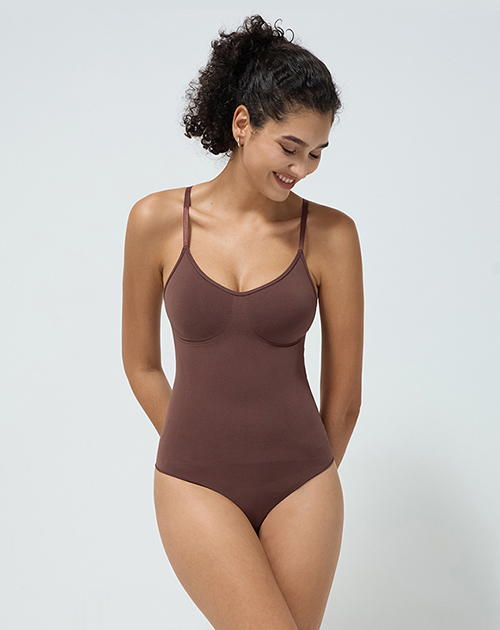
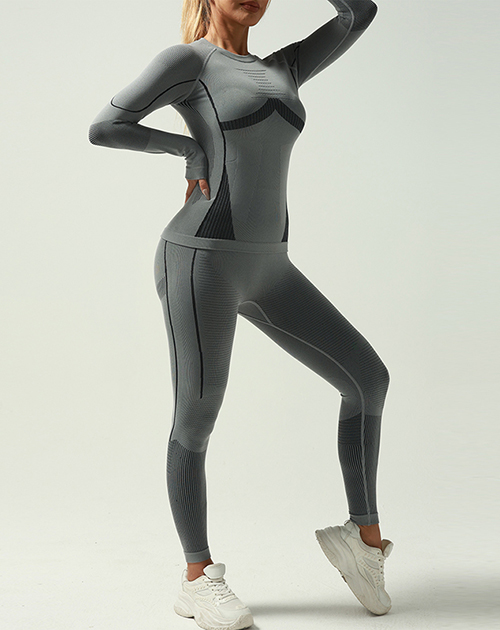
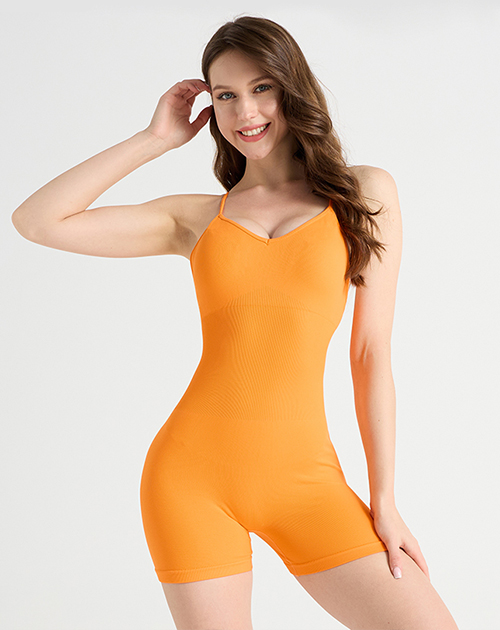
You have probably been there — standing in a fitting room, wearing something that technically fits but feels like a slow argument with your own body. The waistband digs, the fabric resists every attempt at a deep breath, and you are already calculating how soon you could reasonably take it off. Here is the thing: it does not have to be that way. Tummy Control Activewear has genuinely changed, and not in a marketing-copy kind of way. The engineering behind these garments — the fabrics, the panel placement, the knit construction — has shifted toward a model where shaping and daily comfort are not competing goals. Knowing which details actually matter is what separates a garment you wear twice and forget about from one that earns a permanent spot in your rotation. So let's get into it.
Here is where a lot of confusion starts. People use "shapewear" and "Tummy Control Activewear" interchangeably, but they describe genuinely different things — and the difference has real consequences for how a garment feels.
Traditional shapewear was built with one goal: cosmetic compression. Smooth silhouette under a dress, full stop. Movement? Breathability? Not part of the brief. Wearing it for a full workday is an endurance sport.
Regular activewear swings the other direction. Comfortable, flexible, great for movement — but it does not do much for the midsection beyond holding everything loosely in place.
The category covered here sits in the middle of both, but closer to neither. These garments use:
The "activewear" part is not decorative. These pieces are engineered to flex during movement, manage moisture, and stay comfortable across multiple hours of wear. A well-made one should not leave red marks. You should forget you have it on. That is actually the goal.
Common uses range from workouts and yoga to full days at the office, postpartum recovery, and evenings where a smooth silhouette under something fitted matters.
Short answer: discomfort is not the garment working. It is almost always a signal that something is wrong with the fit.
There are physical reasons why this matters beyond the obvious. Garments that are too tight around the abdomen can restrict circulation — and the result is not just irritation but sometimes numbness, tingling, or actual bloating, which is precisely the opposite of the intended effect. Fabrics that trap heat create skin irritation that compounds over hours. Waistbands or seam edges pressing into soft tissue cause a discomfort that starts subtle and turns distracting by mid-afternoon. And practically speaking, a piece you need to remove by noon has failed at its job regardless of how smooth it looked when you left the house.
The idea that pain signals effectiveness is a holdover from older-generation shapewear thinking. Newer construction methods make it genuinely possible to wear something supportive all day without suffering for it. That is worth keeping in mind.
Shapewear is built for cosmetic compression and is typically worn statically under a specific outfit. These garments are built to move with the body, allow airflow, and hold up during physical activity or extended daily wear — not just for an evening.
Firm and supportive, like a consistent hug. Not painful, not restrictive. You should be able to take a full, deep breath without resistance from the fabric. Pinching, binding, or any sensation of breathlessness means the fit is off.
Nylon-elastane blends — typically in the range of 78 to 82% nylon with 18 to 22% elastane — offer a solid balance of stretch, recovery, and airflow. Moisture-wicking finishes and open-knit zones improve breathability further. Thick double-layered fabrics tend to trap heat; these are worth avoiding for warm weather or active use.
Measure your natural waist, hips, and rise before looking at any size chart. Do not size down in hopes of extra compression — that usually just creates uneven pressure and discomfort without improving the shaping effect at all.
Yes, as long as the specific garment is made for it. Look for pieces designed for active use: moisture management, flat seams, and a gusset (the reinforced crotch panel that prevents pulling during movement). Heavy firm-compression styles are not ideal for high-intensity cardio because they can make deep breathing harder.
Light-to-medium compression is generally comfortable for eight to ten hours. Firm compression works better for shorter stretches — roughly two to four hours. If you notice numbness, tingling, or skin marking of any kind, take it off sooner.
High-waist leggings tend to be the go-to for daily wear. They distribute compression across a wider surface, stay put without rolling, and work with a lot of outfit combinations. Under dresses and skirts, high-waist briefs or shorts are the easy choice — flexible and practical.
Sit, stand back up, bend forward, squat, raise both arms overhead, walk briskly for two minutes. Any pinching, rolling, slipping, or marks on the skin from those few minutes of movement indicate a problem. Do not assume it will improve once you "break it in."
Not all compression is doing the same thing, and picking the wrong level is the most common reason people find these garments uncomfortable.
| Compression Level | How It Feels | Suited For | Wear Duration |
|---|---|---|---|
| Light | Gentle, barely-there smoothing | Daily wear, warm weather, low-intensity activity | All day — 8 to 10+ hours |
| Medium | Noticeable support, firm but flexible | Workouts, office wear, postpartum recovery | Around 6 to 8 hours |
| Firm | Strong hold, clearly present compression | Short occasions, special events | Under 4 hours |
The instinct to reach for firm compression because it "works harder" is worth resisting. For most people, most of the time, medium compression worn comfortably for a full day does more than firm compression worn for two hours before being abandoned.
Fabric composition shapes how a garment compresses, breathes, stretches, and recovers — and reading a label carefully is worth the thirty seconds it takes.
Nylon-elastane blends are the standard for good reason. Nylon handles strength and moisture; elastane handles stretch and the snap-back that keeps the garment in shape after wear. A blend in the 75 to 85% nylon range with 15 to 25% elastane tends to land in the comfortable zone between supportive and stiff.
Power mesh does its work as an inner layer — a tightly woven secondary fabric placed across the front of the abdomen. It adds shaping without making the whole garment feel like cardboard. The key is whether it is placed strategically (front panel only, with more flexible construction elsewhere) or used uniformly, which tends to reduce overall breathability.
Seamless knit construction is a different approach entirely. Instead of cutting and sewing separate panels, the garment is knitted as a single piece with varying tension in different zones — tighter in the midsection, more relaxed at the thigh or hip. No sewn seams means no seam edges pressing into skin, and the result typically feels more natural to wear.
Modal blends show up in lighter-compression everyday styles. Modal is soft, plant-based, and breathable, and when blended with elastane it creates something that feels gentle against skin. Not built for heavy shaping, but very wearable for casual daily use.
Two garments with identical fabric composition can feel completely different if the construction differs. A few things worth looking for:
Three measurements, taken honestly (no sucking in):
The rise measurement gets skipped constantly, and it is the one most likely to explain why a garment that fits the waist and hips still feels wrong. A short rise means the waistband ends up sitting lower than intended, which reduces the smoothing effect and increases rolling.
Sizing down for more compression is the most common mistake in this category. It sounds logical — tighter means more support — but in practice it just redistributes pressure unevenly. Seams dig in, waistbands bite, and the shaping panels end up positioned incorrectly for your body. A correctly sized garment with good construction outperforms a too-small one every time.
Checking only waist size and ignoring hip fit is the second most common issue. A garment that fits the waist but is too snug across the hips creates visible pulling at the side seams and discomfort through the lower body.
Before committing to a purchase, run through this:
There is a clear difference between compression that feels supportive and compression that hurts. Supportive is firm, consistent, and present but not intrusive — you notice it without being distracted by it. Painful is pinching at seams, any difficulty breathing normally, numbness anywhere, or skin marks that appear within minutes. The latter means size up or try a different style.
Not every style works equally well across every situation, and it is worth thinking about use case before selecting a shape.
High-waist leggings are the most versatile across activities. A wide compression front panel and a solid waistband make them useful for gym sessions, desk days, casual errands, and everything in between. They layer well under longer tops and avoid the visible layering issue that separate shapewear can create.
High-waist briefs and shorts are the natural choice for wear under skirts and dresses. Shorts at mid-thigh length are worth choosing over briefs when the outer fabric is lightweight, since they prevent fabric from clinging to the inner thigh as you move.
Bodysuits with built-in panels give continuous, gap-free coverage from chest to hip — no risk of a top riding up and exposing the waistband. The tradeoff is practical inconvenience for extended wear, so these work better for evenings and occasions than for all-day daily use.
Shaping tops and mid-rise bands pair well with high-waist bottoms to create layered coverage without committing to a full bodysuit. Useful when you want to smooth the midsection without a full-body piece.
Control slips and shaping dresses take a simpler approach for occasion dressing — the shaping is built into something you are already wearing, which eliminates the need for a separate layer entirely.
| Situation | Style | Construction Priority |
|---|---|---|
| Gym or yoga class | High-waist leggings | Gusset, flat seams, moisture management |
| Full workday at a desk | High-waist leggings or shaping shorts | Light-medium compression, breathable knit |
| Evening out or special occasion | Bodysuit or control slip | Smooth outer surface, firm front panel |
| Postpartum daily support | High-waist briefs or shaping top | Soft waistband, flexible compression |
Five minutes is the minimum. Go through the movement checklist — sit, squat, bend, raise arms, walk. Pay specific attention to whether the waistband rolls during any of those transitions, whether any seam creates friction, and whether breathing stays easy throughout. A garment that causes any of those issues in a five-minute fitting room session will cause them all day.
Treat the first two to three hours of wear as the real test. Keep tags on. Do your typical daily activities and then check: any areas of redness when you remove it? Any parts of the garment that have shifted significantly from where they started — waistband rolled, panel migrated, fabric bunching at the hip? If yes, size up before re-ordering rather than assuming a different session will go better.
One practical note before buying online: check whether the return policy covers sizing exchanges and whether it is free. Some retailers charge restocking fees or require returns within a very short window. Knowing this before purchase saves frustration later.
Read reviews for comfort language, not just the star rating. Phrases like "wore all day," "stayed in place," "no rolling," "breathable," and "did not dig in" tell you what you need to know. Phrases like "had to size up," "waistband rolls," "left marks," or "uncomfortable after a few hours" are worth taking seriously when they appear across multiple reviews — that pattern usually reflects a design or sizing issue rather than individual variation.
Vague search terms return vague results. More useful search combinations:
These narrow results toward garments built for comfort alongside shaping, rather than returning everything that mentions the midsection.
The shaping only works if the garment does not announce itself through your outfit. A few practical notes:
Seam edges show through fitted knit fabrics — jersey, ponte, and similar materials pick up every ridge. Seamless or bonded-seam garments are the practical call under these fabrics. Under looser or woven materials, it matters considerably less.
Match the garment color to the outer layer, especially under light or sheer fabrics. Nude tones under white; black under dark colors. This sounds obvious but is frequently overlooked.
When tucking in a top, look for garments with a clean finished upper edge rather than a folded-over waistband. Folded waistbands create a subtle ridge at the waist that shows through tucked shirts more than you might expect.
Pairing a fitted shaping piece with a looser outer layer — an oversized blazer, a relaxed linen shirt — gives you the benefit of the smooth silhouette underneath without the overall look feeling tight. Wide belts at the natural waist can anchor an outer layer while also covering any slight waistband edge showing through a blouse.
How you wash these garments directly affects how long they keep their shaping function. Cold water, every time. Heat breaks down elastane fibers and causes them to lose their snap-back ability — even warm water speeds up the process.
Hand washing is ideal. A delicate machine cycle in a mesh bag is a workable alternative. Skip the dryer entirely. Air dry flat or on a hanger. Heat — even at moderate settings — is what ends the useful life of compression fabric faster than anything else.
Fabric softener coats the fibers, which reduces moisture-wicking performance and, over time, weakens elastane. Leave it out of the wash for these pieces. And if you wear them daily, rotate between at least two garments — elastane needs time to recover between wears, and daily use of the same piece shortens its lifespan considerably.
When does a garment need replacing? The waistband no longer holds position during movement. The fabric feels noticeably looser than it used to, even after washing. Pilling has become heavy enough to create friction. Any seam is separating. A garment that has lost its compression is not providing the support you bought it for — holding onto it out of habit is not worth it.
Keep this somewhere accessible before your next shopping session:
A full workday — eight hours at a desk with meetings, walking, and sitting: a light-compression high-waist legging in a breathable nylon-elastane blend is the practical choice. The waistband should be wide enough — at least three inches — to hold position through repeated sitting and standing. Pair it with a longline blazer or a loose blouse; the legging handles the smoothing while the outer layer keeps the overall look relaxed. Do a quick seated bend test before leaving the house. If the waistband digs in when sitting, the rise is too short or the size is off.
A gym session — squats, lunges, cardio: medium compression with a gusset, flat seams, and moisture management. The front panel should feel supportive through a full squat without making it harder to breathe during cardio. Test waistband stability during warmup. If it starts migrating within the first few minutes of movement, try a different style with a more structured waistband — some brands knit the band directly into the garment rather than attaching it as a separate piece, and that construction tends to hold much better during active movement.
Getting this right is not as complicated as the number of options on the market makes it seem. Fabric composition, construction details, accurate sizing, and a real-world comfort test — those four things narrow the field considerably. The garments that earn repeat wear are not the ones with the most aggressive marketing claims; they are the ones that actually stay in place, breathe, and do not demand your attention throughout the day. There is a genuine craft to building something that shapes without restricting, and manufacturers who take that seriously tend to produce pieces that hold up both in function and in daily use. Jinhua Yongxing Knitting Co., Ltd. is a manufacturer that brings focused expertise in knit construction and compression engineering to this category — the kind of attention to technical detail that shows up not in promotional copy but in how the garment actually fits and wears over time. Shop with the specifics in mind, test before committing, and the right piece tends to make itself obvious.
Copyright © Jinhua Yongxing Knitting Co., Ltd.
 Seamless Yoga Sets


 English
 русский
 Español