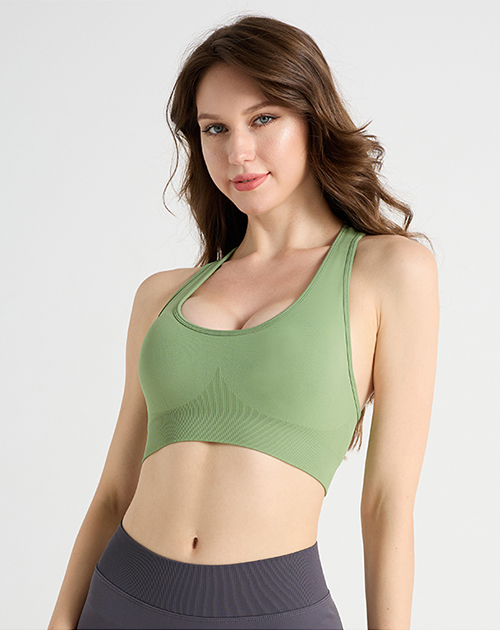
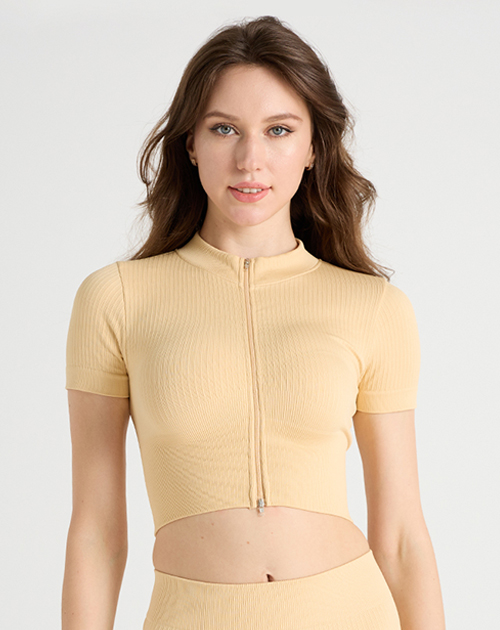
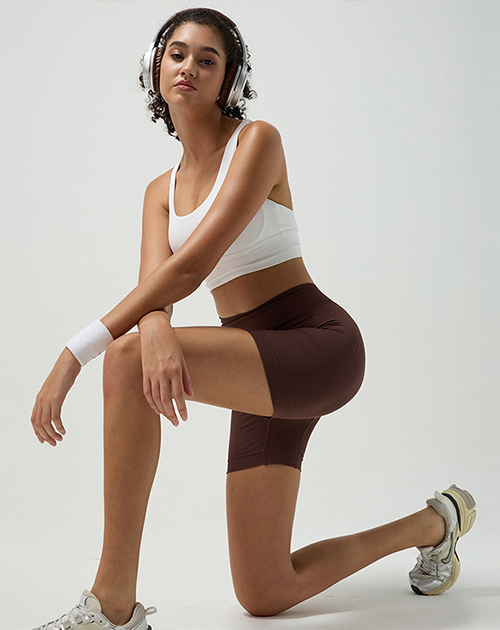
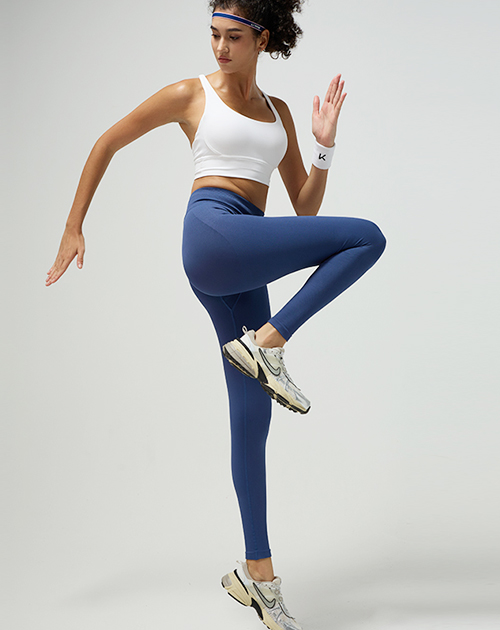
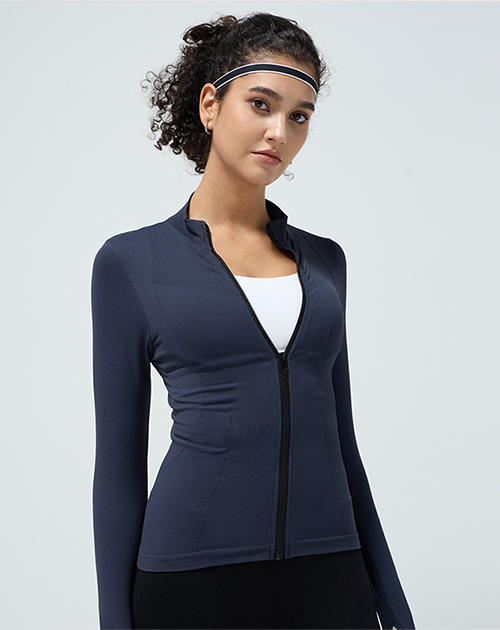
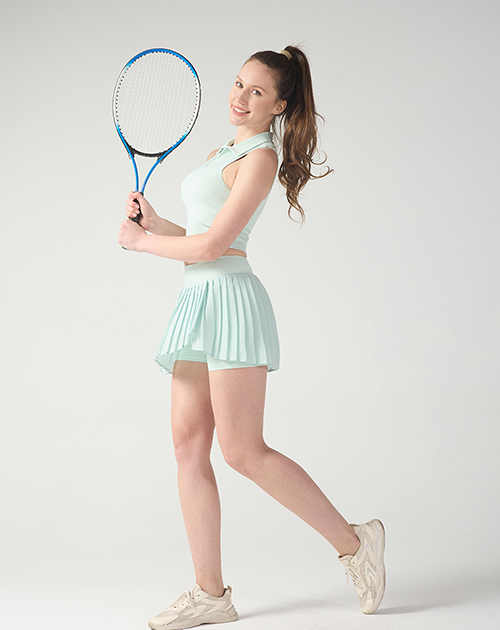
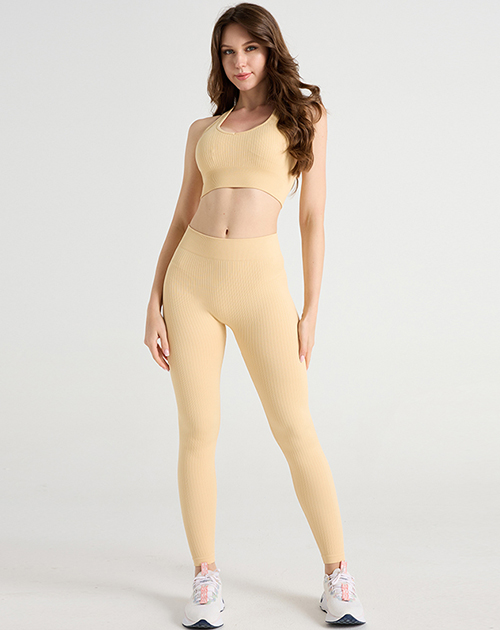
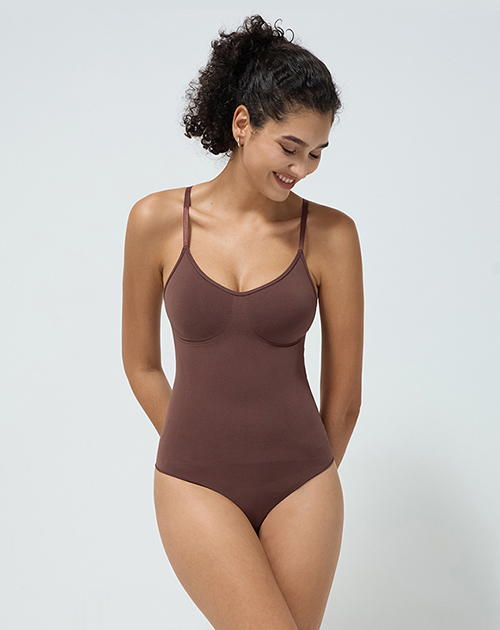
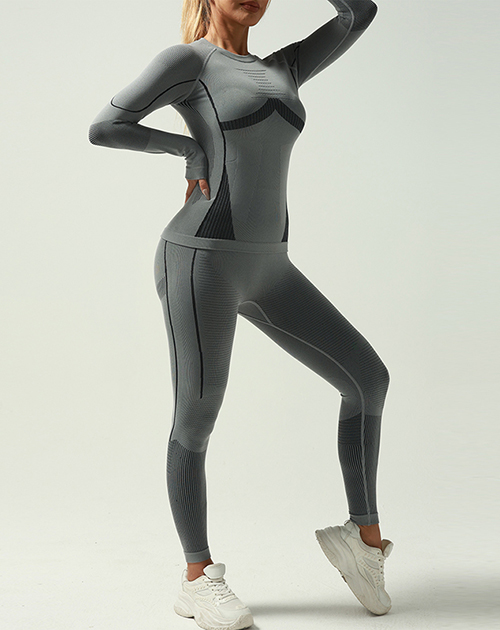
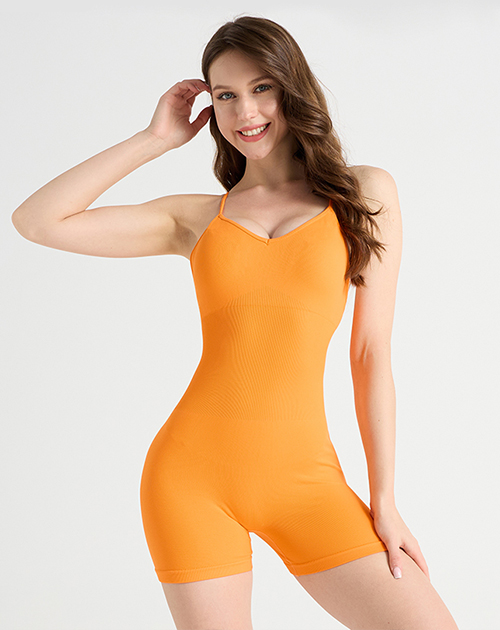
Finding clothes that genuinely support your body while keeping you comfortable throughout the day is harder than it sounds. Most people reach for shaping garments expecting visual results, only to end up tugging at waistbands or feeling restricted by lunchtime. That is exactly where Tummy Control Activewear changes the conversation — not by promising a dramatic transformation, but by delivering real, wearable support that works with your body rather than against it. This guide breaks down how these garments function, who benefits from them, and how to choose one that you will actually want to wear.
Before exploring how to shop for it, it helps to understand what sets this category apart from related garment types.
Tummy Control Activewear refers to leggings, shorts, bodysuits, and similar pieces that use structured fabric panels, high-rise waistbands, and targeted compression zones to smooth and support the midsection — while remaining breathable and suitable for movement.
Here is how it differs from two commonly confused alternatives:
Compression levels within this category typically range across three tiers:
| Compression Level | Feel | Common Use Case |
|---|---|---|
| Light | Gentle smoothing, barely noticeable | Everyday wear, desk work, casual errands |
| Moderate | Noticeable support without restriction | Yoga, pilates, low-impact workouts |
| Firm | Structured hold, best for short durations | Events, occasional use, high-impact activity |
The functional performance of a well-made piece comes down to three interconnected design elements.
Fabric composition:
Engineered panel construction:
Compression mapping:
Moving beyond the visual appeal, these garments offer measurable practical value across several areas.
Mild abdominal compression creates awareness of the core and can reduce the tendency to slouch during long periods of sitting or standing. It does not replace core-strengthening exercises, but it does offer a gentle prompt. Look for pieces with a higher back panel if this is your priority.
For low-to-moderate intensity activity — yoga, pilates, walking, light weight training — targeted midsection support can reduce perceived abdominal bounce and improve the sense of stability during movement. Performance-rated fabrics breathe better under exertion, so prioritize those over fashion-oriented styles for gym use.
Eliminating fabric bunching and underwear lines allows fitted outerwear to sit cleanly. For tailored clothing or form-fitting dresses, light compression is usually sufficient. Firmer styles can create an overly rigid look under thin fabrics.
Modern fabric technology has largely solved the discomfort historically associated with compression wear. Moisture management, stretch recovery, and soft waistbands mean a properly fitted piece should feel unremarkable by mid-morning — no tugging, no overheating, no visible marks.
For people in postpartum recovery or managing mild core fatigue, moderate-compression pieces can complement prescribed care by providing gentle structural awareness. This is distinct from medical compression and should not replace guidance from a healthcare provider for post-surgical situations.
The psychological effect of feeling supported is well documented in user feedback. Wearing something that holds its shape reliably tends to reduce self-consciousness and improve posture indirectly — a softer benefit, but one that influences how people actually move through their day.
Not everyone needs the same thing from a support garment. Consider which scenario fits your situation.
Use this checklist before committing to a purchase.
Fit and sizing:
Construction details to inspect:
Fabric priorities:
Even well-made garments come with limits.
Choosing a garment in this category is ultimately about matching the right compression level, fabric technology, and construction quality to how and when you plan to wear it. Light compression in a breathable knit covers most everyday situations; moderate compression in a performance fabric handles active use; firm compression belongs in a rotation rather than a daily habit. Getting the size right — rather than going smaller — is the single decision that most affects comfort. Manufacturers who invest in panel engineering, quality elastane blends, and thoughtful seam placement produce pieces that feel genuinely supportive rather than merely tight. Jinhua Yongxing Knitting Co., Ltd. is one example of a manufacturer with a background in technical knitting that informs how these construction details come together at the production level. If you approach the category with a clear sense of your compression needs, preferred use case, and fit priorities, you will find something that earns a permanent place in your wardrobe rather than sitting unused after the first uncomfortable afternoon.
Copyright © Jinhua Yongxing Knitting Co., Ltd.
 Seamless Yoga Sets


 English
 русский
 Español