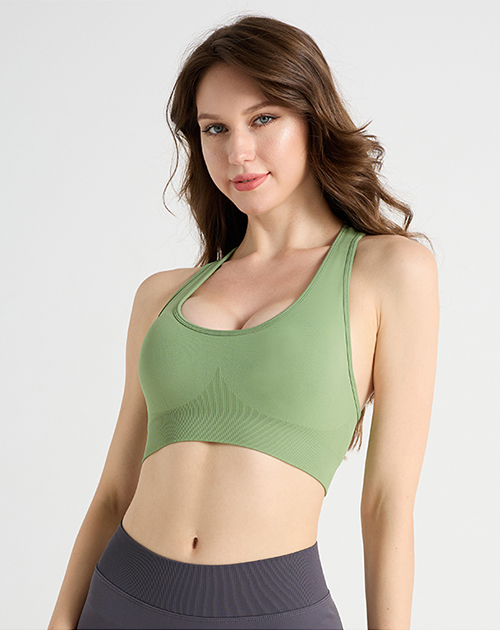
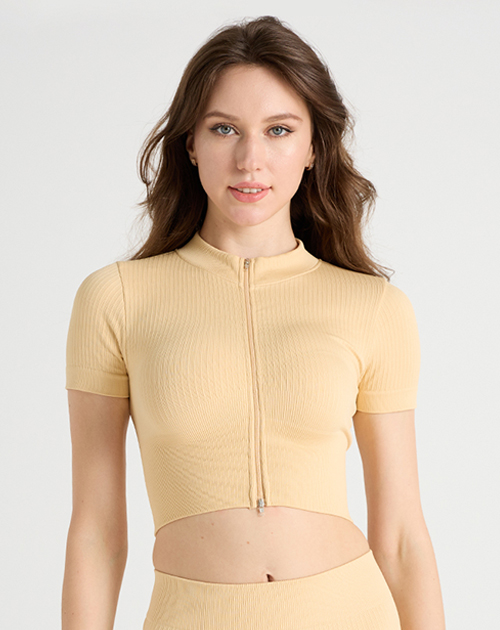
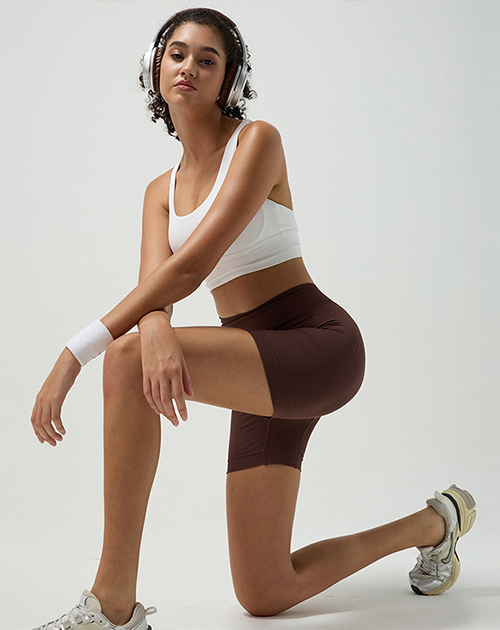
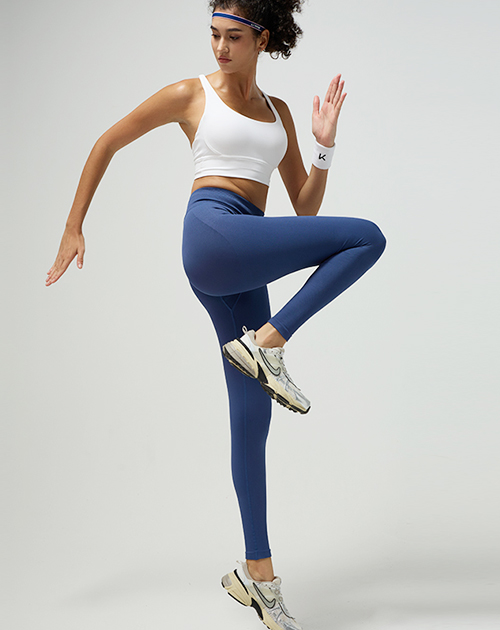
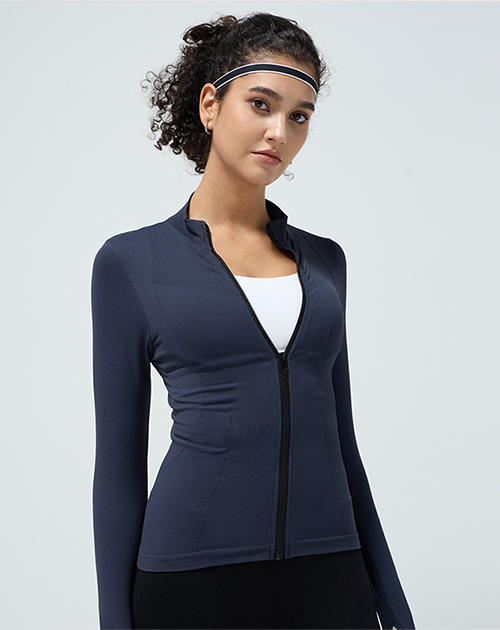
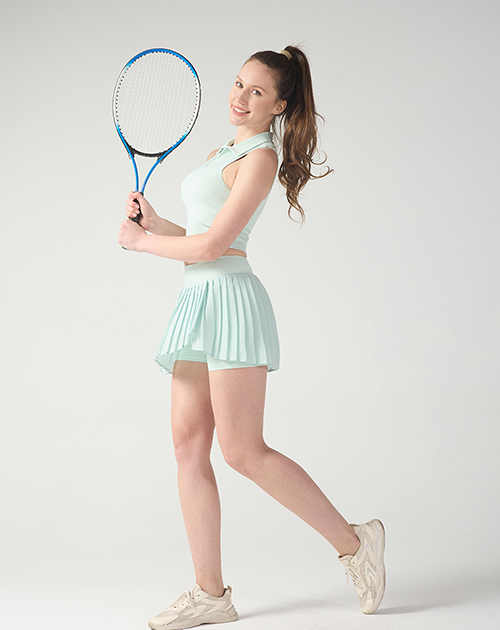
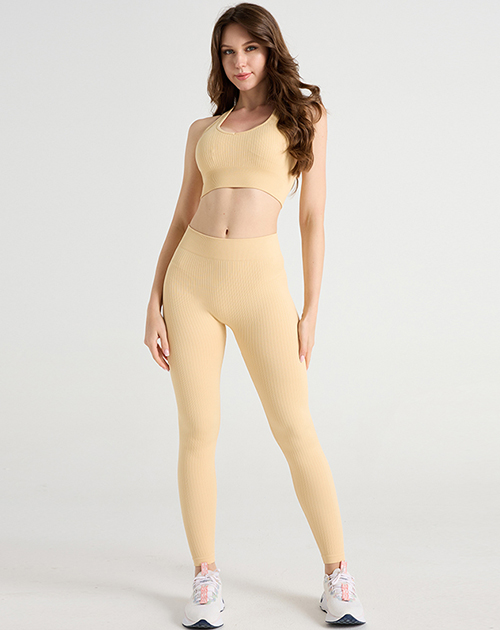
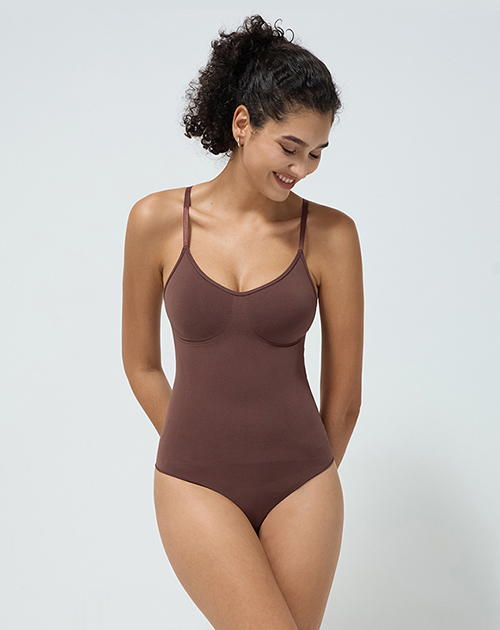
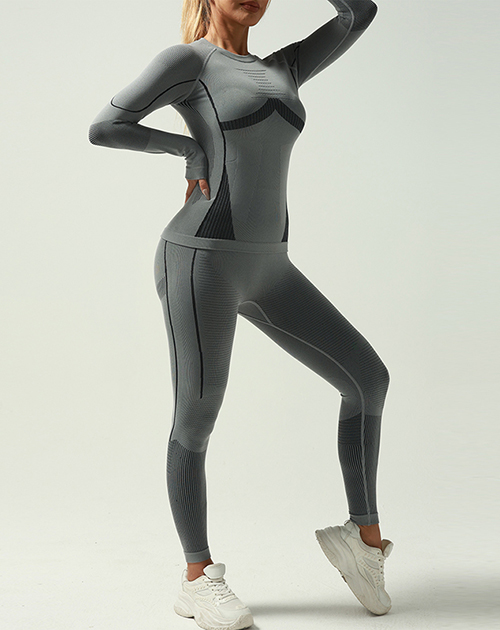
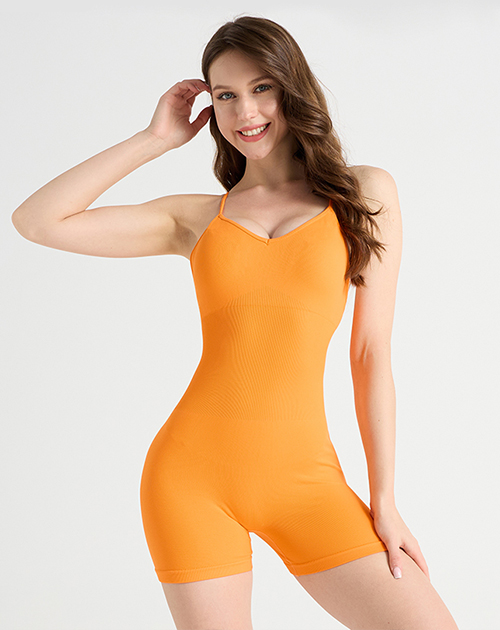
Shopping for workout gear that actually keeps its promises? Harder than it sounds. Walk into any store — or scroll through any marketplace — and you will be buried under labels screaming "slimming," "shaping," and "sculpting," most of which dissolve into disappointment the moment you actually bend down to tie your shoes. The search for genuine Tummy Control Activewear, the kind that smooths, supports, and moves with you rather than against you, is exactly what this piece is about. No vague claims. No filler. Just a clear, practical look at what separates the garments that work from the ones that merely look good on a hanger.
Pull apart the construction of any shaping activewear that earns consistent praise and you will find the same handful of features doing the heavy lifting. It is never one thing — it is a combination.
Combine these elements and the result speaks for itself — visible smoothing you can feel from the moment you pull it on.
Honest answer: yes. But with a nuance worth understanding before you buy.
For postpartum shoppers specifically: gentler compression is advisable in the months following delivery. Anyone recovering from a cesarean section should consult a healthcare provider before committing to a firm compression level.
This is where a lot of shoppers go wrong — they assume firmer is always better. It is not. Too much compression for the wrong activity creates discomfort, restricts breathing, and can cause visible bulging above the waistband rather than smoothing it.
| Compression Level | What It Feels Like | When to Reach for It |
|---|---|---|
| Light | Barely-there, like a second skin | Casual daily wear, errands, mild stretching |
| Medium | A noticeable, supportive hug | Yoga, pilates, walking, low-impact cardio |
| Firm | Strong, deliberate shaping | High-intensity training, postpartum support |
If you are buying for the first time: medium is the move. It delivers visible results without the break-in period that firm compression sometimes requires.
You can read a product description in ten seconds and know whether a brand is serious about performance — if you know what to look for.
Nylon-elastane blends are the workhorse combination: nylon holds shape and wears well over time, while elastane gives the stretch-and-recovery that keeps the garment feeling fresh after dozens of washes. Power mesh — often hidden as a front panel lining — delivers targeted compression without adding bulk. You will not always see it from the outside, but you will feel it. Moisture-wicking finishes are not purely comfort features; staying dry during movement also means less friction and less skin irritation over a long session. And flat or bonded seams prevent the pressure lines and chafing that can make an otherwise good garment unbearable after thirty minutes.
One red flag: any product page that describes fabric as simply "stretchy" or "soft" without listing material percentages. That vagueness usually means there is nothing worth highlighting underneath.
The garment is only half the equation. Where you buy shapes the entire experience — from how well sizing guidance holds up to what happens if the fit is off.
A quick shortcut: If shaping is the priority and movement is secondary, start with a specialized compression brand. If the garment needs to perform during workouts and look good doing it, lean toward a performance or direct-to-consumer brand. Postpartum? Go gentle and go specialist.
A trustworthy product listing earns confidence before checkout. Here is what to look for:
Missing more than two of these? A brand confident in its product does not hide the details. Find one that provides them.
Three measurements. That is all it takes to dramatically improve the odds of a first-try fit.
Map all three against the brand's actual size chart. If you land between sizes, size up. The instinct to size down for more compression is understandable but usually counterproductive — undersizing causes bulging above the waistband, reduces breathability, and makes the garment uncomfortable fast.
"Tighter equals better results." This one persists and causes real problems. Oversized compression restricts circulation, encourages rolling, and often creates the exact visual effect it is supposed to prevent. Fit correctly, and the garment does the work it was designed to do.
"It will help with weight loss." Shaping activewear smooths. It does not burn fat, build muscle, or produce any lasting physical change. Understanding that distinction upfront saves a lot of frustration.
"Tummy control is standard in activewear now." Plenty of brands use the phrase loosely. Without a structured front panel or graduated compression, any shaping effect is negligible — more suggestion than substance.
Run through this when comparing options:
There is a certain quiet satisfaction in finding a garment that actually does what it claims — one that stays in place during a workout, smooths under clothing without cutting off circulation, and still holds up after a month of regular wear. Getting there takes a little more care upfront: measuring properly, reading product pages with healthy skepticism, choosing the right channel for your situation. But once the fit is right, it is right consistently. Manufacturers like Jinhua Yongxing Knitting Co., Ltd. bring the kind of focused production expertise that makes that consistency possible — garments built to a technical standard, not just a story. Use the checklist, trust real customer photos over polished marketing shots, and give yourself a proper return window to test before committing. The right piece genuinely changes how you feel in your clothes, and that is worth taking the time to find.
Copyright © Jinhua Yongxing Knitting Co., Ltd.
 Seamless Yoga Sets


 English
 русский
 Español