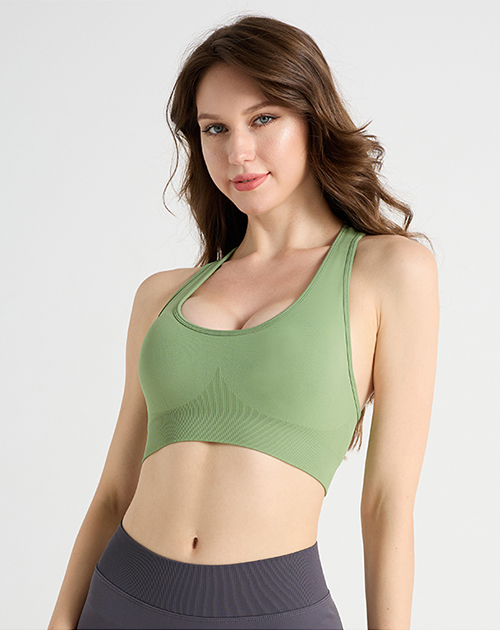
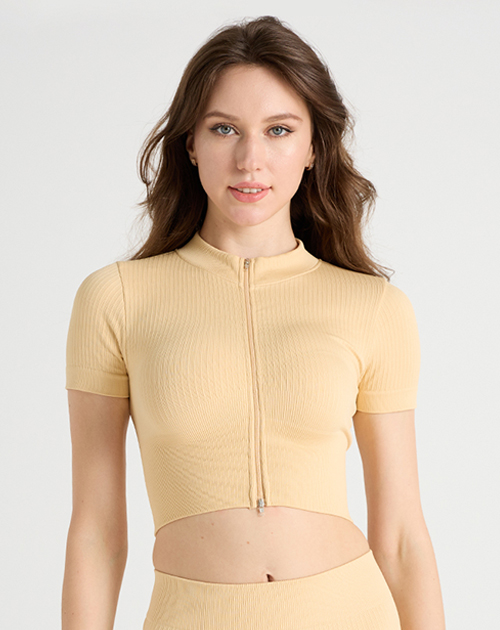
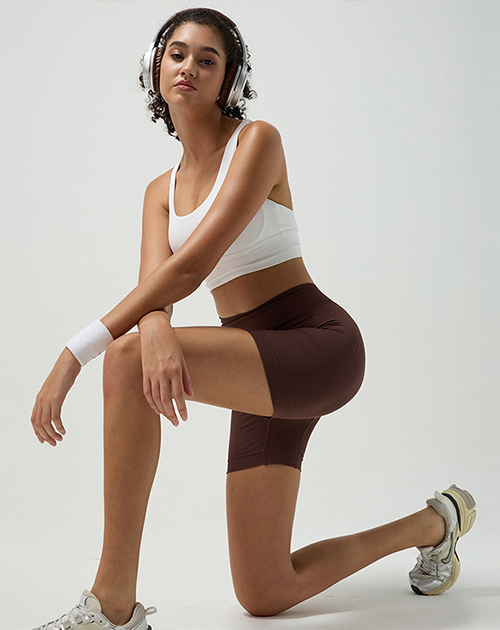
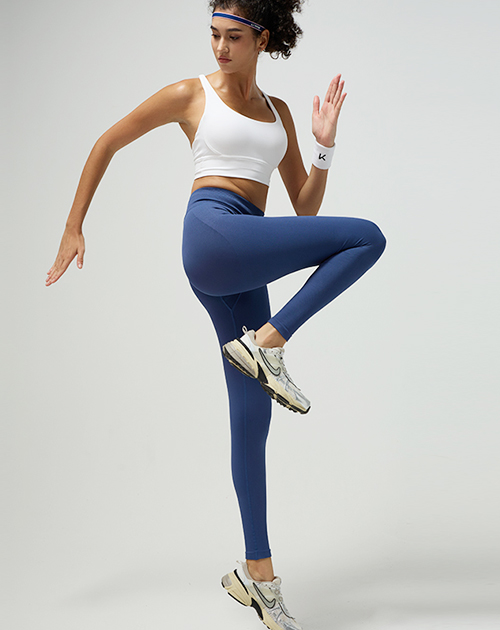
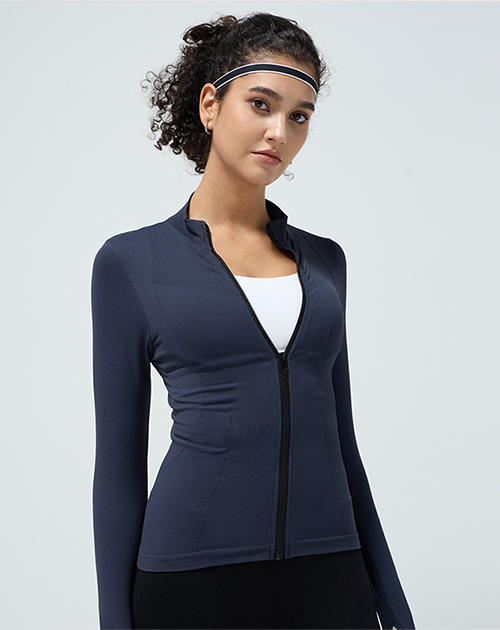
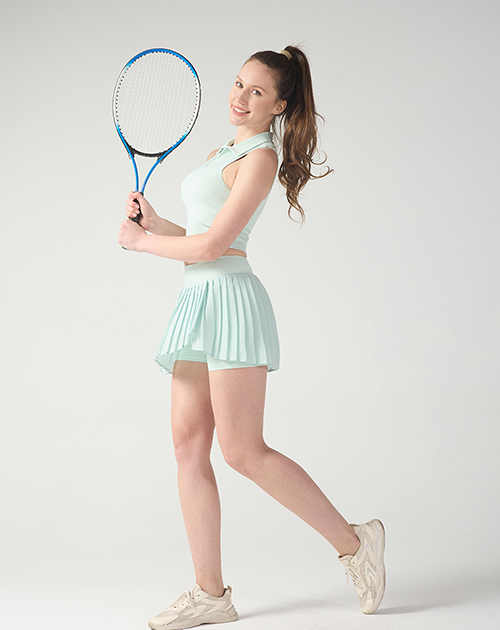
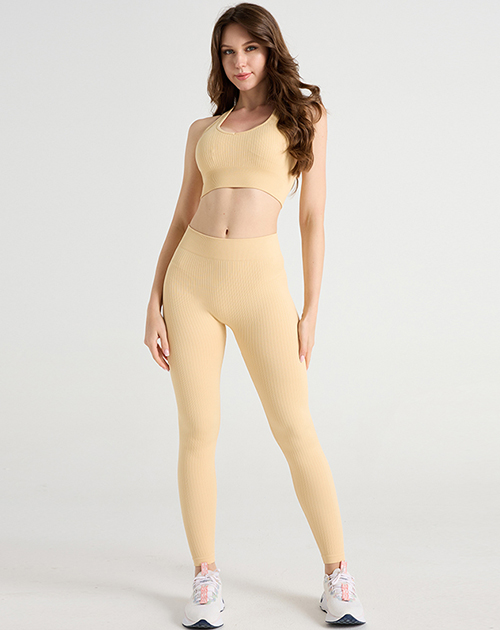
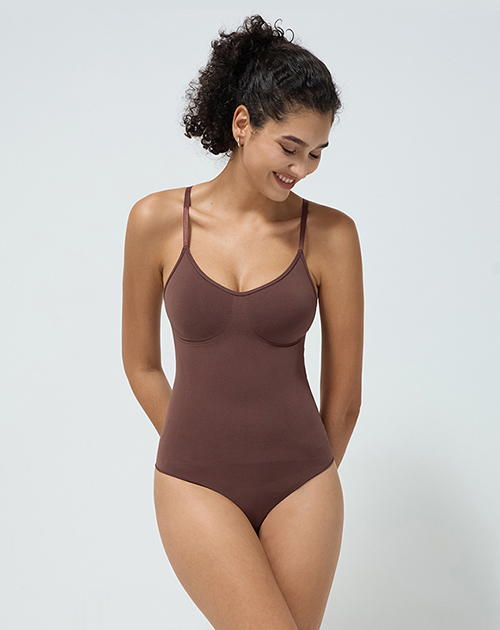
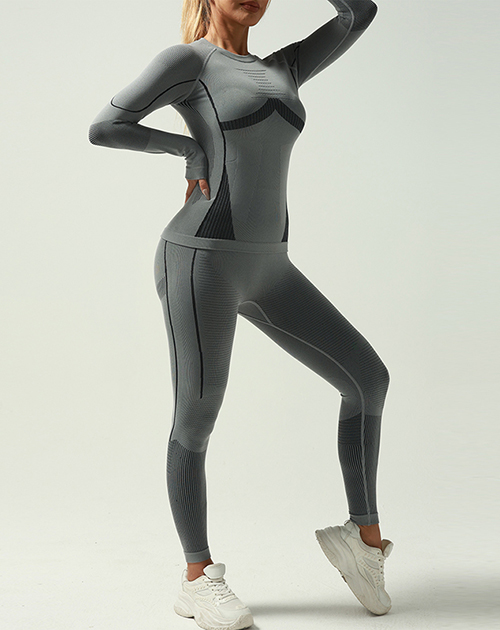
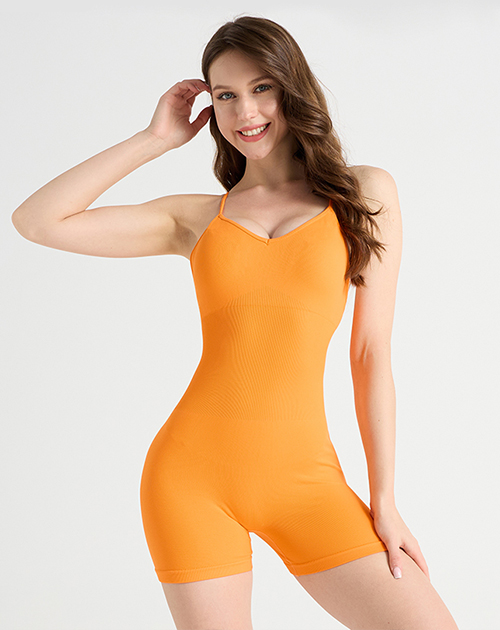
Finding the right apparel for a daily practice can quietly transform how you feel on the mat — not in some dramatic way, but in the small, cumulative sense that comes from never having to tug at a waistband mid-pose or wince at fabric pressing into your hip. Many practitioners discover this almost by accident. They switch to gear like Yongxing Seamless Yoga Sets and realize, only in hindsight, how much mental energy they'd been spending on their clothing. These garments have become a genuine staple for people who want their attention on their breath, not on what they're wearing.
Simply put, seamless yoga sets are two-piece or coordinated activewear collections — typically a sports bra or crop top paired with leggings — constructed without the traditional side seams found in most athletic clothing. But that description undersells what makes them genuinely different.
Conventional sportswear is built the way most clothing is: flat panels of fabric are cut into shapes and stitched together at the edges. That stitching creates seam lines — raised ridges of thread that run along the hips, inner thighs, and torso. For a casual walk or a light gym session, this is rarely a problem. For yoga? Those seams press, shift, and chafe in ways you notice every time you fold forward or lower into a long hold.
Seamless yoga sets sidestep this entirely. They're produced as a single continuous tube of fabric using circular knitting machines, which means no panels, no stitching, no seam lines. The fabric wraps the body like a second skin. Beyond the comfort factor, the construction also allows manufacturers to program different zones of compression and stretch directly into the knit — firmer around the core and waistband, more yielding through the hips and thighs. It's a level of structural precision that cut-and-sew simply can't replicate.
Think of it as the difference between a tailored suit and one made from a single piece of cloth shaped to the body. Both might look similar on a hanger. On the body, in motion, they feel entirely different.
The engineering here is worth understanding, even briefly. Circular knitting machinery guides yarn through a continuous loop, building fabric from the ground up rather than cutting it from flat sheets. The machines can vary yarn tension, fiber type, and stitch density at any point in the process — which is how a single garment ends up with mesh panels for ventilation exactly where airflow matters, and denser knit in areas that benefit from support.
No side seams means no raised threads rubbing against skin during complex poses. A consistent texture runs across the entire garment. And because the fabric density is mapped rather than uniform, you get structure and flexibility in the same piece — not as a compromise between the two, but as a deliberate design outcome.
The practical benefits show up quickly and compound over time.
Reduced friction is the obvious one. Without seam lines pressing into skin, holds that used to become uncomfortable after a few breaths simply... aren't. That extra margin — even if it's only thirty seconds — changes how deeply you can settle into a posture. Range of motion improves too, partly because the fabric stretches with the body rather than resisting it, and partly because you stop unconsciously bracing against clothing that pulls.
Compression deserves a mention here because it's often misunderstood. The gentle, even pressure these sets provide isn't the tight, binding kind — it's more like a light, stabilizing presence. Supportive without feeling constricting. And because the compression is woven into the fabric structure rather than added through elastic inserts, it doesn't create pressure points or cut off circulation at the seams.
Durability is another factor that tends to surprise people. Seams are structural weak points — they're where fabric joins under tension, and over time, that tension wins. Fewer seams means fewer places for the garment to fail. Seamless yoga sets genuinely hold their shape across months of regular washing and wear in a way that cheaper cut-and-sew alternatives don't.
| Feature | Impact on Yoga Practice |
|---|---|
| No side seams | No chafing during floor work or deep holds |
| Circular knit construction | Unrestricted movement in all directions |
| Zone-mapped compression | Support where needed, flexibility where it counts |
| Smooth surface finish | Clean aesthetic, transitions from studio to street |
Honestly, this comes down to how you move and where you practice. Someone working through a slow, floor-based yin sequence has different needs than someone moving through a fast vinyasa flow with lots of standing transitions.
Fabric weight is probably the most useful variable to pay attention to. Denser, heavier knits provide more structure — good for active, high-intensity sessions where you want everything to stay firmly in place. Lighter weights move with less resistance, which works well for stretching-focused practices or warm environments where breathability matters more than containment.
Waistband construction is easy to overlook until it's wrong. A wide, high-rise waistband distributes pressure evenly and stays put through forward folds and inversions. Narrow waistbands, by contrast, tend to roll or dig in — and once you've noticed it, you can't un-notice it. The same principle applies to bra design: broader bands and wider straps generally stay more stable through a full range of shoulder and arm movement.
New seamless pieces often feel slightly firm out of the bag — that's normal. The knit softens and adjusts to your shape after a wash or two, so don't judge fit on the very first wear. Size-wise, aim for snug without tight. Too loose and the fabric will bunch in the wrong places; too tight and you'll feel restricted rather than supported.
Care is straightforward but does matter. Cool water washing protects the elastic fibers that give seamless fabric its recovery — hot water gradually degrades them. Skip fabric softener entirely; it coats the fibers and reduces their ability to spring back. Turn garments inside out before washing to reduce surface friction. And air dry whenever you can. The dryer is convenient, but heat is the quiet enemy of stretch fabric longevity.
There's a pattern that repeats itself among practitioners who've been through a few rounds of activewear: the cheaper option never quite saves money over time. Garments that lose their shape after a season, pill at the thighs, or develop that deflated, over-washed texture end up costing more in replacement purchases than a well-made set would have to begin with.
This isn't just about economics, though. There's something to be said for the experience of wearing something that still performs the way it did on day one — that holds its compression, maintains its texture, and fits consistently session after session. Seamless yoga sets, because of how they're engineered, tend to age more gracefully than their seamed counterparts. The absence of stress points means wear is distributed rather than concentrated.
And there's a quieter argument here too — one around sustainability. Durable clothing bought less frequently generates less waste. For practitioners who already think carefully about what they consume and how they move through the world, that alignment between values and wardrobe choices isn't trivial.
Your clothing is the foundation of your movement. When it works — genuinely works, without demanding your attention — you're free to direct your focus where it actually belongs: toward alignment, breath, and the quality of presence you bring to each session. That's what well-designed Seamless Yoga Sets make possible. And it's a standard that begins long before the garment reaches you, at the level of the machines, the materials, and the people who understand how to use them. Yongxing Knitting Co., Ltd. has built its work around exactly that understanding — combining precision circular knitting technology with rigorous quality standards to produce activewear that moves with you, lasts with you, and quietly supports a practice you're committed to for the long haul.
Copyright © Jinhua Yongxing Knitting Co., Ltd.
 Seamless Yoga Sets


 English
 русский
 Español