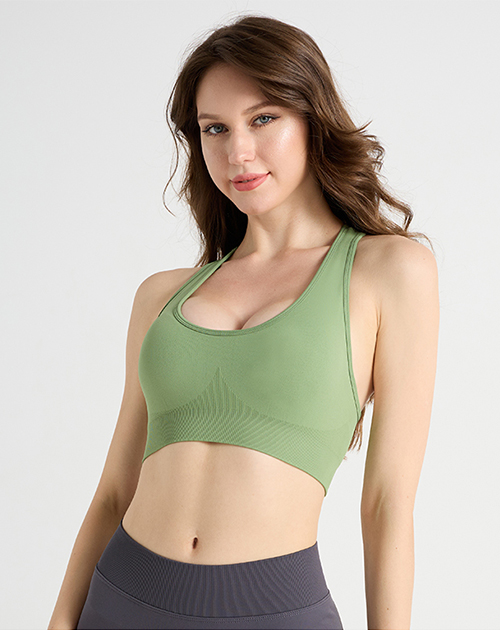
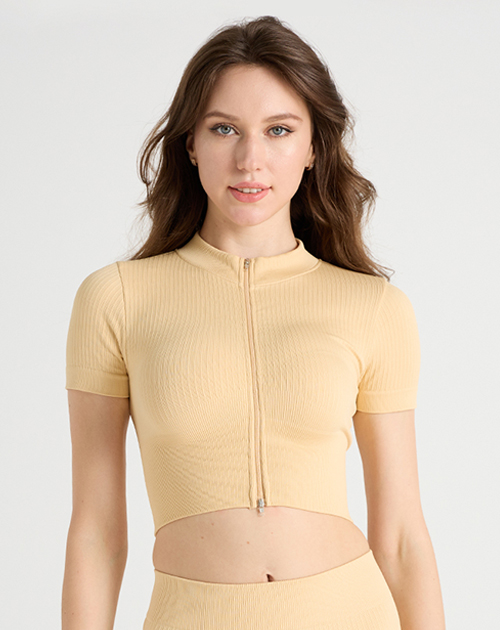
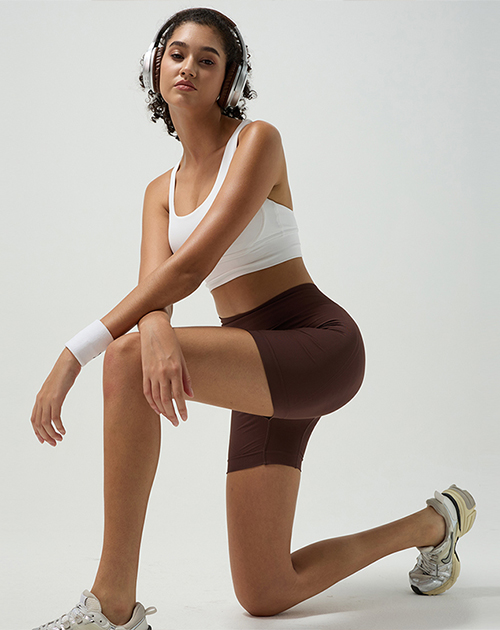
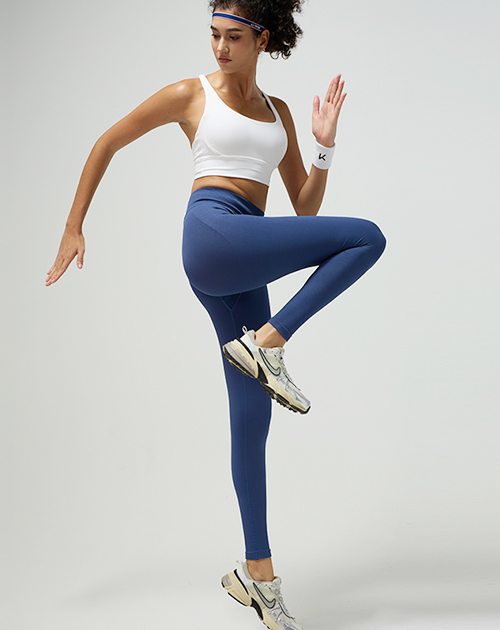
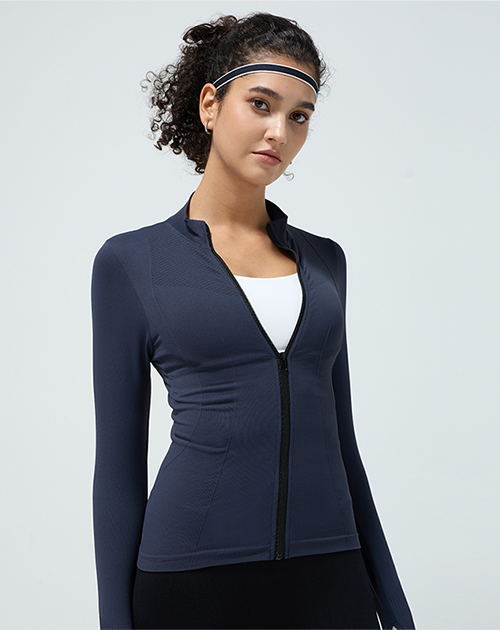
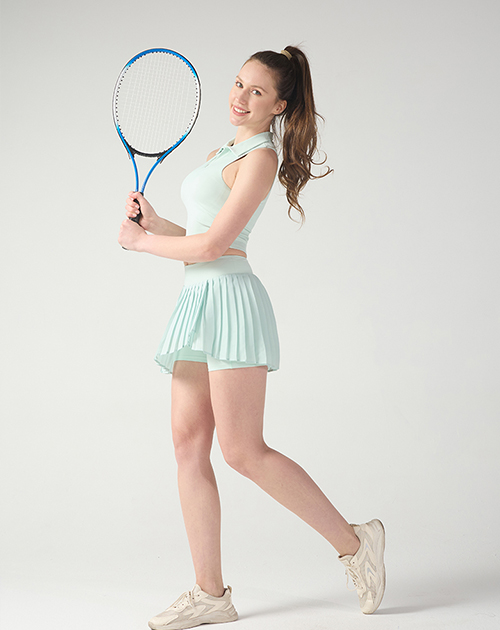
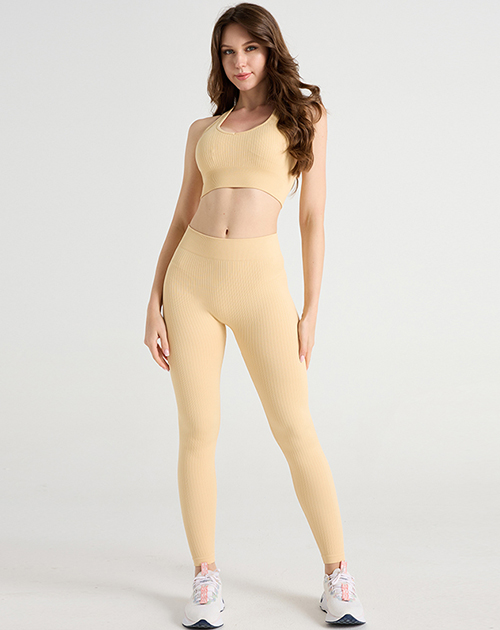
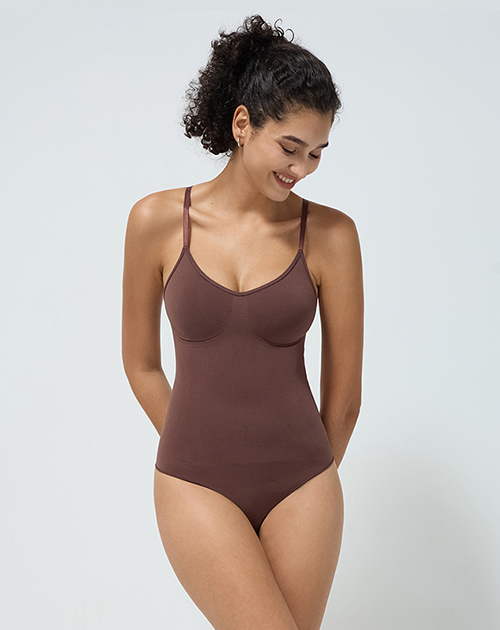
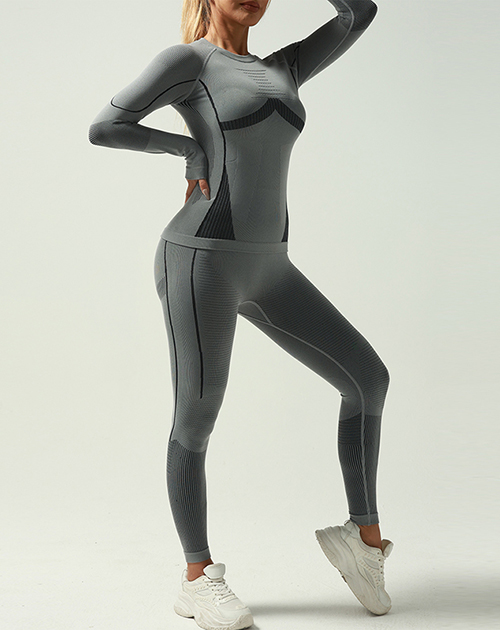
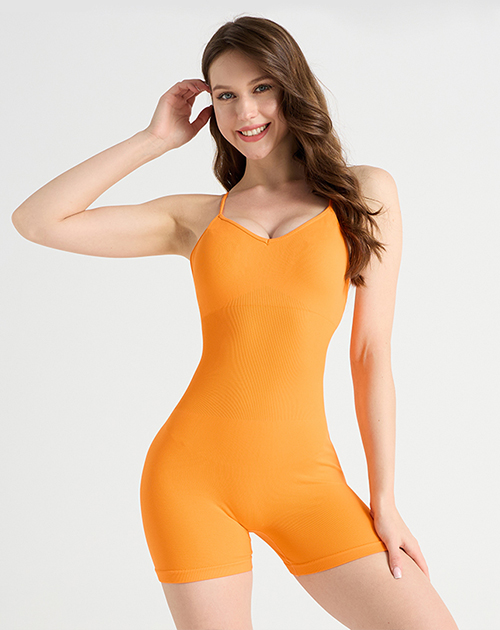
Activewear keeps changing as shoppers care more about comfort, fit, flexibility, and looks. Yoga clothing is no longer just basic gym gear. It has moved into everyday wardrobes, mixing functional design with casual style. Seamless yoga suits, with their smooth construction and close fit, have drawn particular attention.
Traditional sportswear is made by cutting fabric into separate pieces and sewing them together. Yoga suits come from specialized knitting processes instead. That cuts down the number of conventional seams and lets different sections of the garment form as one connected structure.
The aim is clothing that moves with the body and still looks smooth. People wear yoga suits for yoga, Pilates, gym training, stretching, and everyday activities.
But what actually makes a yoga suit seamless? How is it produced? And what should manufacturers keep in mind when developing one?
Looking at the materials, knitting methods, design features, and production stages explains why seamless construction now plays such a big role in modern activewear.
A yoga suit is sportswear made with knitting technology that reduces or removes traditional seams in selected areas. It generally fits closely to the body while leaving room to move freely during exercise.
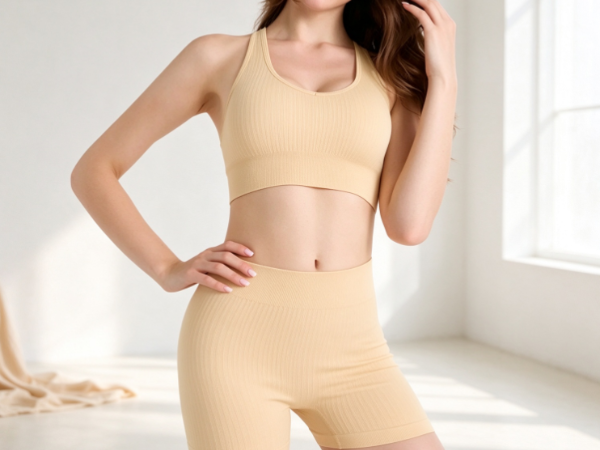
A suit may include a sports bra, leggings, shorts, or a matching top and bottom set. The pieces are designed to go together in look, fabric texture, and comfort.
"Seamless" doesn't always mean the garment has no seams anywhere. Some areas may still need stitching or another joining method. The real difference is that much of the structure is knitted directly instead of assembled from many separate fabric pieces.
This construction brings several practical traits:
Styles vary. Some are simple designs for daily workouts. Others have textured patterns, body-contouring details, and different levels of support.
Their popularity reflects a wider shift in activewear. People expect sportswear to feel good during exercise and to fit naturally into everyday outfits.
The main difference is how the garment is built.
Traditional yoga wear usually starts with knitted or woven fabric cut into separate pattern pieces. Those pieces are sewn together to make the finished garment.
Seamless wear takes another route. Specialized knitting machines form much of the structure directly, so fewer fabric panels and joining seams are needed.
That difference touches the manufacturing process, the look of the garment, and how it feels to wear.
| Comparison | Seamless Yoga Suit | Traditional Yoga Wear |
|---|---|---|
| Manufacturing Method | Mainly formed through specialized knitting | Fabric is cut into separate pieces and sewn together |
| Construction | Reduces traditional seams in selected areas | Uses multiple stitched sections |
| Surface Appearance | Can feature integrated textures and patterns | Often depends on fabric printing, cutting, and stitching |
| Fit | Knitted structure can follow body contours | Fit is mainly determined by pattern design and garment construction |
| Flexibility | Depends on yarn and knitting structure | Depends on fabric composition and garment design |
| Design Process | Combines knitting patterns and garment shaping | Relies on pattern making, cutting, and sewing |
Neither method suits every product. Sewing still works best for garments with specific shapes, panel layouts, or structural details.
Seamless manufacturing is simply another option. It makes the most sense when a brand wants to avoid bulky seams and build fabric patterns right into the garment.
The choice comes down to intended use, product structure, material needs, and production capability.
Fabric choice directly shapes comfort, flexibility, appearance, and durability.
These garments sit against the skin, so the material has to handle stretching and repeated movement well. It should also feel pleasant during exercise.
Manufacturers usually rely on synthetic fibers and blended yarns to get the properties they need.
Nylon
Nylon is popular in activewear for its smooth surface, flexibility, and resistance to everyday wear. It gives the fabric a soft feel on the skin.
It also works well in knitted structures that must stretch and spring back. Nylon blends are common in leggings, sports bras, and fitted yoga tops.
Polyester
Polyester is another staple of sportswear. It's valued for holding its shape, lasting a long time, and handling moisture reasonably well.
Depending on the fabric structure and finishing, polyester suits garments meant for regular exercise and daily wear.
Spandex
Spandex is the elastic fiber that supplies stretch and recovery. The fabric expands when the wearer bends, stretches, or shifts position.
Blended with other fibers, it creates the flexible fit people expect from yoga clothing. The amount and placement of elastic fiber affect support and overall feel.
Blended Fabrics
Many seamless suits combine fibers instead of using just one.
Nylon and spandex blends, for instance, are often chosen for softness plus elasticity. Polyester and spandex blends can strike a balance between flexibility and shape retention.
| Material | Main Characteristics | Common Uses |
|---|---|---|
| Nylon | Smooth texture, flexibility, and wear resistance | Yoga leggings, fitted tops, sports bras |
| Polyester | Shape stability and durability | Training tops, leggings, sportswear |
| Spandex | Stretch and recovery | Waistbands, fitted garments, flexible fabric structures |
| Nylon and Spandex | Softness and elasticity | Seamless yoga sets |
| Polyester and Spandex | Flexibility and shape retention | General activewear |
Material selection should also weigh skin contact, fabric weight, breathability, and care requirements.
A fabric that feels fine in a short workout may behave differently over a long session. Manufacturers should judge the whole wearing experience, not a single material property.
Production runs through several linked stages. Compared with cut-and-sew clothing, much of the garment structure comes straight off the knitting machine.
The general flow covers product design, material selection, knitting, finishing, inspection, and packaging.
1. Product Design and Structure Development
Everything starts with the design. Designers think about the intended activity, target fit, body shape, and overall look.
A suit may need different levels of support in different places. The waist might need a stable structure, while the legs need enough give for stretching and bending.
Designers also decide where textures, ribbed sections, and other knitted patterns go.
Unlike conventional clothing design, seamless development has to consider how the knitting structure will form the finished piece. The design must work within what the knitting equipment can do.
2. Yarn and Material Selection
Once the structure is planned, manufacturers pick the yarns.
Fibers shape the softness, elasticity, durability, and look of the finished product. The yarn must also suit the intended knitting process.
Several requirements usually have to be balanced:
The yarn mix also affects how well the garment keeps its shape. If the material doesn't recover after stretching, the suit will slowly go loose.
3. Seamless Knitting
Knitting is the heart of seamless production.
Specialized machines build the garment from interconnected loops of yarn. Rather than making a large piece of fabric and cutting it into sections, the equipment forms a garment tube or shaped structure directly.
Along the way, manufacturers can change the knitting pattern to give different parts of the garment different properties.
For example:
This lets manufacturers build garments with distinct functional zones without depending entirely on separate fabric panels.
The process does need tight control, though. Uneven yarn feeding, inconsistent tension, or unsuitable pattern settings can produce irregular fabric structures.
4. Garment Shaping and Pattern Formation
Seamless knitting cuts down on sewing, but shaping is still a key part of production.
The knitting structure has to match the intended body fit. The waist, hips, thighs, and chest may each need a different degree of stretch and support.
Some designs use built-in shaping for a body-contouring effect. Others go for a looser fit suited to general exercise and daily wear.
Size variation matters too. A garment that fits one body comfortably may not feel the same across other sizes.
A well-developed design accounts for this early in production.
5. Dyeing and Finishing
After knitting, the garment or knitted material may be dyed and finished, depending on the production method.
Dyeing sets the color. Consistency needs attention, especially for coordinated yoga sets.
Finishing treatments affect softness, surface feel, and wearing characteristics.
Washing, drying, and other treatments may follow to stabilize the garment before final inspection.
Not every suit follows the same finishing route. The steps depend on fiber composition, knitting method, product design, and the look wanted.
6. Inspection and Quality Control
Inspection is essential. Even with automated knitting, finished garments must be checked for structural and visual problems.
Common checkpoints include:
These checks let manufacturers catch problems before the garments reach packaging.
Comfort is a main reason people choose seamless yoga clothing. But losing the seams doesn't automatically make a garment comfortable.
The experience depends on fit, stretch, body support, and how the garment responds to movement.
Several design features come into play.
Body-contouring construction
A yoga suit should follow the body's natural shape without adding pressure where it isn't wanted. The knitted structure can be tuned to give different levels of stretch in different areas.
That helps manufacturers build garments that fit closely and still allow movement.
Flexible waistbands
The waistband matters a lot in leggings and yoga shorts. It has to stay put during bending, stretching, and other movements.
A poor waistband may roll down, dig in, or shift during exercise. Seamless construction can build ribbed or supportive structures into this area.
Breathable fabric zones
Different parts of the body give off different amounts of heat and moisture during activity.
Some seamless designs use more open knitting in selected areas to help airflow, which adds to comfort during exercise.
Suitable compression
Compression is the pressure a garment puts on the body. In yoga wear it's usually tied to a close fit and a feeling of support.
The level should suit the activity. Too much pressure can restrict movement, and too little can leave the garment unstable.
Smooth surface construction
Traditional seams can create pressure points where they rub the skin. Cutting seams in selected areas may help reduce that.
A smooth surface counts most in activities with repeated bending, stretching, and changes in position.
Making a seamless yoga suit takes more than choosing yarn and running knitting machines. Quality depends on how materials, design, production control, and inspection fit together.
A few areas deserve special attention.
| Quality Factor | Why It Matters | Possible Production Concerns |
|---|---|---|
| Yarn Quality | Influences softness, elasticity, and durability | Uneven yarn quality or poor recovery |
| Knitting Consistency | Affects fabric structure and appearance | Irregular loops or uneven tension |
| Size Accuracy | Determines fit and wearing comfort | Differences between garment sizes |
| Color Stability | Helps maintain a consistent product appearance | Uneven dyeing or color variation |
| Fabric Recovery | Supports the garment's ability to maintain its shape | Stretching or loss of shape after use |
| Finishing Quality | Influences the final surface and wearing experience | Rough texture or inconsistent finishing |
Performance after repeated washing matters as well. Yoga clothing gets washed often because it touches the skin during exercise.
Poor material choices or unsuitable finishing can cause shrinkage, fading, pilling, or loss of elasticity.
Wear tests and washing evaluations during development can reveal these issues early.
Another point is the link between design and production capability. A complex pattern may look great on paper, but it has to be workable on the available knitting equipment.
Close cooperation among designers, material specialists, and production teams narrows the gap between the intended design and the finished garment.
Yoga clothing has stepped out of the studio. Many people now wear leggings, sports bras, fitted tops, and matching activewear sets throughout their day.
Seamless construction suits this trend, since it pairs functional design with a smooth look.
The appeal goes beyond yoga practitioners. People who do Pilates, strength training, walking, or general fitness may also pick seamless activewear.
Several factors are driving this.
A closer fit for different activities
Seamless garments can be designed to follow body movement without many traditional seams. That makes them a good match for stretching, bending, and frequent changes of position.
More flexible styling
Different knitting patterns, textures, and color combinations give manufacturers plenty of room to vary appearance.
A seamless suit can have a plain athletic style or a more fashion-led design, so the same category can serve different tastes.
Growing interest in coordinated sets
Matching tops and bottoms are now a recognizable part of activewear styling. Coordinated seamless sets let manufacturers keep colors, textures, and design details consistent.
The combination of exercise and daily clothing
The line between sportswear and casual clothing keeps blurring. People often want garments that work for a workout and for a relaxed day out.
That opens the door to new fabric textures, garment shapes, and functional details.
Seamless yoga suits also raise the bar for manufacturing. Shoppers may notice fabric feel, fit consistency, color matching, and durability all at once.
Manufacturers therefore need to treat seamless activewear as a blend of textile development, garment engineering, and product design. Knitting is the foundation, while material selection, garment shaping, and quality inspection decide how the finished suit performs in daily use.
Copyright © Jinhua Yongxing Knitting Co., Ltd.
 Seamless Yoga Sets


 English
 русский
 Español