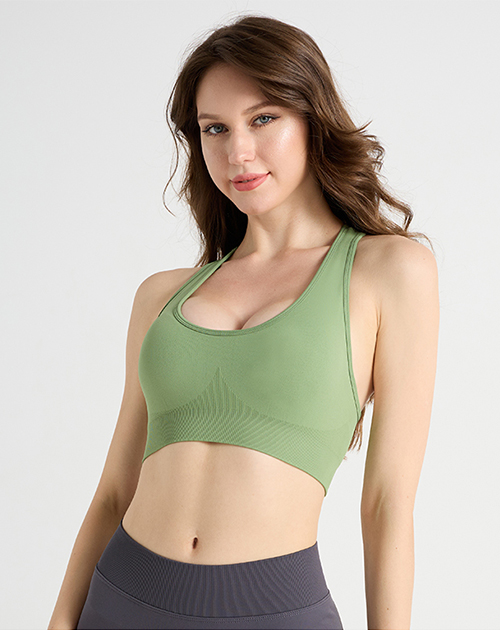
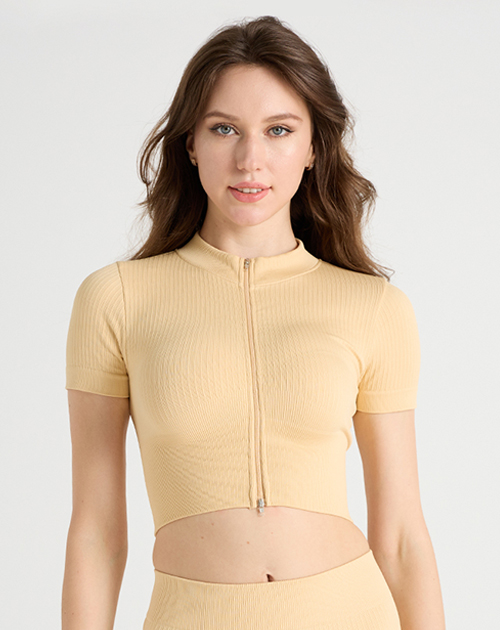
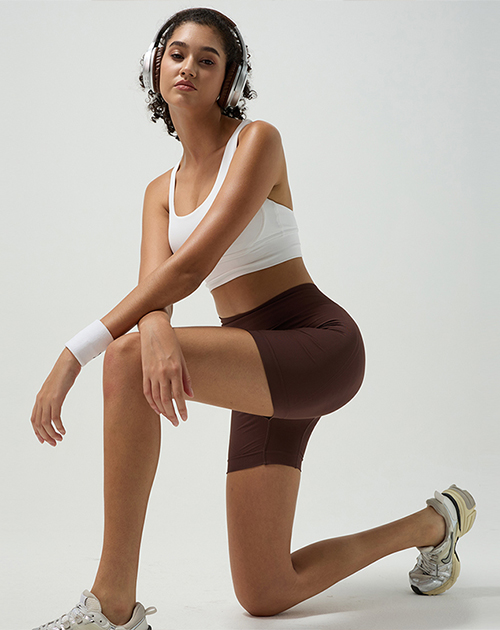
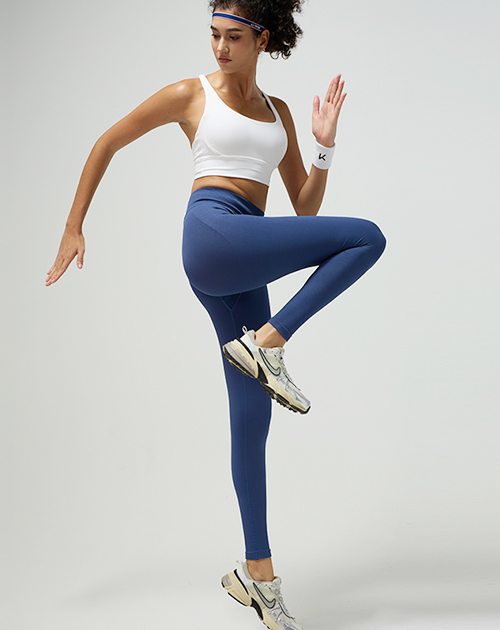
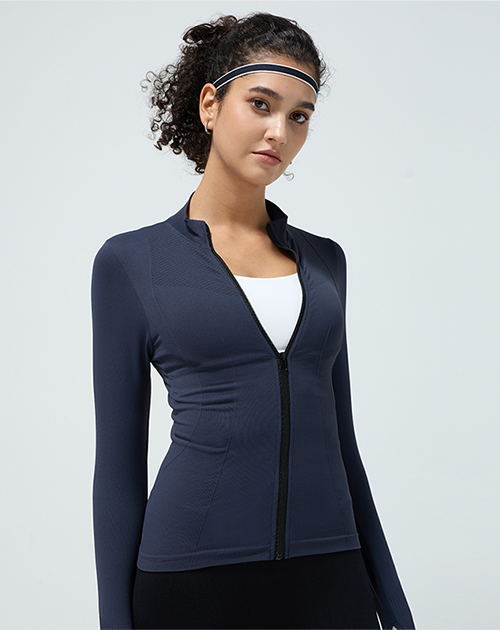
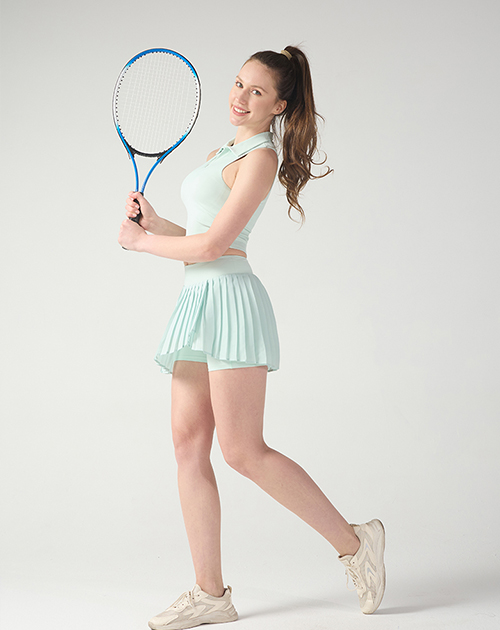
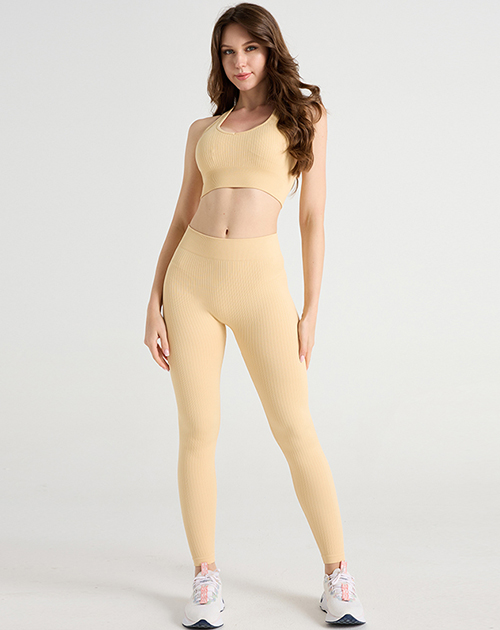
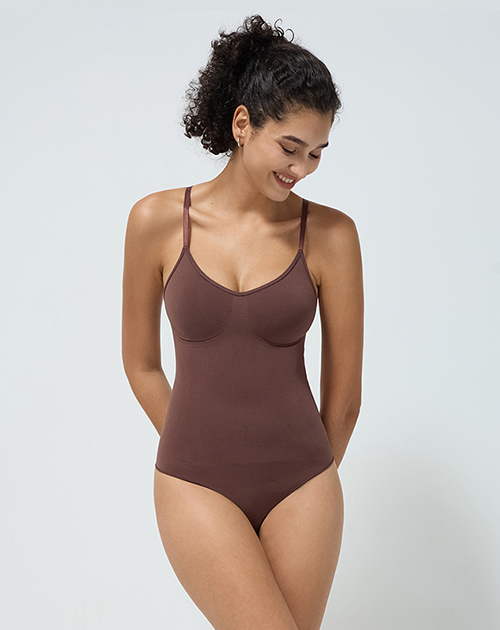
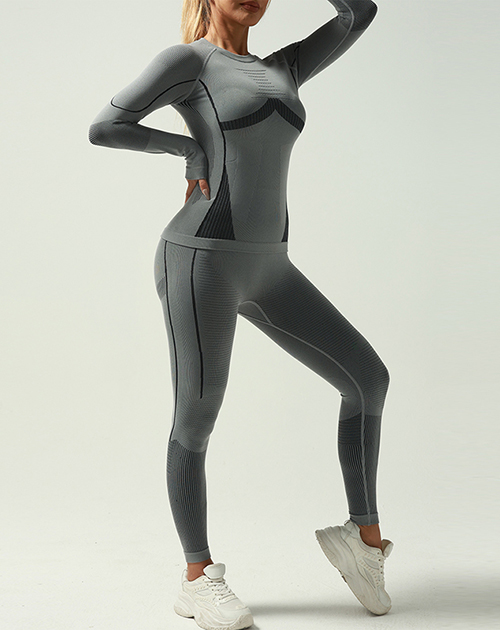
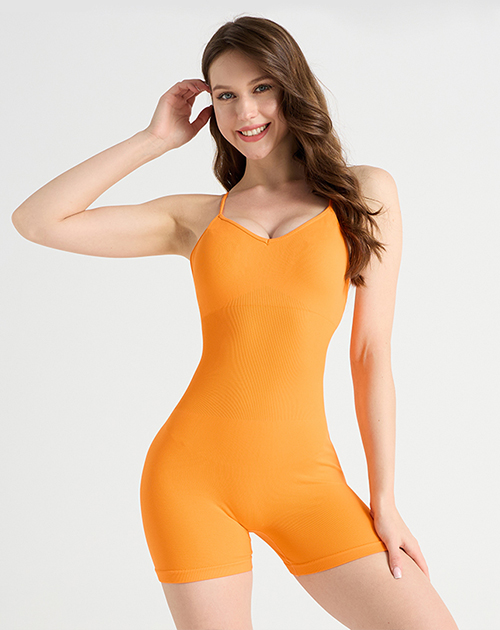
A matching yoga outfit used to be something women mainly wore to fitness classes. That is gradually changing. Walk through a shopping district or browse an online clothing store, and it is not unusual to see leggings, fitted sports tops, and coordinated activewear sets presented alongside everyday casual clothing.
The change says something about how women approach dressing. Clothing is no longer always chosen for one particular activity. A woman may attend a yoga class in the morning, spend the afternoon shopping, and meet friends later without wanting to change her entire outfit.
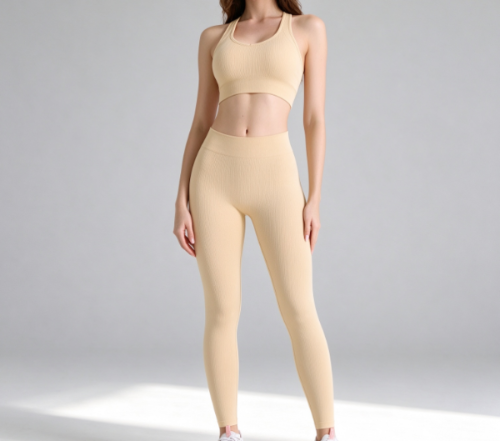
Yoga Suit for Ladies fit naturally into this lifestyle. They offer the familiar look of sportswear while leaving room for personal styling. Some women prefer simple matching sets, while others mix yoga tops with loose shirts or wear flared yoga pants with casual jackets.
For clothing manufacturers and retailers, this shift has made the category more interesting. A yoga suit is no longer judged only by how it performs during exercise. Its appearance, fabric feel, versatility, and ability to fit into an everyday wardrobe are also becoming part of the purchasing decision.
The popularity of athleisure has changed where and how activewear is sold. Sports clothing once occupied a fairly specific position in the apparel market. Now, many retailers include yoga leggings, sports bras, and matching sets in their regular fashion collections.
Part of the appeal comes from convenience. A coordinated outfit saves time when getting dressed, and its pieces can often be worn separately. A fitted yoga top may work with casual trousers, while leggings can be paired with an oversized sweatshirt or a loose cotton shirt.
There is also a noticeable change in how consumers discover these products. Social media content often presents activewear as part of a lifestyle rather than something reserved for the gym. A yoga set might appear in a morning routine video, a travel outfit post, or a casual streetwear combination.
This affects what customers expect from the product. A woman shopping for yoga clothing may pay attention to the neckline, color combination, and overall silhouette before considering its exercise-related features. Another shopper may have the opposite priorities.
Retailers are responding to these differences by offering collections that cover several wearing occasions. Instead of stocking only conventional sports bras and leggings, some are adding longer tops, relaxed pants, and softer color combinations.
The result is a category with a wider fashion identity. Yoga clothing still has a connection to fitness, but that is no longer its only selling point.
A product photograph can make almost any yoga suit look comfortable. The real difference becomes apparent when someone puts it on.
Some fabrics feel soft against the skin but lose their shape after repeated washing. Others provide plenty of stretch but may feel too heavy during a workout. These are the kinds of details that influence whether customers continue wearing a garment after the initial purchase.
For yoga leggings, stretch and recovery deserve particular attention. The material needs to move with the wearer during bending and stretching. At the same time, it should not become loose or sag around the knees and waist after regular use.
Tops bring their own considerations. A sports bra needs to stay in place without creating unnecessary pressure. Longer yoga tops appeal to women who prefer additional coverage, while crop tops are often chosen for their compact shape and sporty appearance.
Breathability can also change the experience. During exercise, clothing that holds too much heat or moisture may become uncomfortable. This is one reason fabric selection remains an important part of activewear development.
There is another issue that retailers sometimes discover only after products reach customers: the difference between a good-looking sample and a garment that performs well in daily use.
A fabric may look smooth under studio lighting but show creases or become less opaque when stretched. A waistband may appear neatly constructed but roll down during movement. These details can influence customer reviews and return requests.
| Product Detail | What Customers May Notice |
|---|---|
| Fabric texture | Softness and skin comfort |
| Stretch and recovery | How the garment behaves during movement |
| Waistband construction | Whether it stays comfortable and in place |
| Breathability | Comfort during longer activities |
| Fabric coverage | Whether the material remains opaque when stretched |
| Seam finishing | Friction and appearance during regular wear |
For buyers developing a collection, testing samples in ordinary conditions can reveal more than relying on product descriptions alone.
The traditional combination of a sports bra and leggings remains familiar, but it no longer represents the entire women's yoga wear market.
High-waisted leggings continue to attract consumers who prefer a close-fitting shape. Flared yoga pants offer a different look, with a wider lower section that makes them easier to style with casual tops and footwear. Shorts are another option, particularly for warm-weather activities.
Tops have become equally varied. Some women prefer cropped designs, while others look for longer cuts that provide more coverage. Loose yoga shirts also appeal to shoppers who do not want every part of their outfit to fit tightly against the body.
These differences create opportunities for retailers to build collections around different customer groups.
| Style | Common Market Appeal | Design Direction |
|---|---|---|
| Sports bra and leggings | Regular yoga and fitness users | Close fit and movement |
| Crop top and high-waisted pants | Younger activewear shoppers | Coordinated sporty appearance |
| Long yoga top and leggings | Consumers preferring additional coverage | Relaxed proportions |
| Flared yoga pants | Casual and athleisure customers | Everyday styling |
| Yoga shorts and fitted tops | Warm-weather activewear | Lightweight outfit combinations |
An interesting development is the growing interest in separates rather than complete sets. Some shoppers still prefer matching outfits, but others want to purchase tops and bottoms independently. This gives them room to choose different sizes, colors, and cuts.
For manufacturers, that means product compatibility deserves attention. A top should not necessarily be designed as a one-time match for a single pair of leggings. If its color and style work with several bottoms, it may have a wider place in a retail collection.
The idea sounds simple, but designing clothing for both purposes requires some thought.
A yoga suit intended for exercise may have a close fit, supportive construction, and a relatively simple appearance. These qualities are useful during movement, although some consumers may prefer a softer look when wearing the same outfit outside a fitness studio.
This is where styling becomes important.
A fitted set in black or navy can be paired with a loose jacket for an everyday outfit. Flared yoga pants may look less like traditional gym clothing when worn with a casual top. Even a simple change of footwear can make a matching set feel different.
Color is another factor. Neutral shades remain common because they work with many wardrobe combinations. Beige, brown, olive, and muted pink offer a softer appearance, while brighter shades can attract customers who enjoy more noticeable sportswear.
However, fashion appeal cannot replace practical construction. A pair of leggings that becomes uncomfortable after sitting for an extended period may not suit everyday use. Similarly, a loose top that shifts constantly during exercise may not satisfy someone buying it for yoga classes.
Manufacturers are therefore exploring designs that sit between conventional fitness clothing and casual apparel. The aim is not necessarily to make every garment suitable for every situation. It is to identify which functions can reasonably be combined without compromising the wearing experience.
This distinction is important for product positioning. A performance-focused collection and a casual yoga-inspired collection may share similar visual elements, but their construction requirements can be quite different.
Some product features receive little attention in advertisements but can make a difference after purchase.
Take the waistband of a pair of leggings. Its shape, elasticity, and construction influence how the garment feels when the wearer bends, sits, or stretches. A waistband that folds or moves out of place can quickly become frustrating.
Pockets are another example. They are not necessary for every yoga suit, but some customers appreciate having a place for small personal items. Their position and size need to fit the garment rather than interfere with its appearance.
Seams, hems, and straps also deserve attention. Poorly finished areas may create friction or affect the garment's appearance after repeated washing. For fitted tops, strap placement can influence both support and comfort.
Some designs include additional features such as removable padding, mesh panels, or textured fabric sections. These details can help distinguish products within a crowded market, although adding features does not automatically make a garment more useful.
There is a commercial consideration here as well. Every additional design element may affect material selection, production steps, and quality inspection. Retailers need to decide whether a feature has a clear purpose for their customers before including it in a collection.
A simple yoga suit with a well-considered cut may appeal to a wider group than a design filled with decorative details. On the other hand, a distinctive color combination or unusual silhouette may be useful for a fashion-oriented range.
The choice depends on the collection rather than a universal design rule.
Buying yoga clothing online is convenient, but product selection can become complicated when photographs provide most of the available information. Buyers need to look beyond the overall appearance and consider how the garment is likely to be worn.
Sizing is a common concern. Different manufacturers may use different size references, so a medium from one supplier does not necessarily fit like a medium from another. Actual garment measurements are more useful when comparing products.
Coverage is equally relevant. Light-colored leggings may look attractive in photographs, but buyers should check how the fabric behaves when stretched. The same applies to fitted tops, particularly when they are intended for exercise.
Price is part of the decision, but it does not explain everything about a product. Fabric quality, construction, durability, and the intended customer group all influence the value of a purchase.
For retailers, there is also the question of stock planning. Carrying too many colors or styles can make inventory management difficult. A smaller collection of coordinated products may be easier to present and maintain, especially for businesses testing a new activewear category.
Women purchasing for personal use can approach the decision from a different angle. Someone who practices yoga several times a week may prioritize fit and fabric performance. Someone who mainly wears activewear for casual activities may place greater importance on color and styling.
Neither approach is unusual. The important thing is to choose a garment that matches its intended use.
The growing overlap between sportswear and everyday fashion has affected product development across the activewear industry. Manufacturers are no longer working only with traditional combinations of sports bras and leggings. Their collections may include flared pants, loose tops, matching sets, and separate pieces designed to work together.
Color planning has also become part of collection development. Instead of producing unrelated shades for individual garments, some clothing businesses are building coordinated color ranges. This allows retailers to offer several outfit combinations without making every product look identical.
Customization is another area of interest in wholesale purchasing. Buyers may discuss fabric choices, garment cuts, colors, labels, prints, and packaging with manufacturers. The available options depend on production capabilities and order requirements.
Sample development usually plays an important role in this process. A design may look straightforward on a drawing but behave differently when made with actual fabric. Adjustments to the waistband, neckline, or garment length can affect the overall appearance and fit.
Production consistency matters just as much. A sample that meets expectations does not automatically guarantee that every garment in a bulk order will have the same measurements, stitching, and color appearance. Buyers need to understand how suppliers manage production checks and handle quality issues.
There is also a shift in how manufacturers think about their customers. A supplier working with specialist sports retailers may receive different requests from one serving fashion boutiques or online activewear stores. Understanding these differences can influence fabric sourcing, product styling, and the range of customization offered.
For businesses entering the yoga wear market, this makes supplier communication an important part of product development. Clear discussions about the intended customer, wearing occasion, and garment details can help reduce misunderstandings before production begins.
The market is moving in several directions at once. Some consumers remain interested in practical workout clothing, while others are drawn to relaxed silhouettes and coordinated everyday outfits. Manufacturers are responding with collections that bring these preferences together through different fabrics, cuts, and styling options.
Copyright © Jinhua Yongxing Knitting Co., Ltd.
 Seamless Yoga Sets


 English
 русский
 Español