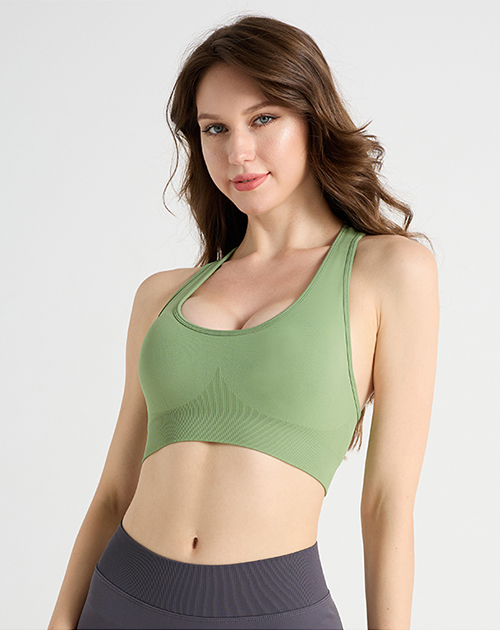
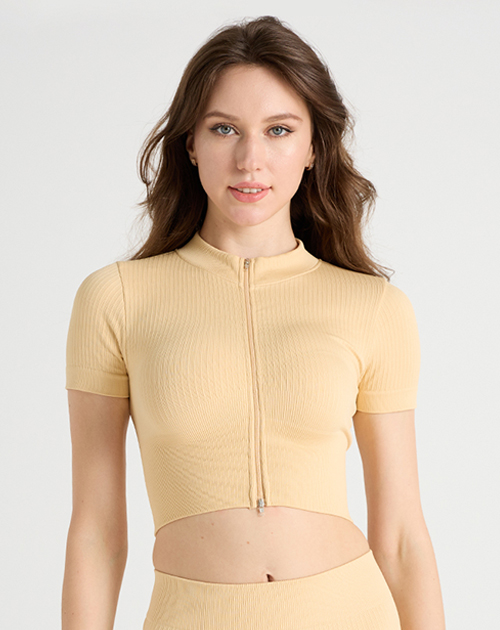
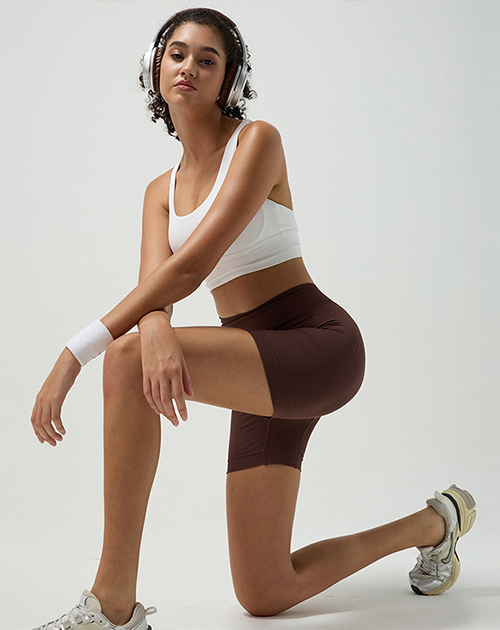
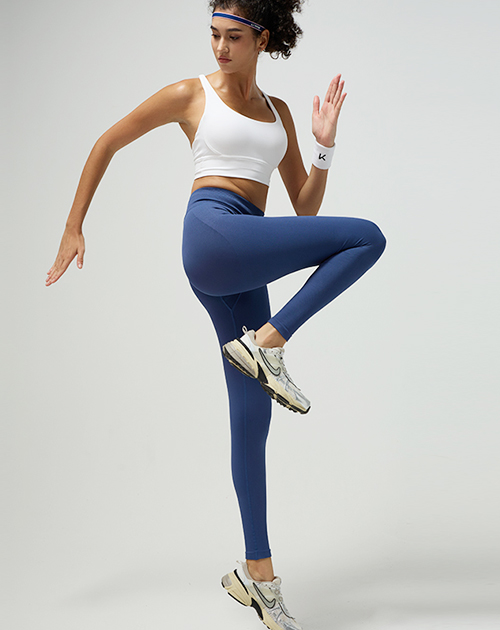
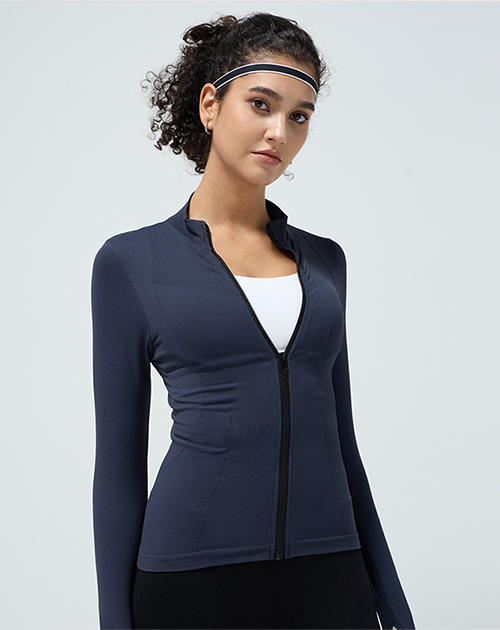
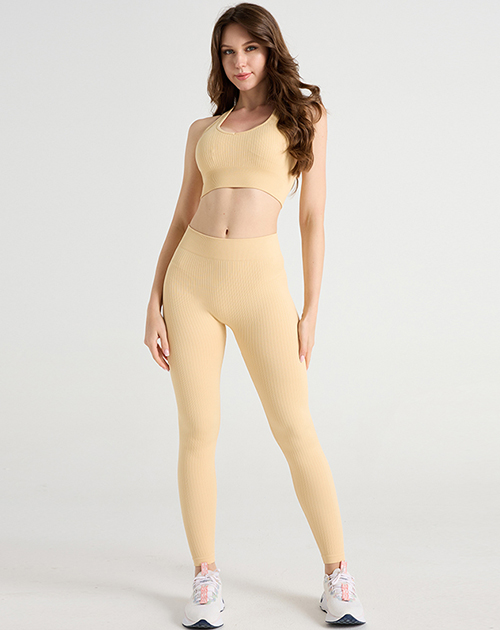
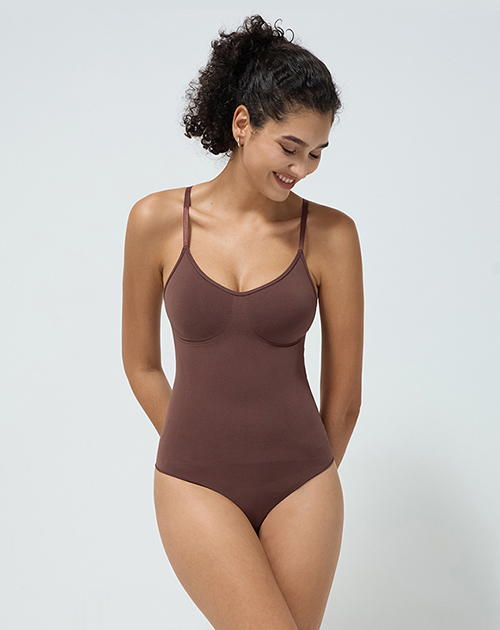
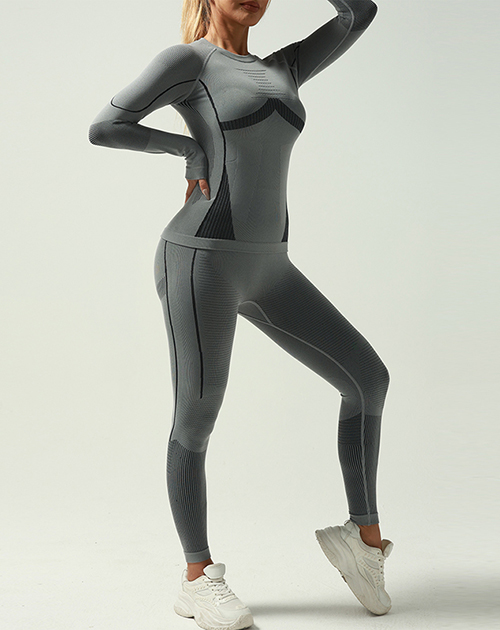
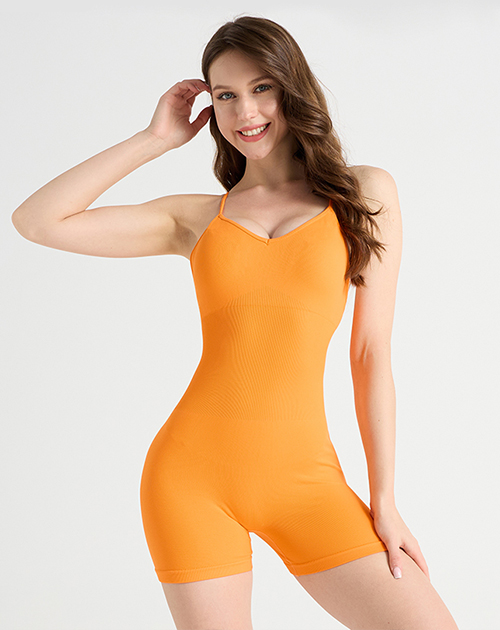
The fitness and fashion industries are changing in ways that mirror the evolving priorities of people who stay active. As more individuals pay closer attention to the impact of their everyday decisions—from what they eat to what they wear while exercising—a newer segment of athletic clothing has developed that brings together solid performance and greater responsibility. Eco-friendly seamless activewear stands as an example of this change, giving gym-goers and those who enjoy outdoor activities a way to support their fitness aims while also considering their environmental values. This development in workout apparel moves past short-lived trends and connects to broader reflections about how routine choices fit into larger patterns of living.
The athletic apparel industry has experienced noticeable shifts in recent years, as more people seek products that combine performance with environmental responsibility. Standard production methods often require large amounts of water, chemical processing, and generate considerable material waste, leading many brands to pursue options that lower these effects while keeping the strength and practicality needed for active use.
Seamless construction plays an important part in this change by cutting down on excess fabric from pattern cutting and limiting production leftovers. Garments are formed from continuous lengths of material, which reduces the number of seams and creates smoother surfaces that are less likely to cause irritation during movement. This method benefits both the wearer through improved comfort and the environment through more efficient use of resources. The fabrics used in these garments frequently include recycled fibers, organic sources, or plant-derived materials that can break down more naturally once their useful period ends, supporting ideas of circular material use.
Increased public concern about climate issues and resource use has driven greater interest in clothing that aligns with personal environmental values. Consumers now tend to look more closely at brand practices, wanting clear details on material sources, production conditions, and options for disposal or recycling. This attention encourages companies to put verifiable sustainability measures in place and share their environmental efforts openly, building a market where responsibility holds similar importance to appearance and function.
Choosing the right moment to buy can influence both the price you pay and your overall satisfaction with sustainable athletic wear. Being aware of typical market patterns allows for better decisions that support responsible production while meeting practical needs.
Athletic clothing retailers generally follow regular cycles that offer predictable opportunities:
Interest in fitness purchases tends to rise at particular times. The period after winter holidays commonly sees people setting new wellness goals, leading to competitive offerings from brands. Warmer months spark demand for lightweight, breathable items suited to outdoor exercise, while cooler months direct attention toward layering pieces and cold-weather options.
Sustainable fashion efforts sometimes align with environmental awareness dates, increasing visibility for responsible production practices. These moments can highlight the connection between clothing choices and ecological effects, occasionally overlapping with promotional activity.
Knowing how sustainable athletic wear progresses from design to availability helps identify better purchasing times. Environmentally focused clothing often involves longer timelines due to careful material selection and ethical production steps. Brands generally release new collections at set intervals, making previous items available at adjusted prices as stock turns over.
Choosing sustainable workout clothing calls for reviewing several related factors that affect both immediate usability and lasting value.
Various sustainable materials provide different properties. Independent certifications offer confirmation of sustainability claims, making it easier to separate authentic efforts from surface-level statements. Look for open details about water consumption, chemical handling, and carbon reduction steps across the production process.
| Material Type | Key Benefits | Considerations |
|---|---|---|
| Recycled Synthetic Fibers | Diverts waste from landfills, maintains performance qualities | May still release microfibers during washing |
| Organic Natural Fibers | Grown without harmful pesticides, biodegradable | Can require more careful maintenance |
| Plant-Based Innovations | Renewable resources, lower environmental footprint | Availability may be limited |
| Blended Compositions | Combines benefits of multiple fiber types | Recycling complexity varies |
Choosing brands with genuine commitment to responsible practices extends benefits beyond fabric choices. Consider these elements:
Direct inquiries through customer service or available materials can show how seriously a brand pursues these commitments.
Sustainable athletic wear can deliver strong performance while prioritizing environmental responsibility. Effective pieces support active movement through:
Seamless designs further improve these qualities by removing potential irritation zones and allowing the fabric to move fluidly with the body. Without conventional seams, there are fewer places for sweat to collect or for rubbing to occur during repeated activity.
When considering value, sustainable options often carry a higher upfront price because their production accounts for costs that conventional methods frequently overlook. A more useful way to evaluate them involves thinking about durability and longevity rather than initial cost alone. Well-made sustainable garments tend to hold their fit, appearance, and function through extended use and repeated washing. Over time, items that last for years of regular wear usually prove more cost-effective than replacing lower-quality versions frequently, while also contributing to reduced overall consumption.
Ongoing developments continue to advance the field of sustainable athletic wear. New fabric approaches draw from diverse sources to create high-performing materials that might otherwise go unused. Some newer compositions are designed to break down more naturally at the end of their life. Improved production methods help use resources more efficiently, and digital processes reduce unnecessary prototyping and fabric waste.
Many forward-thinking brands now focus on the full lifecycle of their products, creating items that can be recycled, returned through take-back initiatives, or repaired to extend usability. These efforts aim to shift away from single-use patterns toward systems where materials stay in circulation longer.
The category is growing as more companies enter the space, bringing varied ideas about materials, design, and operations. Increased competition encourages broader improvements in transparency and options for consumers.
Challenges remain in the sustainable athletic wear space. Sourcing materials that combine genuine sustainability with reliable athletic performance can be difficult, as supply chains for alternative fibers are still developing. Confirming responsible practices across global networks requires significant effort, which can be especially demanding for smaller brands.
The costs tied to ethical labor, environmental standards, and premium inputs often result in higher prices, though these tend to ease as production scales and techniques improve. Shoppers can still engage by choosing versatile, longer-lasting pieces over frequent purchases of less durable items.
It can also be hard for consumers to distinguish truly sustainable products from those with overstated claims. Learning to evaluate certifications, materials, and brand practices takes time. In many areas, especially outside major cities, finding sustainable athletic wear in stores remains limited, so online purchasing is common—though this can introduce uncertainties around fit and additional shipping considerations. Some brands help address these issues with thorough size guides and accommodating policies.
When you choose well-made sustainable athletic wear, caring for it properly helps you enjoy its full benefits over time while keeping your environmental footprint smaller.
Regular, attentive care maintains both how well the garments perform and how they look:
These routines help each item stay in good condition longer and mean you replace clothing less often, which contributes to more thoughtful overall use.
Sustainable athletic wear is available at different price points, so there are suitable choices for various budgets:
More affordable lines may include selected sustainable materials or methods while remaining budget-friendly. Mid-tier brands commonly offer a balanced mix of meaningful sustainability features and fair pricing. Higher-end options generally feature more sophisticated fabrics, detailed certifications, and broader environmental efforts. The best fit for you depends on how often you use the clothing, the performance level you need, and your available budget.
Seeing athletic wear as long-term pieces rather than short-lived items supports more sustainable buying habits. Choosing flexible garments that suit a range of activities and weather conditions lets you rely on fewer items in total. Designs that stay timeless rather than trend-driven continue to feel appropriate and useful year after year. This method creates a practical wardrobe that meets your needs reliably without requiring frequent new purchases, lowering both ongoing costs and environmental effects in the long run.
The expanding availability of sustainable athletic wear indicates wider awareness that personal decisions, when combined, play a role in shaping larger environmental patterns. While any single choice does not address every concern, consistently selecting items produced with responsible practices provides steady encouragement for brands and the industry to keep improving. Eco-friendly seamless activewear serves as a practical starting point for those who stay active and want their exercise routines to reflect environmental considerations, delivering dependable function alongside advantages for both the user and the wider world.
Knowing when and how to choose these products lets you select items that match what matters most to you. Whether your main interest lies in environmental considerations, a preference for better quality, or a combination of both, the sustainable athletic wear market now includes options that were much less common before. With continuing improvements in materials and production methods, and as additional brands adopt ideas like circular systems, these kinds of choices are likely to become simpler and more widely available. The ongoing shift in athletic clothing shows how steady interest from consumers can help encourage real progress in the industry, illustrating that the clothing chosen for exercise can play a small but meaningful part in wider discussions about sustainability, accountability, and the kind of future shaped by ordinary decisions. By making these purchases with care—balancing what you need right now with longer-term effects—you take an active role in supporting more sustainable practices while still pursuing your fitness objectives.
Copyright © Jinhua Yongxing Knitting Co., Ltd.
 Seamless Yoga Sets


 English
 русский
 Español