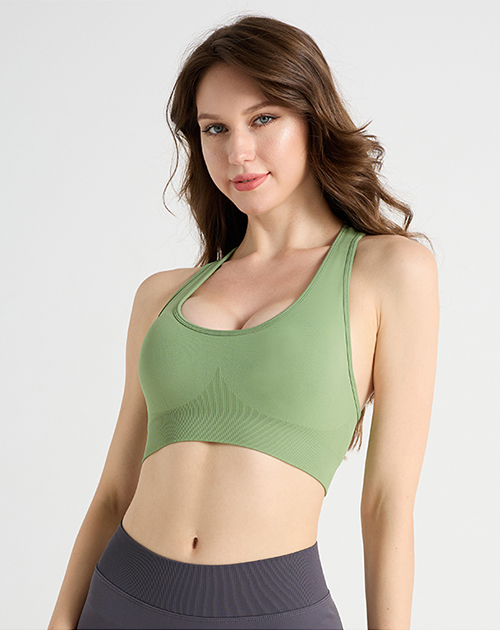
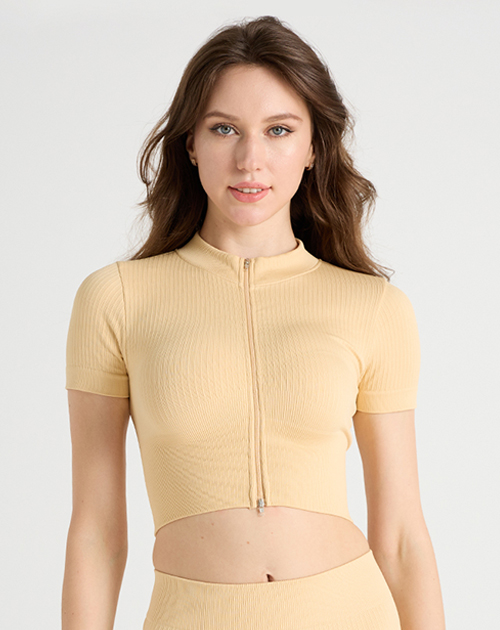
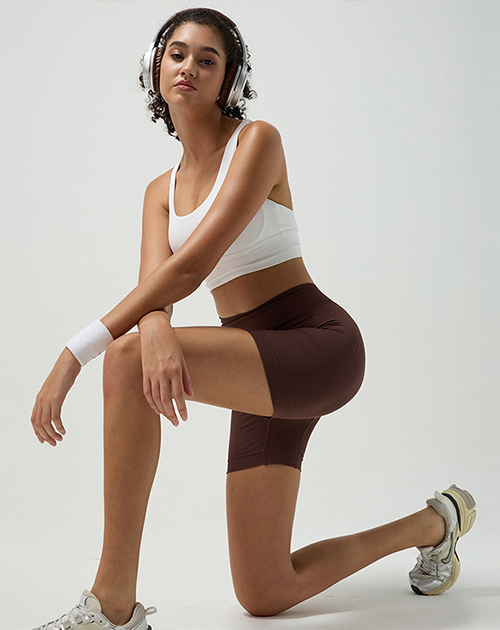
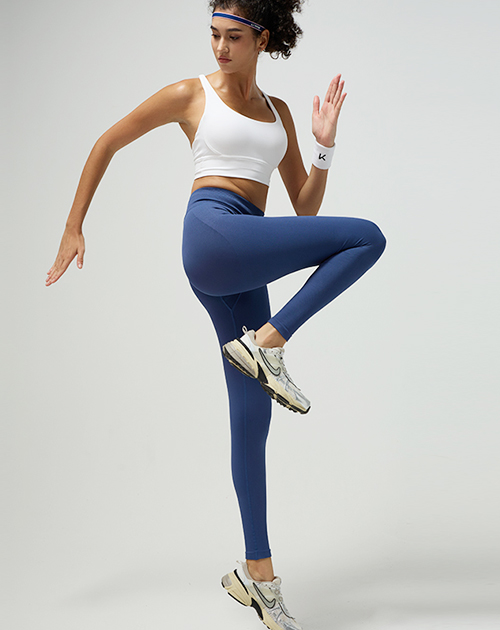
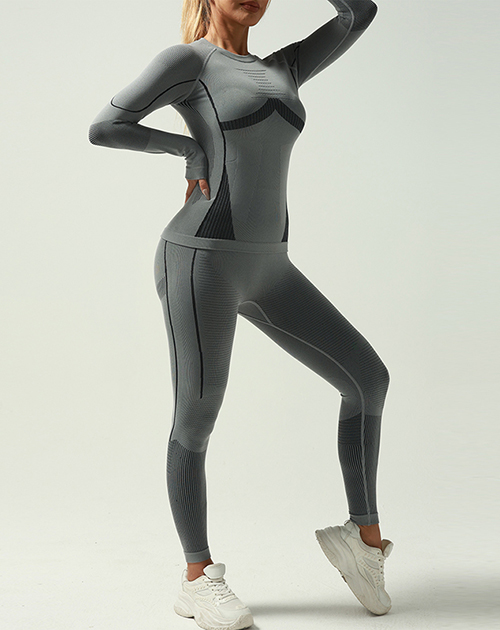
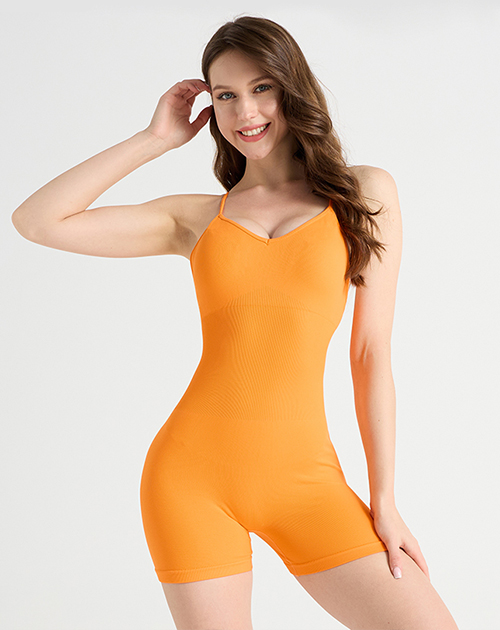
You already know the feeling. You pull on a sports bra before a workout, and within ten minutes the underwire is pressing into your ribs, or a seam is rubbing a patch of skin raw under your arm. By the end of the session, your focus is gone — not because the workout was tough, but because you spent half of it adjusting, pulling, and quietly dreading the red marks you will find when you get home. For women with a fuller chest, this is not the occasional bad experience. It is the pattern. That pattern is a big part of why Seamless Sports Bras for Large Bust have been getting serious attention lately. They are built differently, and for this particular fit challenge, that difference shows up quickly.
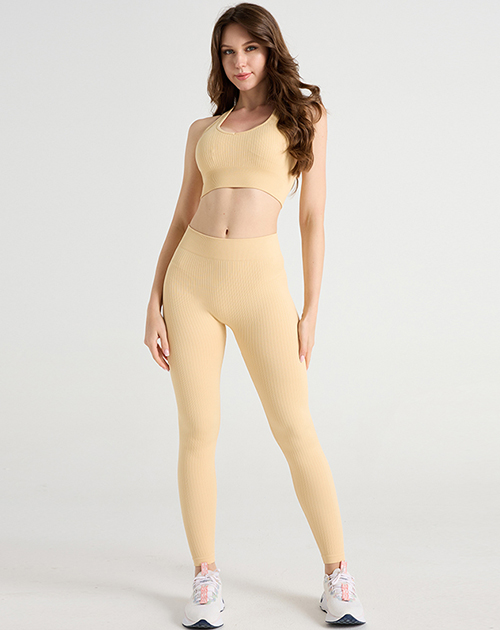
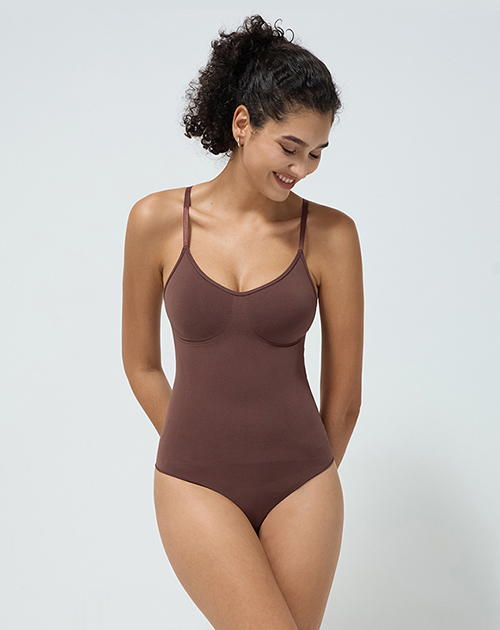
Put simply, it is a bra without seams running through the body of the garment. Where a traditional sports bra is built from multiple cut fabric panels stitched together, a seamless version is produced as one continuous knitted piece. There are no raised thread lines to press into skin, no overlapping edges, no points where multiple layers of fabric meet and create friction.
The construction usually includes:
None of this is complicated on paper, but the effect on a larger bust during actual activity is noticeable.
| Feature | Traditional Sports Bra | Seamless Sports Bra |
|---|---|---|
| How it is built | Separate panels sewn together | Knitted or bonded as one piece |
| Contact with skin | Seam edges press against skin under movement | Smooth surface, more even pressure |
| How it moves with you | Structured and somewhat rigid | Stretches and recovers with the body |
| Where the support comes from | Underwire and heavy banding | Zoned compression through the knit |
| Marks after wearing | Common on fuller busts | Much less frequent |
| Air circulation | Seam overlaps can block airflow | More consistent across the surface |
| How it holds up over time | Seam areas tend to weaken first | No seam stress points to wear out |
For a smaller bust, some of these differences are minor. For a larger one, they tend to matter quite a bit more, because every pressure point is working harder.
Here is what actually happens. The seams on a conventional sports bra are not just sitting against your skin — they are moving against it, repeatedly, for the entire session. Running, jumping, cycling, even a fast-paced walk creates enough friction at those contact points to irritate the skin, restrict blood flow in small areas, and leave the kind of marks that linger for hours. On a larger bust, the fabric is under more tension to begin with, so each seam does more damage per movement than it would on a smaller frame.
Removing those edges does not just improve comfort in an abstract sense. It removes the actual source of the friction, which is a different thing entirely.
A lot of women with larger busts assume that a wire is non-negotiable. It makes sense — conventional wisdom says fuller figures need more structure, and structure means stiffness. Seamless construction works differently.
Support in a well-made seamless bra comes from:
It is a different mechanism, and it moves with the body rather than fighting it.
Not all of them, and this is worth being specific about.
A lightweight seamless bra designed for yoga is not going to cut it for a 5K run — and for a larger bust, choosing the wrong impact rating has real consequences. Here is a rough breakdown:
A seamless bra that handles a yoga class well on a smaller frame may leave a fuller bust unsupported the moment someone picks up the pace.
Size is the starting point, but it is not the whole story.
Before buying, it is worth checking:
Getting these right upfront saves the frustration of discovering a fit problem twenty minutes into a session.
It is a fair question. Some women worry that a single-knit structure without internal panels means less airflow, but the reality tends to go the other way.
Traditional sports bras often have multiple fabric layers meeting at seam allowances — those overlaps can slow air movement through the garment. A seamless bra, especially one in a single-layer knit, removes those interruptions. Air moves through the fabric more consistently.
That said, a few things influence how breathable any seamless bra actually is:
For warmer climates or harder sessions, styles that pair a structured cup with a more open-knit back tend to handle both temperature and support without giving up either.
The yarns used in a seamless bra shape how it performs — and how long it stays that way.
Common materials and what they do:
Knowing the fiber content of a bra gives a clearer picture of how it will handle sweat, washing, and long-term use — none of which shows up from looking at a photo.
For brands and buyers working on the sourcing side, the manufacturing process matters as much as the design spec. Jinhua Yongxing Knitting Co., Ltd. works in seamless knitted garment production, with a focus that includes sports bras built across extended size ranges and designed for varying activity levels. Their work covers the technical side of seamless circular knitting and fabric performance, helping brands move from concept to a finished garment that holds up in real use. Whether the end wearer is training hard five days a week or just needs something that fits without fighting her, a well-manufactured seamless foundation makes that possible. For brands looking to develop or expand a seamless activewear line, connecting with a manufacturer that understands both the construction and the functional demands of this category is a reasonable place to start.
Copyright © Jinhua Yongxing Knitting Co., Ltd.
 Seamless Yoga Sets


 English
 русский
 Español